Online Reporter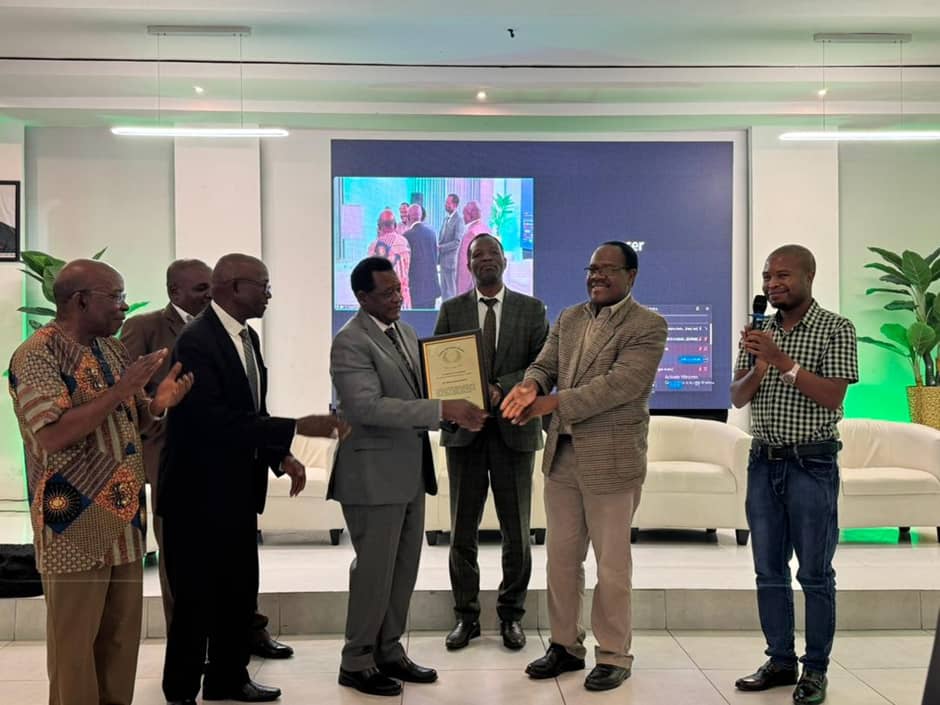
Sifelani Tsiko
Fact Check Editor
Veteran agronomist and crop biodiversity expert, Mr Andrew Mushita (67) has been honoured by the Zimbabwe Plant Breeders Association (ZPBA) for his outstanding work in research and development initiatives on seed systems that have paved the way for food security, agricultural resilience and conservation of indigenous seed varieties.
Mr Mushita was recently presented with a ZPBA Honorary Life Award at an annual symposium for plant breeders.
His contributions, including the establishment of over 30 community seed banks to safeguard indigenous crop varieties, have empowered rural communities, influenced institutional practices, and advanced sustainable and equitable agricultural development.
“My journey has been guided by a simple belief that food security begins with seed security,” said Mr Mushita.
“Over the years, I have witnessed how indigenous seeds of sorghum, millets, African peas, bambara groundnuts, and many others have sustained communities through droughts, economic hardships, and social change.
“These seeds are more than genetic material; they are cultural heritage, ecological anchors, and instruments of resilience.”
In his work spanning more than four decades and through the Community Technology Development Organisation (CTDO) where he is a founding principal, Mr Mushita promoted the conservation and sustainable utilisation of traditional grains, mainly sorghum and millet, through community seed banks and seed fairs.
All this helped farmer-assisted mass selection of crop materials with novel traits, mainly drought tolerance, early maturity, and nutrient density.
“Andrew Mushita has influenced farming systems nationally, regionally and internationally,” reads part of the citation.
“His policy and advocacy work significantly contributed to the drafting of the traditional grain policy, ultimately leading to the gazetting of producer prices for sorghum and pearl millet, currently equated to maize.”
Through his work, consumer demand and industrial utilisation for traditional grains has increased, which has allowed for further research and increased breeding efforts to meet the needs of various consumers.
In the 1980s, Mr Mushita worked on community-based initiatives to empower rural farmers through education, technical support, and sustainable farming practices.
Under his leadership, CTDO pioneered participatory seed conservation, established farmer-managed community seed banks and contributed to the preservation of traditional crop varieties in Zimbabwe, Malawi, Lesotho, Namibia, Botswana, and Kenya.
The work promoted farmer-led breeding initiatives and policies that protect farmers’ rights to save, use, exchange, and sell their seeds.
Mr Mushita also played a key role in influencing Zimbabwe’s seed policy and contributed to the drafting of regional protocols protecting farmer-managed seed systems, farmers’ rights and promoting seed diversity.
In the past, he has won several global awards, including the 2009 UNDP Equator Prize for innovative grassroots initiatives.