Online Reporter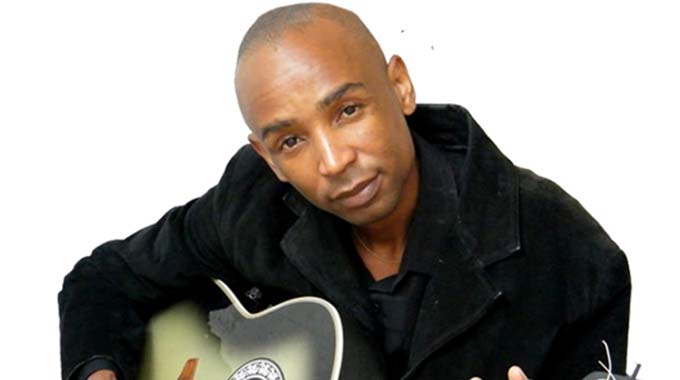
Getrude Chigerwe
Features Correspondent
ARTIFICIAL intelligence has moved beyond theory in music as it is actively transforming how songs are written, produced, marketed and discovered.
This is forcing artistes and industry leaders to confront a hard question: How should technology serve creativity without undermining the human experience that gives music its meaning?
For many musicians, AI’s promise is both practical and creative. Tools that generate ideas, clean up sound, analyse listener behaviour, and support promotion can lower barriers for independent artistes who operate without the budgets of big labels.
In that sense, AI offers something Zimbabwe’s music industry has long needed: wider access to production capacity, market intelligence and visibility in an increasingly digital marketplace.
Amid the prevailing optimism, a deeper concern endures: “Technological change is moving faster than the rules, ethics and artistic norms that have historically governed music as a human form of expression”.
The same systems that open new creative doors also destabilise long-standing ethics about ownership and originality.
Who owns an AI-generated song? Who is protected when a voice, style or composition is mimicked?
And how should royalties be handled when software plays a substantial role in the creative process? With cloned vocals and machine-driven composition on the rise, copyright has become a daily challenge for creators.
In Zimbabwe, where music does more than entertain, carrying memory, identity, commentary and community, the AI shift feels especially consequential.
From gospel to urban grooves, sungura to contemporary fusion, local music is rooted in lived experience and cultural texture. That is precisely why many artistes insist AI must remain a tool rather than a substitute.
It may assist the process, but it cannot fully reproduce the emotional depth and social context that give a song its depth.
The economics of the industry are shifting as well. Recommendation engines, streaming platforms and automated marketing systems increasingly determine which songs travel and which artists are discovered.
For Zimbabwean musicians, that creates a double-edged reality: AI can help local talent reach audiences across borders, but it can also intensify competition in a crowded global ecosystem where visibility is often governed by ambiguous digital systems rather than talent alone.
The issue became more pronounced during a recent United States Embassy forum in Harare on AI’s role in the music industry, where Zimbabwean and American artistes, producers, and administrators gathered to address questions of royalties, copyright, authenticity, award eligibility, and professional standards.
The dialogue explored the urgency of deciding how the technology should be governed before it begins to govern the industry itself. Legendary guitarist and producer Clive Mono Mukundu argued that musicians should continue developing their natural gifts, instead of depending entirely on software.
“Music comes from the soul. AI should remain a collaborative tool, not a replacement for human creativity,” he said.
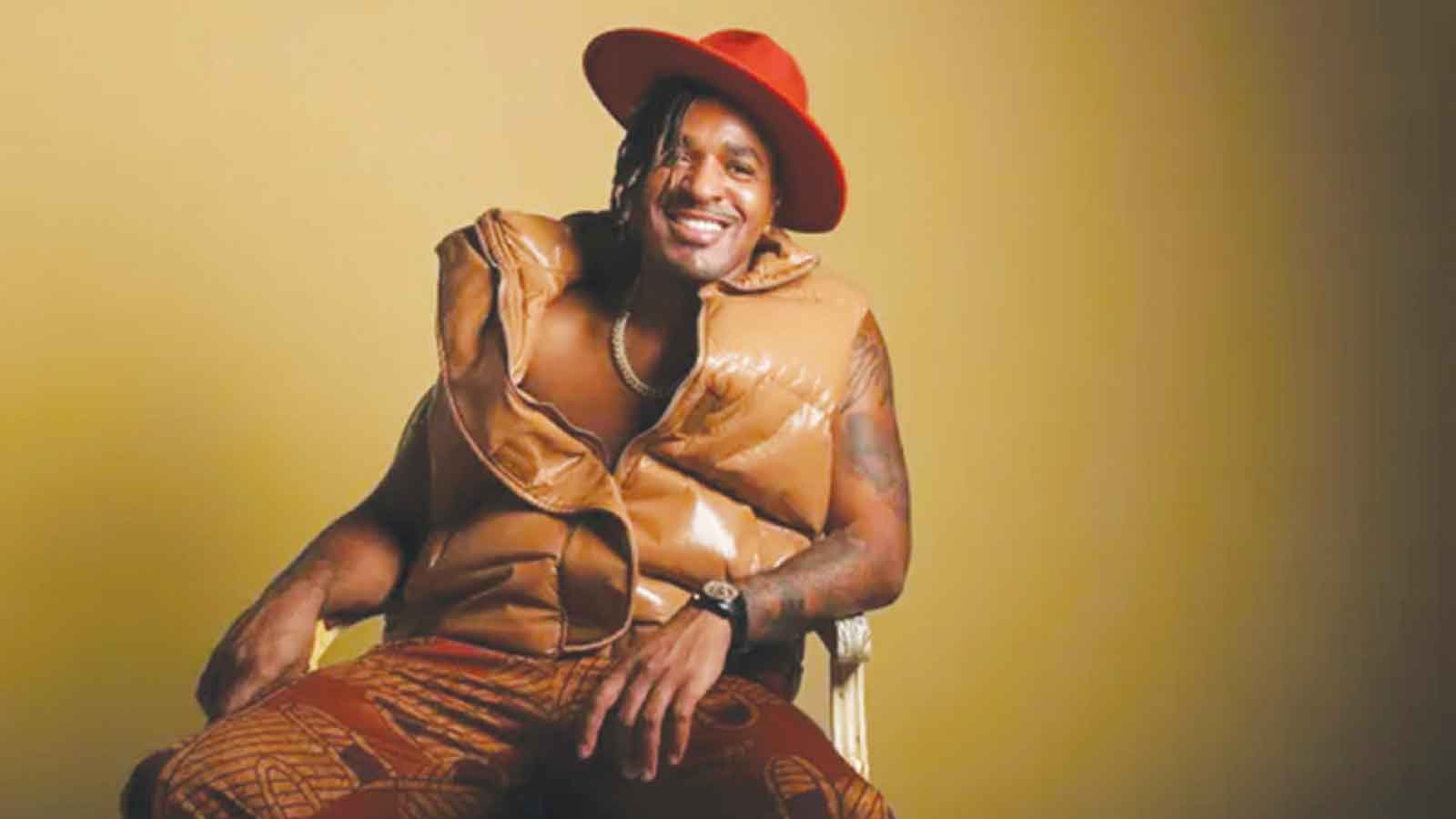
Grammy Award-winning American artiste Matt B pushed the conversation further by linking Zimbabwe’s concerns to a broader international shift toward human-first creative safeguards.
He emphasised the need for regulation of AI to ensure that existing laws and standards safeguarding artistes remain intact, cautioning that unchecked automation could erode the authenticity that gives music its value.
His intervention strengthened the article’s central point: the AI debate is no longer about whether technology belongs in music, but about whether policy can keep pace with innovation before creative labour is devalued.
Taken together, those perspectives frame AI not as an enemy of music, but as a force that demands boundaries, intention and discernment.
The emerging consensus is that technology can expand creativity and efficiency, but only if the industry refuses to confuse convenience with authorship or innovation with artistic value.
The discussion also highlighted a less dramatic, but equally important reality that AI is already changing the administrative side of the music business. From content management to promotion and audience targeting, digital tools can improve efficiency for artistes and managers who understand how to use them well.
That shifts the challenge from simple acceptance or rejection of AI to a more practical question of literacy, strategy and control. For creatives, the issue is not whether to engage with the tools, but how to use them without surrendering the originality that makes their work distinct.
From there, the conversation turned to policy, literacy and readiness. Speakers emphasised the need for stronger frameworks around intellectual property, fair compensation and ethical use, as well as better digital education for artistes, producers and managers navigating this new terrain.
If AI is already reshaping the business of music, then preparedness may matter just as much as talent. Without clear rules and shared understanding, the benefits of innovation could easily be captured by platforms and intermediaries rather than by the creators whose work sustains the industry.
Zimbabwe’s music industry is not being asked to choose between tradition and technology.
It is challenging to decide how innovation can serve culture without eroding it. That is a more demanding task than simply embracing the latest tool, but it is also the work that will define the industry’s next chapter, not only in terms of commercial survival, but in terms of cultural integrity.
Another insight from the discussion is likely to grow more important as AI tools become more sophisticated. That is, audiences may become even more drawn to what feels unmistakably human.
While listeners often care most about whether a song is moving, relatable and memorable, the rise of synthetic production could increase the premium on live performance, emotional truth and genuine artistic identity.
In that sense, AI may not eliminate the human element in music, but it may end up making it more valuable.
Globally, artificial intelligence is forcing the music industry into a defining argument about power, authorship and value. It is not only changing how music is created, distributed, marketed and consumed, but it is also exposing gaps in regulation, copyright law, compensation models and cultural protection.
Around the world, governments, recording bodies, technology companies and artistes are now confronting the same fundamental task: to ensure that innovation does not outpace accountability.
For emerging markets such as Zimbabwe, the stakes are even higher, because the debate is not only about commercial adaptation, but whether cultural identity, artistic ownership and human storytelling will remain protected in a rapidly automated era.
Therefore, the global call to action is: build frameworks that reward human creativity, regulate AI responsibly, expand digital literacy, and ensure that the future of music remains technologically advanced without becoming culturally hollow.