Online Reporter
John Masuku
Today as over 190 countries celebrate World Radio Day, designated by UNESCO to be commemorated every year on February 13, the focus is on the theme, “Radio and Artificial Intelligence” (AI) and the accompanying slogan says “AI is a tool, not a voice”. Radio broadcasters the world over are increasingly embracing the use of Artificial Intelligence in their programming, news gathering, presentation techniques and overall station management. The 2026 theme is designed to encourage discussion around innovation while also addressing questions of editorial responsibility, transparency and ethics. In reinforcing this year’s observance UNESCO emphasises the following critical point related to radio and AI. “Today Artificial Intelligence opens a new chapter: not just for innovation, but for deepening their bond with listeners.
When used ethically and responsibly to support professional judgment, creativity and public service values, AI can become an ally in strengthening audience trust. Technology alone does not build trust. Radio broadcasters do.” In catching up with the times, radio stations in Zimbabwe have carefully introduced AI into their daily work in the past few years.
The Zimpapers Radio Broadcasting Division is moving from simple automation to advanced, hyper-personalised and interactive broadcasting. “The four Zimpapers radio stations StarFM, Capitalk100.4FM, DiamondFM and PlatinumFM are starting to leverage Artificial Intelligence to enhance productivity, reduce costs and create more engaging content. “Our approach is that AI be primarily used to assist the vast human talent that we have, rather than replace it; enabling stations to operate twenty four hours every day,” explained Comfort Mbofana, the division’s general manager.
Artificial Intelligence comes with change and therefore radio practitioners need to be passionate with what they do, so that they move together in transforming the medium, observes Davison Magaya a radio engineer at the Zimbabwe Broadcasting Corporation. Big, overcrowded studios with mixers, turntables, reel-to-reel tape machines, cassette and cartridge players, have long been replaced by compact equipment on one work station which with the use of artificial intelligence fosters a lot of on-air creativity. Added Magaya: “Although not yet at full throttle on our stations we have run some night programming on artificial intelligence since 2022. “The system works very well and we are at over 60 per regarding our successful usage rate.”
Recently, President Mnangagwa, represented by former Minister of Information, Publicity and Broadcasting Services Dr Jenfan Muswere, commissioned new state-of-the-art equipment at Montrose Studios in Bulawayo as part of the Government’s effort to fully digitise the whole broadcasting sector in Zimbabwe under the ZimDigital project.
The revamped studios in the “City of Kings and Queens” as the country’s second capital is known, will use AI in most productions as it is destined to be a hub of audio and video artistic works. Great Zimbabwe University campus radio station in Masvingo manages presentations during specific periods when presenters, who are mainly journalism and media studies students, are not available.
According to the director Dr Golden Maunganidze the station’s AI presenter Kudzy takes over the shows after regular working hours. He believes that the combination of AI technology with human expertise and knowledge contributes towards a more captivating and engaging radio experience.
Dr Maunganidze believes that it is very critical that college and university journalism curricula include training in AI right from the beginning so that the students are already familiar with AI tools and their usage when they go for internships and eventual employment at various radio stations. Mlondolozi Ndlovu a media trainer who teaches radio production at the Christian College of Southern Africa (CCOSA) concurs.
“The benefits of AI in radio production include enhanced accessibility. It can lead to improved audio quality, supporting day-to-day tasks like transcriptions, translation and helps in personalising content delivery and increases radio’s inclusivity to cater for all sections of society.” Ndlovu adds that AI frees broadcasters in order to focus on high level creative work instead of mundane tasks and helps in verifying information while detecting falsehoods to ensure news and information credibility.
“Most importantly” he concludes that “AI helps in creating deeper connections for radio stations by use of algorithms in understanding that which broadcasters and listeners prefer while in terms of promoting sustainability it has helped radio stations to reduce costs, increase their AI fast becoming radio’s all-round enabler John Masuku reach and adapt to different technological changes.” In Nairobi, Kenya Mtaani community radio station which is well-known for promoting youth empowerment, gender equality and peace building in crowded environments, AI has helped them to improve creativity in refining news items, managing programme schedules and interacting with listeners and clients.
“We use AI-powered chatbots to offer real time customer support and to enhance client engagement. It is also helpful in sustainability and digital growth as a strategy to inform our decision-making regarding regular feedback which also gives us effective online presence,” said Kelvin Kangweso, the station manager. In its ethical framework for artificial intelligence UNESCO encourages that voice technologies should respect human dignity, people’s consent to be recorded, transparency, and human oversight, and must never be used to deceive or exploit. It further states that voice is more than sound: it is identity, and identity is a human right.
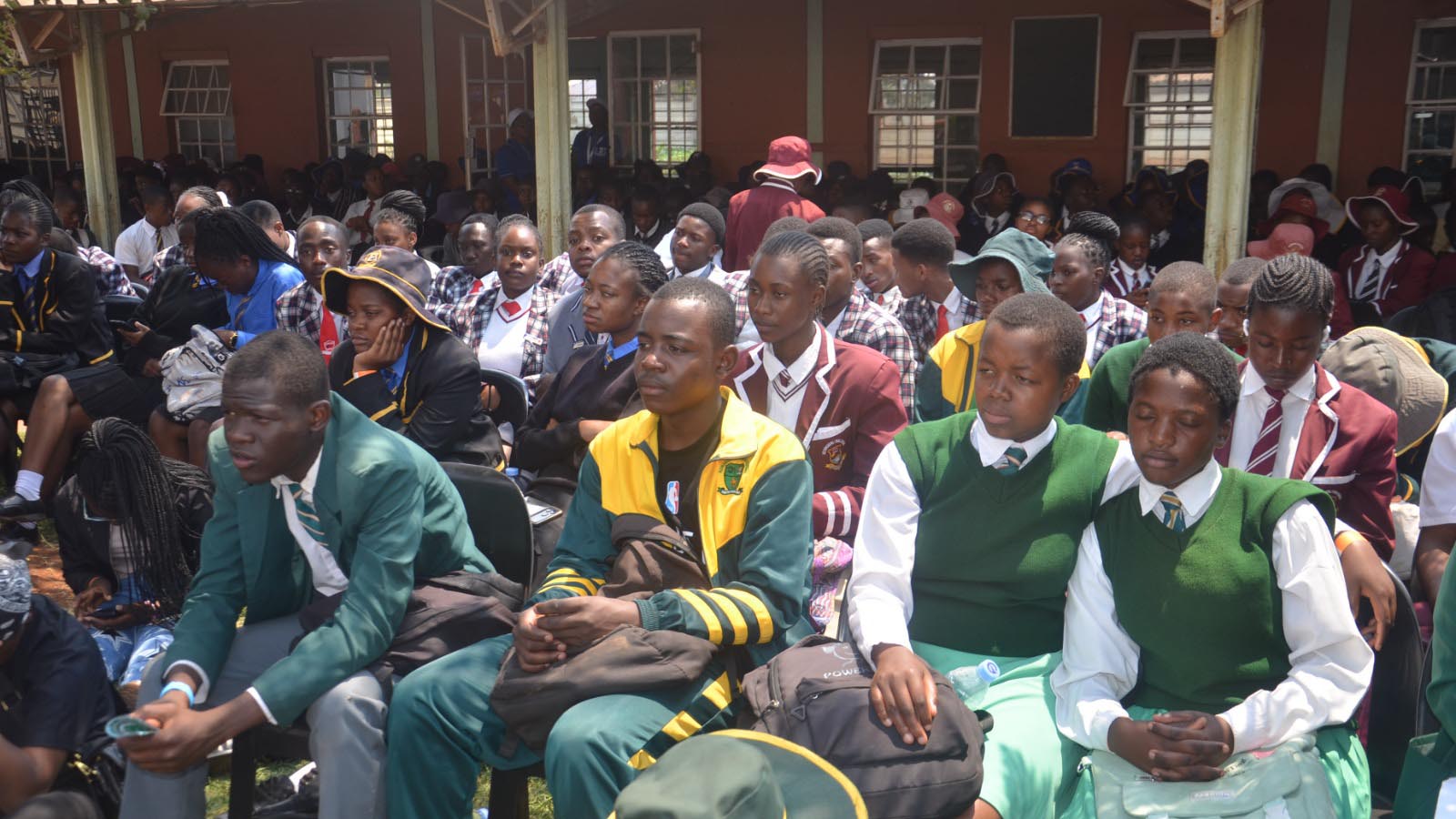
This year’s World Radio Day official celebrations in Zimbabwe are being held at the Tongogara Refugee Settlement in Chipinge. Vemuganga FM community radio station based in Chipinge pledged to support the Tongogara settlement community in their hosting of the World Radio Day commemorations. John Masuku, a Zimbabwean radio and television broadcaster/trainer was UNESCO’s 2023 World Radio Day international coordinator.