
AI no substitute for journalists, ZMC tells media

Ivan Zhakata

Herald Correspondent

JOURNALISTS must embrace artificial intelligence (AI) to improve newsroom efficiency while safeguarding accuracy, ethics and public trust, the Zimbabwe Media Commission (ZMC) has said.

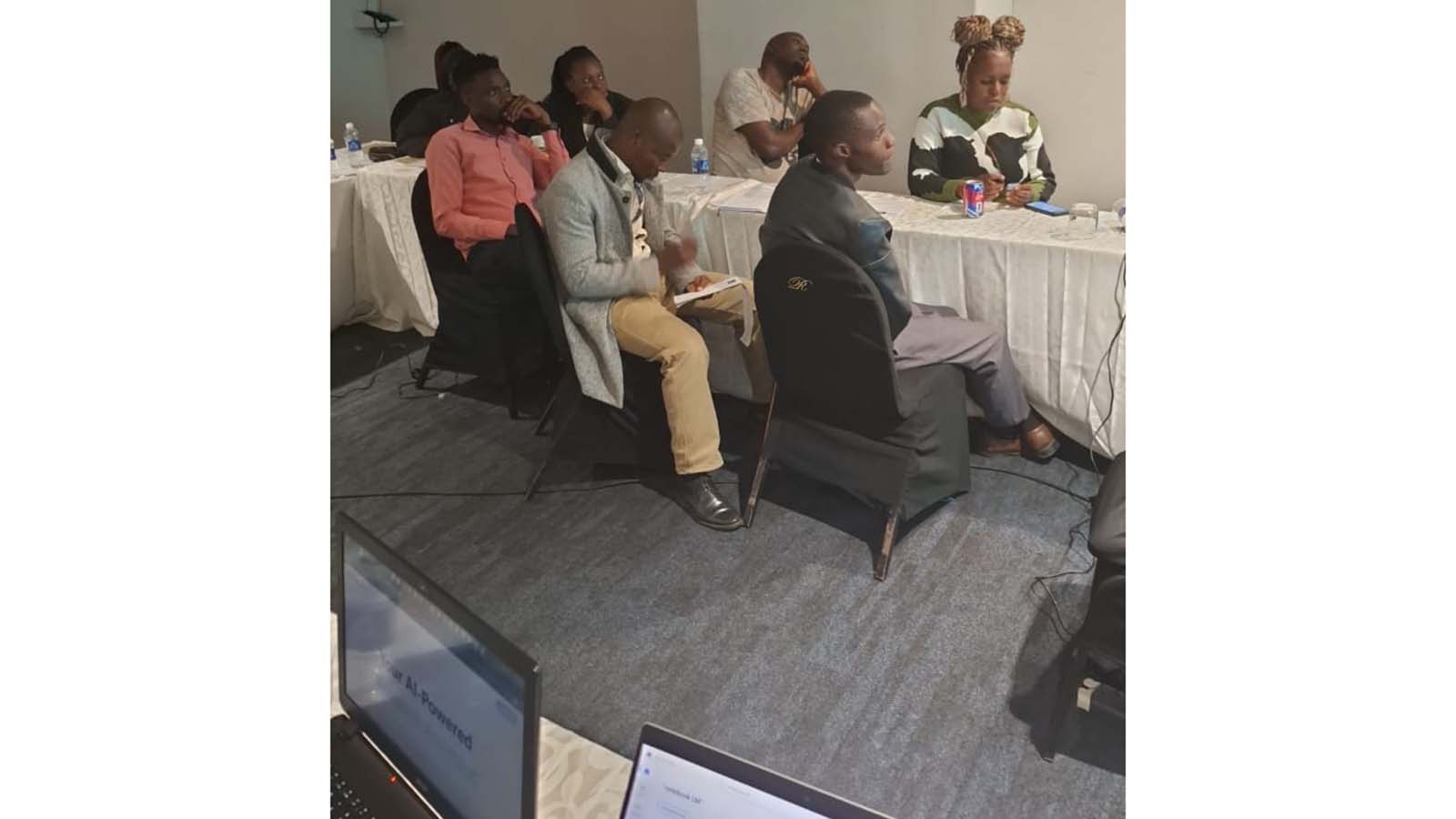
Addressing journalists at a capacity-building workshop on the application of AI in journalism in Harare, ZMC director of media development and governance Ms Nyaradzo Hazangwi said AI has become an integral part of modern journalism but could never replace the role of journalists in gathering, verifying and analysing information.

“The digital era has changed the rules of the game. News breaks on X and WhatsApp before it gets to the newsroom,” she said.

“Audiences no longer wait for the 8 o’clock news. They expect updates in real time on their phones.”

Ms Hazangwi said AI tools were already capable of drafting story leads, transcribing lengthy interviews in minutes and generating graphics, presenting opportunities for media organisations to improve productivity.

“This is not something that is coming in the future. It is already here. AI can help small newsrooms do more with less, work faster and improve fact-checking,” she said.

She said technology also posed serious challenges, including the spread of misinformation, bias and fabricated content.

“The same tools can create misinformation and different biases, threatening the trust that we have carefully built over time as journalists,” she said.

Ms Hazangwi said while technology was changing the way news was produced and consumed, the core responsibility of journalism remained unchanged.

“Our job is to inform the public accurately, hold those in authority to account and give a voice to people who are often ignored. AI is not going to do that for us,” she said.

Ms Hazangwi said journalists should use AI to complement, rather than replace, professional judgement.

“The media’s role is to be a filter, a verifier and a trusted guide in an environment flooded with content. AI can assist with verification, but only if human judgement and ethics remain at the centre of the process,” she said.

Ms Hazangwi said the workshop will equip journalists with practical AI tools for transcription, translation, data analysis, content summarisation and other newsroom tasks.

“The goal is not to replace journalists but to free them from repetitive work so they can spend more time on reporting and analysis,” she said.

Ms Hazangwi said there was a need for ethical safeguards as newsrooms increasingly adopt AI technologies.

“How do we avoid publishing AI hallucinations? How do we disclose when AI has been used? How do we stop AI from amplifying stereotypes? Ethics cannot be an afterthought; they must be built into newsroom workflows,” she said.

Ms Hazangwi urged media houses to develop AI policies to guide the responsible use of the technology.

“Every newsroom, big or small, needs clear rules on what staff can use AI for, what must be checked by a human and what cannot be published,” she said.

“Without a policy, organisations expose themselves to legal risks, reputational damage and loss of public trust.”

She said the ZMC will continue supporting media organisations in developing AI governance frameworks to ensure the technology is used responsibly while strengthening journalism.


 

AI no substitute for journalists, ZMC tells media

Ivan Zhakata

Herald Correspondent

JOURNALISTS must embrace artificial intelligence (AI) to improve newsroom efficiency while safeguarding accuracy, ethics and public trust, the Zimbabwe Media Commission (ZMC) has said.

Addressing journalists at a capacity-building workshop on the application of AI in journalism in Harare, ZMC director of media development and governance Ms Nyaradzo Hazangwi said AI has become an integral part of modern journalism but could never replace the role of journalists in gathering, verifying and analysing information.

“The digital era has changed the rules of the game. News breaks on X and WhatsApp before it gets to the newsroom,” she said.

“Audiences no longer wait for the 8 o’clock news. They expect updates in real time on their phones.”

Ms Hazangwi said AI tools were already capable of drafting story leads, transcribing lengthy interviews in minutes and generating graphics, presenting opportunities for media organisations to improve productivity.

“This is not something that is coming in the future. It is already here. AI can help small newsrooms do more with less, work faster and improve fact-checking,” she said.

She said technology also posed serious challenges, including the spread of misinformation, bias and fabricated content.

“The same tools can create misinformation and different biases, threatening the trust that we have carefully built over time as journalists,” she said.

Ms Hazangwi said while technology was changing the way news was produced and consumed, the core responsibility of journalism remained unchanged.

“Our job is to inform the public accurately, hold those in authority to account and give a voice to people who are often ignored. AI is not going to do that for us,” she said.

Ms Hazangwi said journalists should use AI to complement, rather than replace, professional judgement.

“The media’s role is to be a filter, a verifier and a trusted guide in an environment flooded with content. AI can assist with verification, but only if human judgement and ethics remain at the centre of the process,” she said.

Ms Hazangwi said the workshop will equip journalists with practical AI tools for transcription, translation, data analysis, content summarisation and other newsroom tasks.

“The goal is not to replace journalists but to free them from repetitive work so they can spend more time on reporting and analysis,” she said.

Ms Hazangwi said there was a need for ethical safeguards as newsrooms increasingly adopt AI technologies.

“How do we avoid publishing AI hallucinations? How do we disclose when AI has been used? How do we stop AI from amplifying stereotypes? Ethics cannot be an afterthought; they must be built into newsroom workflows,” she said.

Ms Hazangwi urged media houses to develop AI policies to guide the responsible use of the technology.

“Every newsroom, big or small, needs clear rules on what staff can use AI for, what must be checked by a human and what cannot be published,” she said.

“Without a policy, organisations expose themselves to legal risks, reputational damage and loss of public trust.”

She said the ZMC will continue supporting media organisations in developing AI governance frameworks to ensure the technology is used responsibly while strengthening journalism.


Related Posts

Time for Global South nations to tell own stories

Conrad Mupesa recently in BEIJING, China COUNTRIES in the Global South have been urged to harness Artificial Intelligence (AI) and other emerging digital technologies to tell their own stories, shape…

CCZ seeks media partnership to boost consumer protection

Ivan Zhakata THE Consumer Council of Zimbabwe (CCZ) has called for a stronger partnership with the media to enhance consumer awareness and strengthen protection against unfair trade practices. The consumer…

Leave a Reply

Your email address will not be published. Required fields are marked *

×