Online Reporter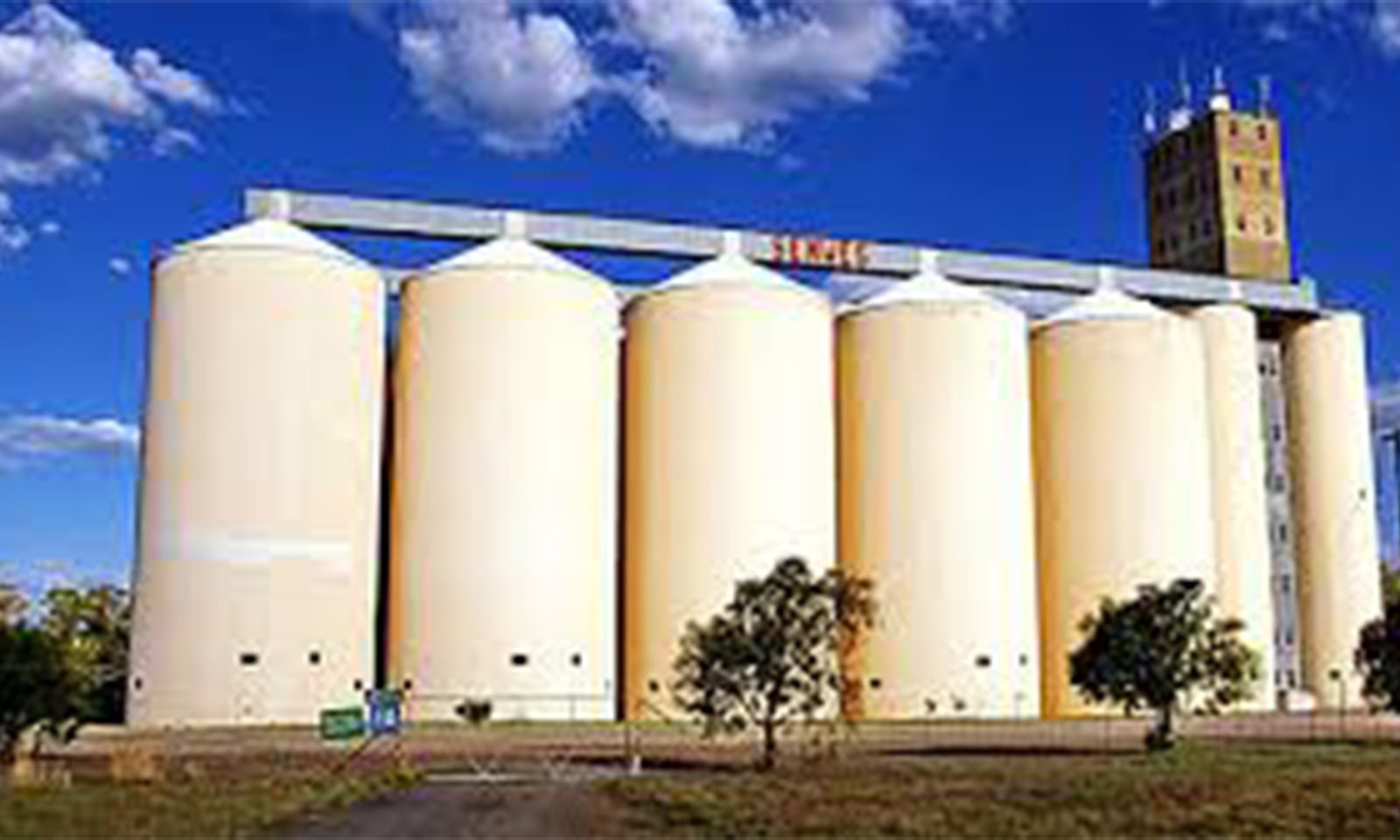
Theseus Shambare
ZIMBABWE is on the cusp of a major technological revolution in grain storage, with the Government set to unveil a network of state-of-the-art silos powered by artificial intelligence (AI) and the Internet of Things (IoT) technology.
This ambitious project aims to modernise the country’s grain storage infrastructure, significantly reduce post-harvest losses and enhance food security. Under the ongoing initiative, seven silos are under modernisation and expansion at Grain Marketing Board (GMB) depots in Kwekwe, Mhangura, Mvurwi, Mutare, Rutenga, Timber Mills and Lupane.
Overall, the silo modernisation and expansion project targets 21 depots countrywide.
Chief director of agricultural engineering, mechanisation and farm infrastructure development in the Ministry of Lands, Agriculture, Fisheries, Water and Rural Development Engineer Edwin Zimunga told The Sunday Mail that IoT sensors would be used for real-time monitoring of load, fleet movement, offloading processes and energy consumption.
The AI-driven systems will essentially optimise storage and load management, automate building functions and implement AI-driven quality control to detect grain spoilage.
Green depot technologies will incorporate energy-efficient systems, including AI-driven energy management and smart energy metering, to minimise environmental impact.
“We are going to modernise the existing depots,” said Eng Zimunga.
“Works at the high-tech Kwekwe depot are now 82 percent complete, with plans on course to bring this site online in April.
“Thereafter, every month we should see the coming online of a new depot. The project is expected to be completed in 2026. We intend to add another 784 000 tonnes to the current capacity of 650 000 tonnes to bring the total to around 1,4 million tonnes.”
The Mutare depot is at 52 percent complete, Mhangura 45 percent and Mvurwi 27 percent. Rutenga, Timber Mills and Lupane depots are at 19 percent, 17 percent and 10 percent complete, respectively.
“The real target is to get to 1,5 million tonnes,” added Eng Zimunga.
The Government plans to build the strategic grain reserve to 1,5 million tonnes in order to establish buffer stocks that can provide relief during drought years.
“But the good thing is that once you have got a 1,5-million tonne buffer storage, it should be in a position to take us to a period of three years, where we would then be making sure that the vulnerable population or the whole population of Zimbabwe is food-secure for such a period.”
These modernised depots, Eng Zimunga said, will be equipped with a suite of advanced technologies, transforming them into smart, efficient hubs.