Thousands of Zimbabweans living with HIV have continued receiving life-saving antiretroviral drugs (ARVs) without interruption after Government stepped in to fill a funding gap left by the withdrawal of United States support.
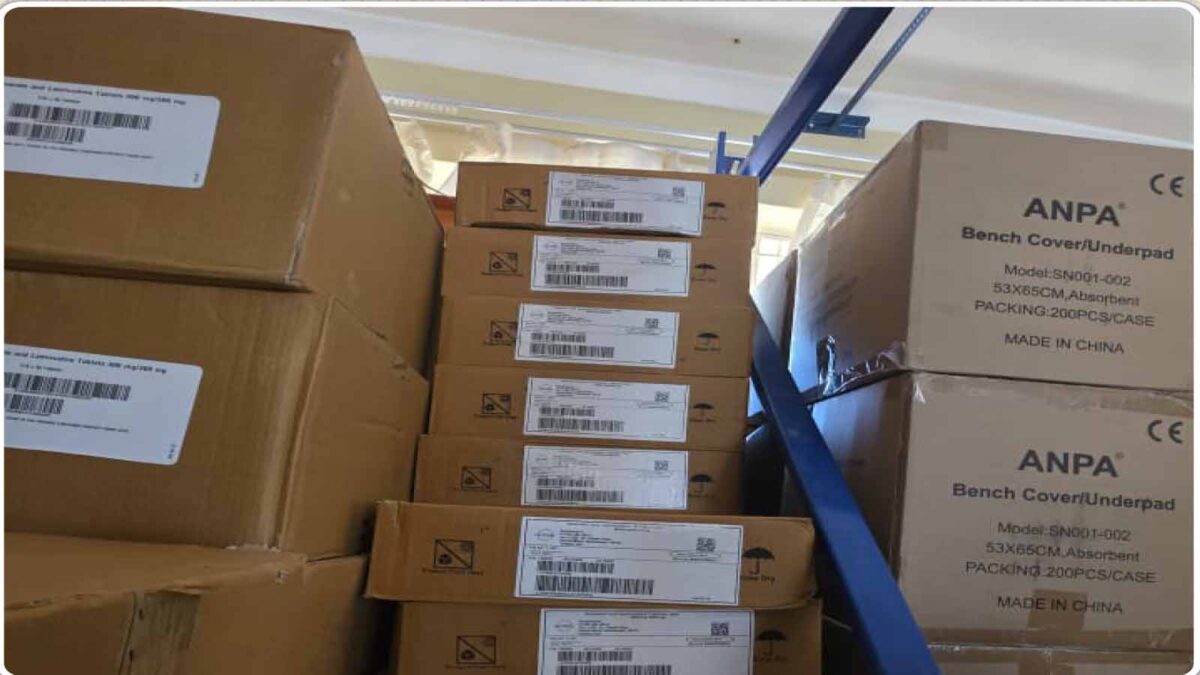
The funding withdrawal affected about 200 000 patients who had been receiving treatment through donor-backed programmes. However, the Government used money from the AIDS Levy and other domestic resources to ensure medicine supplies remained available.
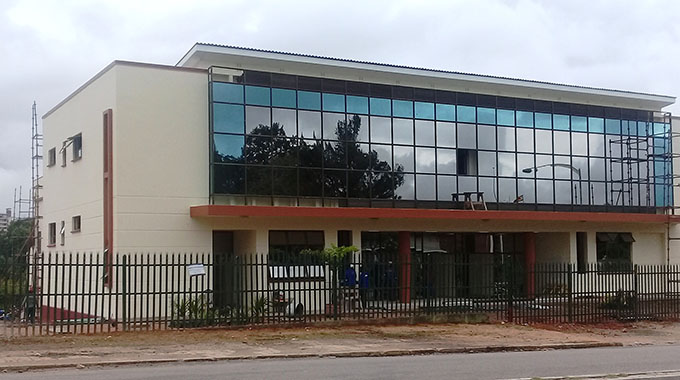
At Epworth Polyclinic, patients said they have continued collecting their medication as normal.
One woman, who has been on ARVs since 2007, said she has never faced problems accessing treatment.
“I have been taking ARVs since 2007 and I have never had any challenge in collecting my ARVs. They are always available,” she said.
Community health worker Chioneso Mangando said all patients in her area, including children, were receiving their medication on time. “My catchment area is three thousand people and of those 600 are on ART and everyone is getting his or her medication on time, even the children,” she said.
Key populations have also continued benefiting from HIV services, including access to newer treatment and prevention options.
Key Population leader Cecelia Ruzvidzo welcomed the availability of ARVs and newer injectable drugs such as Cabla and Lenacapavir.
Epworth Polyclinic Matron Elizabeth Chifuna said the health facility, which serves about 12 000 people on ARVs, had experienced no shortages this year.
“We have not had any shortages this year. All the clients are getting their ARVs consistently,” she said.
National AIDS Council chief executive officer Dr Benard Madzima said the withdrawal of US funding in 2026 had forced authorities to rethink priorities and channel more resources towards HIV treatment.
He said domestic financing of Zimbabwe’s HIV response has increased from about 15 percent to nearly 30 percent, helping the country maintain supplies of ARVs and laboratory reagents.
“We had to look at the use of the AIDS Levy and reprioritise. We had to look at our 2026 budget and cut on certain things and prioritise ARV availability and laboratory reagents availability,” said Dr Madzima.
President Emmerson Mnangagwa has also urged Zimbabwe to strengthen self-reliance in the fight against HIV and reduce dependence on foreign funding.
He said the AIDS Levy continues to provide a reliable source of funding while Government is integrating HIV services into primary healthcare to make testing, treatment and advanced care available to more people.
“Our own National AIDS Trust Fund, commonly known as the AIDS Levy, has continued to provide a predictable and sustainable resource base. To further strengthen the response, my Government is integrating HIV services into primary healthcare so that testing, treatment and advanced care are accessible at every level,” President Mnangagwa said.
As international funding becomes less certain, Zimbabwe is increasingly relying on domestic resources to keep HIV services running and ensure patients continue receiving the treatment they need – ZBC.