Alicia Kadzviti
Herald Correspondent
AT least 20 patients are being airlifted from Chegutu District Hospital monthly to specialist care centres in Chinhoyi or Harare, a service provided free of charge by a Government-sponsored Air Ambulance initiative launched last year.
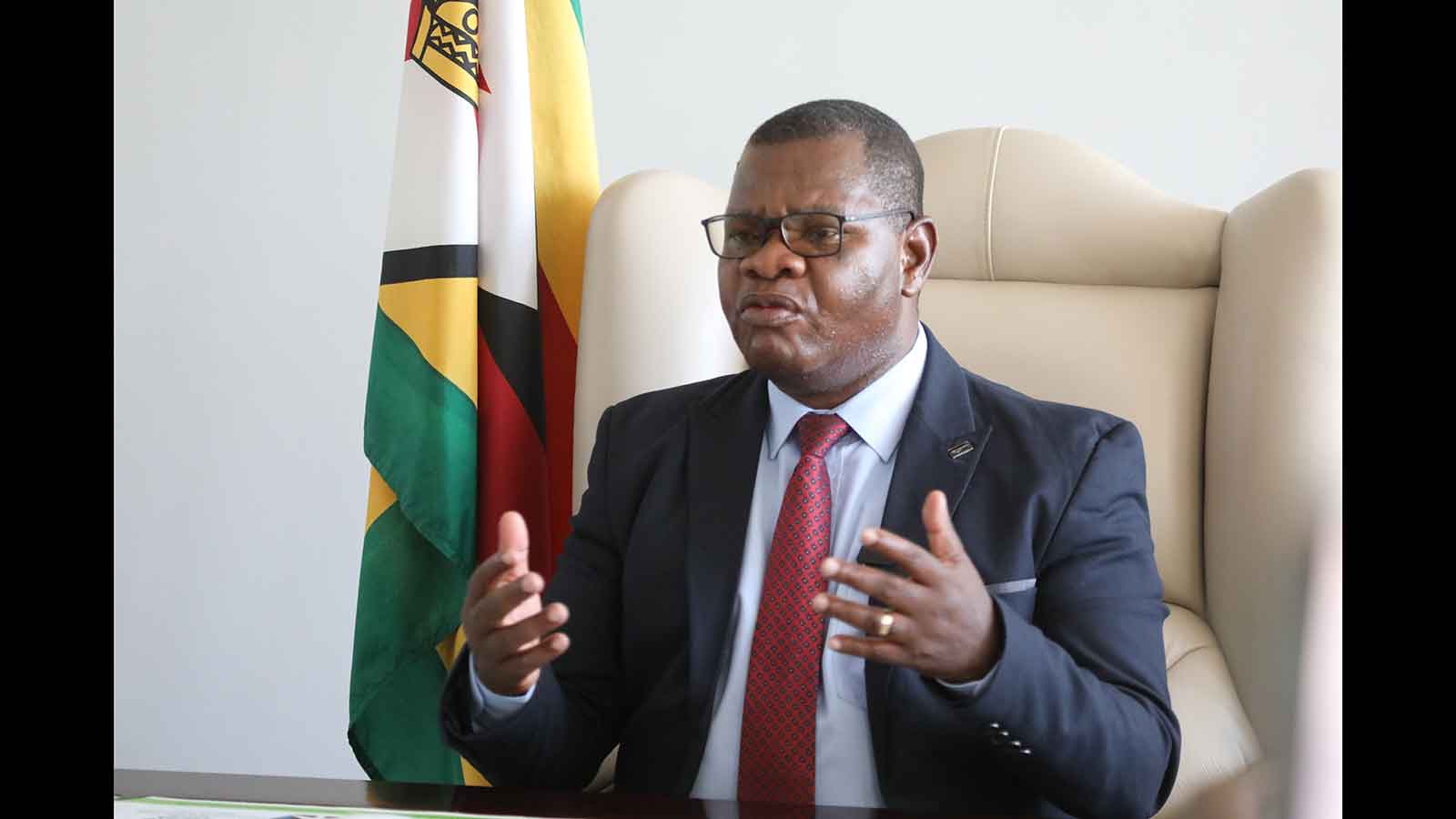
This was revealed by Dr Sandra Mhuriro, the Chegutu District Medical Officer (DMO), in an interview recently.
She said the programme has transformed healthcare by facilitating rapid transfer for both accident emergencies and patients with complicated chronic conditions.
“These are not just accident emergency patients; they are those who have been transferred to see specialists in Harare or Chinhoyi. These may be complicated chronic illnesses,” Dr Mhuriro said.
She also expressed satisfaction with the service’s rapid response, essential for seriously ill patients.
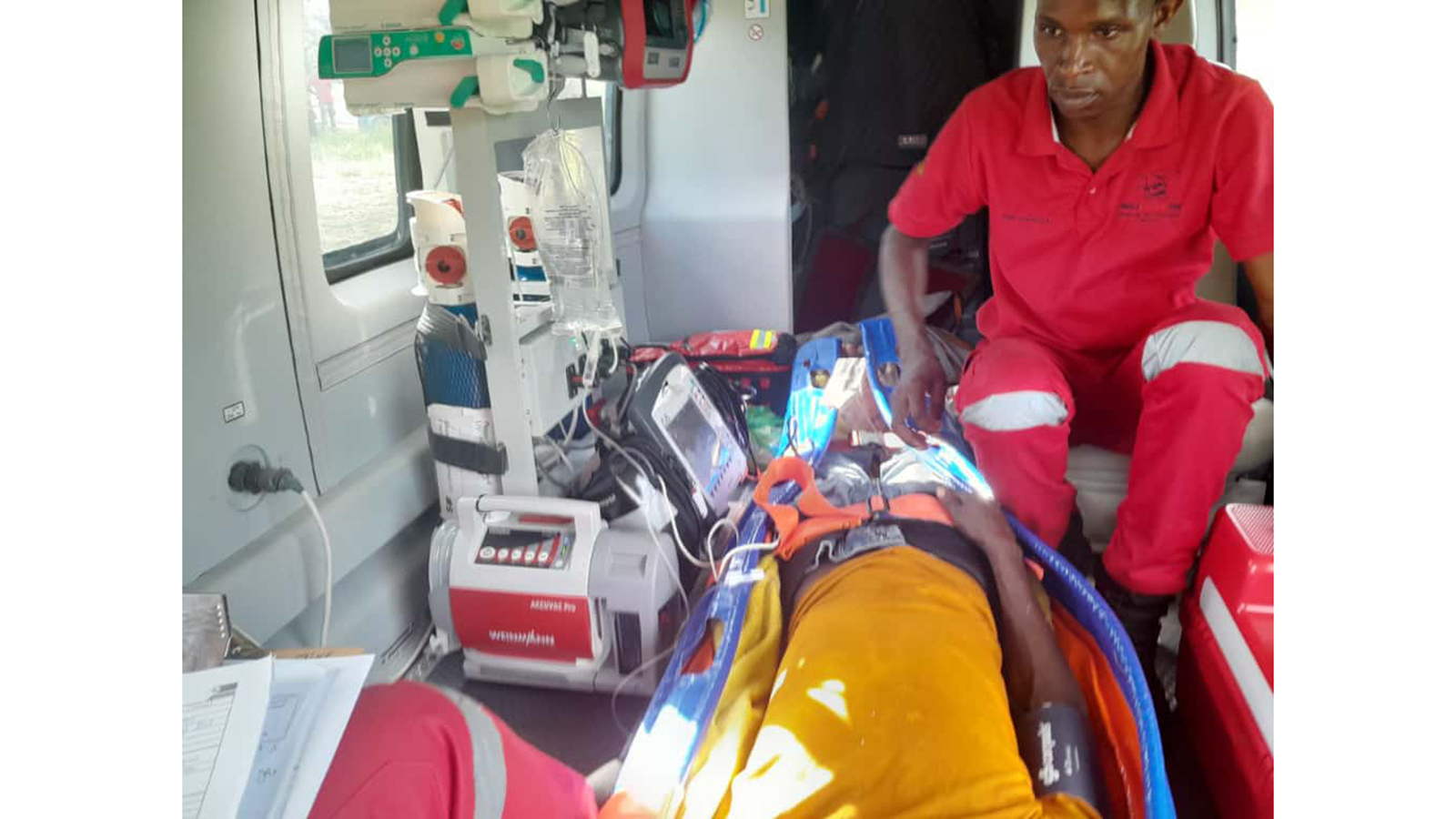
The air ambulances are well-equipped with ICU nurses and advanced doctors, ensuring patients receive high-quality medical care and are treated with utmost safety and comfort.
“When you call them, they take at most 40 minutes to come to Chegutu to get a patient, so usually patients are transferred faster and it’s more effective, especially for those patients that are critical because their doctors are quite advanced,” Dr Mhuriro said.
She added that previously, road ambulances were used for all transfers, but they are now only used at night since the Air Ambulances are not yet offering night services.
“We used to use road ambulances during the day, but now we only use them at night, which is very convenient for us money and fuel-wise wise and these helicopter services are for free; patients don’t have to pay anything.”
Meanwhile, the Government-sponsored Air Ambulance Service has successfully responded to over 900 civil emergency cases across the country since its launch in August last year.
The service was launched through a partnership with Russia’s HeliDrive Air Medical Services.
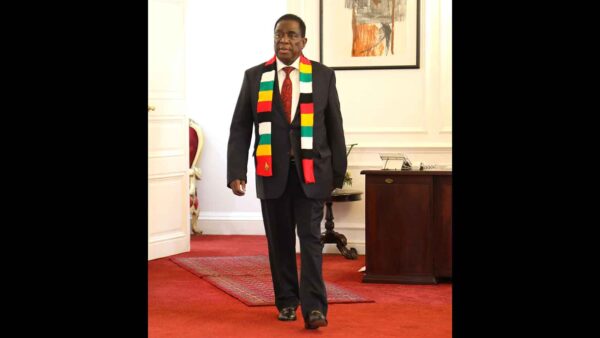
The initiative is a critical step in President Mnangagwa’s efforts to modernise Zimbabwe’s healthcare system and improve access to specialised medical care, particularly given the high number of road traffic accidents.
The service has already airlifted numerous patients, including children, and provides intensive care-level treatment, overcoming geographical barriers to reach those in need.