Online Reporter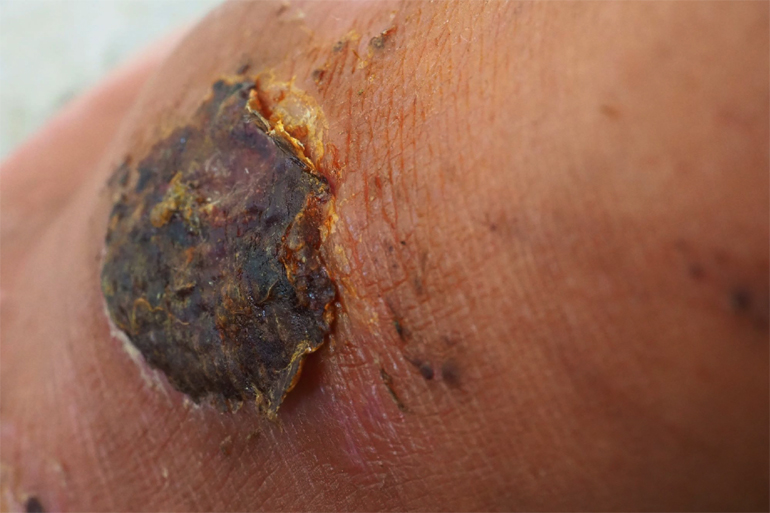
Dr Tendai Zuze
Health Matters
MOST small cuts and wounds heal within one to two weeks.
The pain reduces, the swelling settles, and new skin forms.
But sometimes a wound refuses to heal. It may stay open, continue discharging, smell bad, or even get bigger. When this happens, it is a warning sign that something is wrong.
One of the most common reasons wounds do not heal is diabetes.
Many people do not know they have high blood sugar until a small wound on the foot fails to close.
High sugar levels damage nerves and blood vessels and reduce the body’s ability to fight infection. A small blister from tight shoes can slowly turn into a serious ulcer. Anyone with a wound that is s1low to heal should check their blood sugar.
Another common cause is infection.
A wound that is painful, swollen, producing pus, or has a foul smell usually has bacteria inside it.
Sometimes this starts as a boil or an infected cyst on the back, armpit, or buttocks. If the pus is not properly drained, the infection can form a sinus (a small opening that keeps discharging).
In such cases, antibiotics alone are not enough. The pus often needs to be drained and the infected tissue cleaned.
Poor blood supply is another major reason. People with high blood pressure, diabetes, or those who smoke may develop narrowed blood vessels. When blood flow is poor, oxygen and nutrients do not reach the wound properly. This is common in the lower legs and feet. These wounds may look dry, dark, or painful, especially when walking.
Pressure wounds are also seen in patients who are bedridden after a stroke or severe illness. If someone lies in one position for too long, especially on a hard surface, the skin breaks down. These wounds can become deep and difficult to treat. Regular turning of patients and good nursing care are very important to prevent this.
In some cases, traditional practices may delay healing. Applying unknown herbs, powders, or strong chemicals to a wound can damage healthy tissue and introduce infection. While some home remedies are well intentioned, they may worsen the problem.
There are also more serious but less common causes.
Tuberculosis can sometimes cause chronic draining sinuses. Certain skin cancers may begin as wounds that do not heal and slowly enlarge over months. Any wound that has lasted more than four weeks needs medical assessment.
If a wound is not improving after one to two weeks, seek medical care.
Early treatment prevents complications and reduces costs in the long run. Second, control underlying conditions. Check blood sugar. Manage blood pressure. Stop smoking. Good control of chronic illnesses greatly improves healing.
Third, proper wound care is essential. The wound may need cleaning, removal of dead tissue, and appropriate dressings.
If there is pus, it may need to be drained. Sometimes a swab is taken to guide antibiotic choice.
Good nutrition also matters. The body needs protein, vitamins, and minerals to repair tissue.
A balanced diet with adequate protein helps wounds close faster.
Most importantly, never assume a wound will eventually heal.
In many cases, a non-healing wound is not just a skin problem — it is a sign of an underlying health issue.
If you or a family member has a wound that is not healing, get it checked early. Early action can prevent serious infection, hospital admission, or even amputation.
For more information, contact [email protected]