Online Reporter
Mbulelo Mpofu, [email protected]
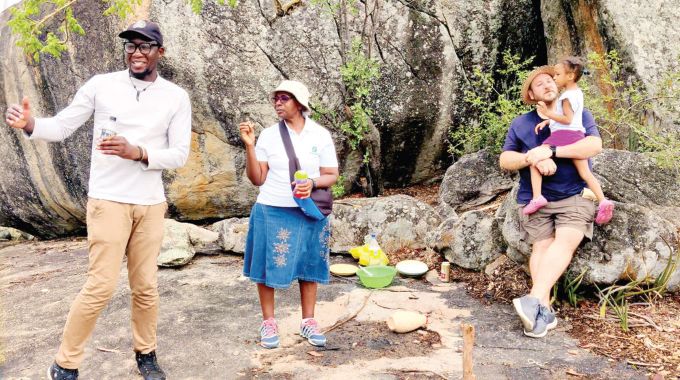
A morning mist hangs gently over the ancient granite rocks of the Matobo Hills, wrapping the landscape in a quiet calm that feels almost sacred. Beneath this soft cover, something special is beginning to take shape at the Amagugu International Heritage Centre (AIHC). There is a sense of movement in the air, a growing excitement, as the centre prepares to join the rest of the country in marking Culture Month. At the centre of it all is the sixth edition of the Amagugu Traditional Food and Beverages Festival, a two-day event set for May 23 and 24, promising more than just food, but a true celebration of who we are.
Held under the theme, “Our Food, Our Heritage, Our Future,” the festival is not just about cooking and eating. It is about remembering where we come from and taking pride in it. Working together with the African Food Revolution and Magriza Made Me Cook, AIHC is preparing to host an event that will speak to both the heart and the stomach. It is about sharing stories through food, bringing people together, and reminding everyone that culture lives in the meals we prepare and enjoy.
The timing of this festival is important. Earlier this week, the Cabinet approved the programme for the 2026 National Culture Month, presented by the Acting Minister of Sport, Recreation, Arts and Culture, Honourable Professor Paul Mavima. This officially set the country on a path to celebrate its rich cultural identity throughout May.
This year, Bulawayo Metropolitan Province has been chosen to host the main national launch. On May 21, Barbourfields Stadium will come alive with colour, music, and tradition. Under the theme “Cultural Diversity and Creativity: Advancing Vision 2030,” the event — expected to be officiated by President Mnangagwa — will highlight the country’s many cultures and show how they can bring people together and support development.
Just two days later, the focus moves from the large stadium to a more personal setting. The Amagugu festival feels like a return home, to the kitchen fires and family gatherings where culture is truly lived. Here, it is not about performance, but about everyday life — how food is prepared, shared, and understood.
For Allington Ndlovu, the Director of AIHC, the festival is about more than the present moment. It is about protecting the past and preparing for the future.
“Our focus this year is on documentation for posterity. It is not enough to simply showcase these dishes for a weekend. We must record the methods, the ingredients, and the stories behind them so that the knowledge is not lost to time. We are essentially building a library of Zimbabwean flavour that future generations can consult and claim as their own.”
His words highlight an important point — that culture can easily be lost if it is not recorded and passed on. By writing down recipes, explaining cooking methods, and sharing the stories behind them, AIHC is making sure that future generations will not forget these traditions.
At the same time, the festival is not only about looking back. It is also about growth and new ideas. Ndlovu shared that this year, people can expect to see new dishes alongside the traditional ones, showing how old methods can still work in today’s world. One of the highlights will be a product called ingota.
“We will be debuting different culinary dishes and amongst those will be ingota, bringing a distinct meaty flavour and different from your typical biltong,” Ndlovu said.
This shows that traditional food can still be exciting and relevant, offering something fresh while staying true to its roots.
The hosting of Culture Month continues to move from province to province each year, making sure that different parts of the country get a chance to lead. After being held in Matabeleland North in 2023, Manicaland in 2024, and Masvingo in 2025, it now returns to Bulawayo, a city often known as the “City of Kings,” giving it a special sense of pride and importance.
Throughout May, activities such as dance, film, theatre, and literature will take place across the country. However, the Amagugu food festival has a unique role. It brings culture into daily life in a way that everyone can understand and enjoy. Families can watch how traditional drinks are brewed, learn about grains like sorghum, millet, and rapoko, and understand why these foods are still important today, especially in a changing climate.
More importantly, the festival creates a space for people to talk to each other. Elders can share their knowledge with the younger generation, and together they can think about how to carry their culture forward.
The theme, “Our Food, Our Heritage, Our Future,” reminds us that food is not just something we eat. It reflects who we are and where we are going. In a world where fast food and outside influences are becoming more common, the Amagugu Traditional Food and Beverages Festival stands as a reminder to value local traditions.
By focusing on culture, food, and shared experiences, AIHC and its partners are helping to build a strong sense of identity and pride. They are not just celebrating the past, but also shaping the future.
As the days draw closer and preparations continue, one thing is clear: on May 23, Matobo will become more than just a destination. It will be a place where history is remembered, culture is shared, and Zimbabwe’s future is tasted in every dish. — Follow on X @MbuleloMpofu