

 admin
admin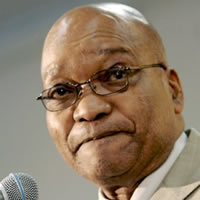
strongest-ever showing by the opposition in local polls.
With 99,3 percent of votes counted, the ANC had claimed 62 percent of the ballots, with the main opposition Democratic Alliance at 23,8 percent. Final results due today were not expected to change the overall picture, which saw support for the ruling party slip by about four points, while the DA made gains, creating an increasingly two-party political landscape. But the ANC, in power nationally since Nelson Mandela became the first black president in 1994, remained in control of 193 of the countr’s 234 cities, with the DA taking 17. Turnout was put at 56,7 percent, the highest ever recorded in local polls, though still far lower than the 77 percent seen in the 2009 national elections.
“We have proved that we are in charge. We have better policies, programmes to change your quality of life,” President Jacob Zuma told about 1 000 cheering supporters outside the ANC headquarters in downtown Johannesburg.
The ANC won despite an explosion of protests in impoverished neighbourhoods over the government’s failure to provide jobs, water, electricity and housing for the poor.
In the campaigning, the ANC relied heavily on its glorious past as the leader of the struggle against white-minority apartheid rule. The strong showing for the DA did not shift control of any major cities away from the ANC, but the opposition strengthened its base in Cape Town, where it has ruled since 2006. The DA, which succeeded a liberal white anti-apartheid party, actively campaigned in townships to lure new voters and shed its elitist image. DA leader Helen Zille sang and danced at rallies, greeted supporters in Xhosa, and showcased the party’s management of Cape Town as a model of good government.
She said their campaign paid off as her party had for the first time won in all-black voting districts.
“We have won, for the first time, wards with 100 percent black voters in them and that was the watershed I was looking for,” she said at the election results centre in Pretoria.
But some of the party’s gains came from a merger with the smaller Independent Democrats and amid dwindling support for smaller opposition parties, including the once-influential Inkatha Freedom Party. The head of the powerful Cosatu labour federation, Zwelinzima Vavi, said he believed most South Africans were not ready to leave the ANC, despite protests that soared in recent years.
“People will . . . register their unhappiness but they will not cross the floor,” he said at the results centre.
“No party is in trouble with 60 percent.” – AFP.


 Online Reporter