Online Reporter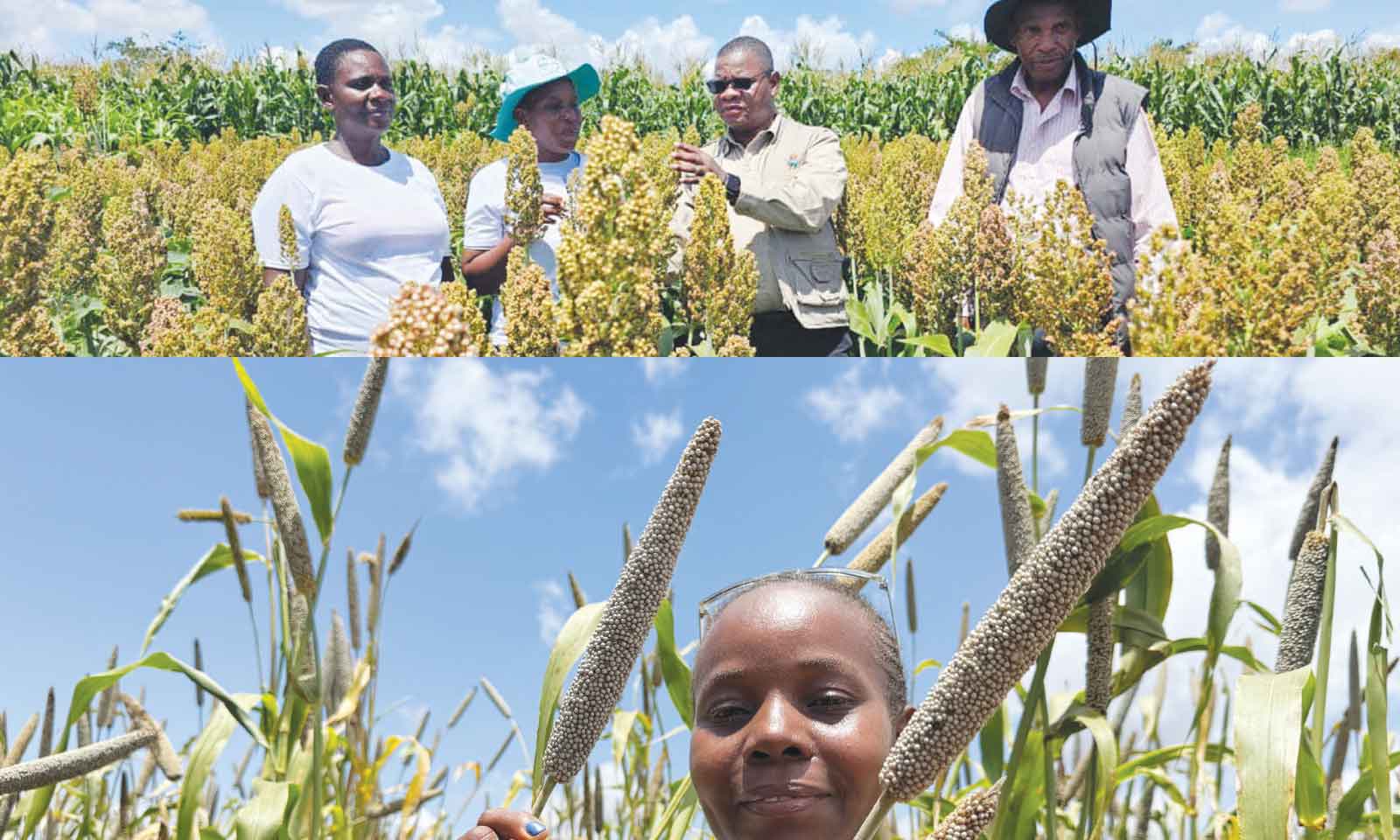
Precious Manomano
Herald Reporter
In recent years, traditional grain production has experienced a notable resurgence at household level across Zimbabwe.
This revival is not merely an agricultural trend, but presents a giant step towards enhancing food security and improving rural livelihoods.
Lands, Agriculture, Fisheries, Water and Rural Development, permanent secretary Professor Obert Jiri, has underscored the Government’s unwavering commitment to promoting traditional grains like sorghum, pearl millet and finger millet as a vital part of a more comprehensive strategy aimed at tackling food insecurity and ensuring resilience against climate change.
To support this renaissance in traditional grain agriculture, various Government initiatives have been launched.
Input support programmes are at the forefront, providing smallholder farmers with access to seeds, fertilisers and other essential resources needed for planting.
These programmes are especially crucial for small-scale farmers operating on limited budgets, as they often lack the financial means to invest in high-quality seeds or effective fertilisers.
Research into improved seed varieties is another critical initiative. By developing drought-resistant and high-yielding varieties, the Ministry aims to equip farmers with the tools necessary to adapt to Zimbabwe’s changing climate.
This research, coupled with hands-on farmer training programmes, helps ensure not only that farmers have access to better crops, but also the knowledge to cultivate them effectively.
These efforts are projected to play an essential role in strengthening the agricultural sector, leading to sustainable production practices that can support future generations.
As the Government actively promotes traditional grains, farmers are responding positively. These crops especially sorghum and millets are increasingly favoured for their drought-tolerant properties and high nutritional value.
Unlike maize, which has dominated the landscape for years, traditional grains are showing promise as resilient alternatives that can withstand harsh climatic conditions.
Forecasts indicate that the production of traditional grains in Zimbabwe is set to increase from 634 650 tonnes in 2026 to 797 000 tonnes by 2030, with the gross value of these crops projected to rise.
Farmers recognise that these grains not only provide tangible financial benefits, but also serve as a vital component of their dietary needs.
Sorghum and millet contain essential nutrients like iron, zinc, calcium and fibre, making them superior food sources compared to maize.
The resurgence of traditional grain production also symbolises a cultural revival. As communities begin to embrace these ancient crops, they are not just cultivating food; they are reconnecting with their heritage.
Zimbabwe Indigenous Women Farmers Association Trust president Mrs Depinah Nkomo, emphasises this cultural shift, noting that people’s diets are changing to reflect healthier food choices.
The meals that were once staples of past generations rich with traditional grains are now making a comeback in modern households.
Interestingly, the market demand for traditional grains is growing. In the past, these crops were often overlooked, perceived primarily as food for the less affluent.
However, shifting consumer preferences have led to a newfound appreciation for traditional foods.
Restaurants are incorporating traditional dishes into their menus, catering to an increasingly health-conscious clientele.
This change has transformed the perception of traditional grains from “poor man’s food” to a sought-after dietary choice among various socioeconomic groups.
The Government’s Pfumvudza/Intwasa programme has been instrumental in supporting smallholder farmers. Designed to encourage diverse planting strategies, Pfumvudza offers crucial assistance in financing the production of traditional crops.
By empowering farmers to diversify their planting approaches, the programme not only boosts food security, but also enhances resilience against the unpredictable nature of climate change.
Smallholder farmers, who comprise the backbone of Zimbabwe’s agricultural sector, are already reaping the rewards of these initiatives.
With the right support and resources, they can now produce traditional grains alongside high-value crops, thus reducing their dependency on a single source of income.
This diversification has proven beneficial, as it lessens vulnerability during times when weather conditions negatively impact maize production.
The community’s response to the resurgence of traditional grain production has been overwhelmingly positive. There is a palpable sense of pride among locals as they prioritise traditional grains in their diets, fuelled by increased awareness of their health benefits.
As Mrs Nkomo pointed out, farmers now have robust access to markets where they can sell their crops, and the profits are promising.
With many traditional crops on the verge of extinction due to previous agricultural practices focused on monoculture, the current movement toward traditional grains is critical for preserving Zimbabwe’s agricultural heritage.
The community has embraced the health aspect of these crops, recognising that they serve not only as food but also as a link to their cultural identity.
The prospect of an abundant harvest looms large and with it comes a renewed sense of hope not only for the farmers, but also for the communities they support.
The synergy created by Government initiatives, community involvement and changing consumer behaviours presents an optimistic outlook for traditional grain production in Zimbabwe.
Farmers are eager to show that they can cultivate crops that are not only economically viable, but also environmentally sustainable. The success stories emerging from these initiatives highlight the strength of smallholder farmers committed to revitalising their agricultural heritage.
The resurgence of traditional grain production in Zimbabwe is more than an agricultural revival, but is a movement towards sustainable food security and a celebration of cultural heritage.
As smallholder farmers reap the benefits of diverse planting strategies, the future looks promising both for their families and for the rich agricultural traditions that define their nation.
The combination of support, knowledge and market demand sets the stage for a transformative journey in Zimbabwe’s agricultural landscape, one that honours the past while paving the way for a sustainable future.
By fostering this renaissance in traditional grains, Zimbabwe is not only feeding its population, but also sowing the seeds of resilience for generations to come.
The journey forward is one of reconnection, empowerment and growth, with traditional grains standing at the heart of this ongoing story.