Sundaymail Editor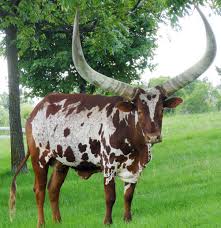
Word From The Market
Chipo Tachiona
CLIMATE CHANGE, which is characterised by rising global temperatures, erratic weather patterns and increased frequency of extreme weather events, poses a significant threat to agricultural systems worldwide.
Zimbabwe, whose economy is anchored in agriculture, is currently bearing the brunt of shifts in climate patterns.
The Government has been pulling all the stops to make sure Zimbabwe’s agriculture is climate-proofed.
Cattle farming — a crucial component of global food security and rural economies — is particularly vulnerable to climate change. However, the rearing of Ankole cattle in Zimbabwe can be a game-changer.
This breed, also known as Ankole-Watusi, originated in East and Central Africa. It belongs to the larger Sanga cattle group. One of its major characteristics are the large, thick horns that can grow up to 2,4-metres long. Ankole cattle have a reddish coat and are hardy animals that are easy to manage. Beyond their visually captivating appearance, the Ankole-Watusi’s impressive horns play a vital role in regulating the animal’s body temperature.
They also hold great cultural significance. In addition to being used by the cattle for defence against predators, these sturdy horns can be used by human beings as musical instruments, hunting tools and even as decorative items.
These cattle exhibit an exquisite and visually arresting coat pattern. Ranging from black, white and brown to speckled colour combinations, their unique and captivating colouration further enhances their allure.
Although they have an imposing stature and remarkable horns, Ankole are renowned for their docile nature.
These traits render them easy to manage, making them an ideal choice for domestication and livestock management.
Hailing from parts of East and Central Africa, as already noted, Ankole-Watusi cattle have developed exceptional adaptation capabilities to thrive in the hot, dry climates of their natural habitats.
Their large ears are instrumental in heat dissipation, while their humps facilitate water storage and insulation.
But most critically, they are also resistant to diseases and parasites that affect other cattle breeds. They can survive on poor-quality vegetation and limited water sources, making them suitable for dry regions around Zimbabwe.
Additionally, they are not only appreciated for their distinct appearance, but also the superior quality of their milk and the delectable taste of their meat.
The nutritious milk they produce is commonly used for traditional dairy items, while their lean meat is highly regarded by meat lovers.
In addition, Ankole-Watusi cattle are renowned for their remarkable lifespan, as they can live up to 25 years or more when provided with appropriate care and nourishment. This longevity renders them an asset for farmers and livestock proprietors seeking long-term investments.
In African cultural contexts, Ankole-Watusi are of significant symbolic value.
They embody wealth, social standing and influence, resulting in their incorporation into numerous customary ceremonies and rituals. Ankole cattle fetch impressive prices on the market due to their exceptional qualities.
These cattle are not only prized for their aesthetic value, but also for their resilience and adaptability to harsh climates. This unique combination of practical benefits and cultural importance ensures that Ankole cattle consistently attract premium prices.
Given their distinctive genetic attributes and cultural importance, numerous initiatives are underway to safeguard the Ankole-Watusi breed. Whether you view them from a historical, cultural or agricultural perspective, there is always more to discover and appreciate about these extraordinary animals.
Chipo Tachiona is the director of Farmyard Investments. Word From The Market is a column produced by the Agricultural Marketing Authority to promote market-driven production. Feedback: [email protected]



 Online Reporter