admin
admin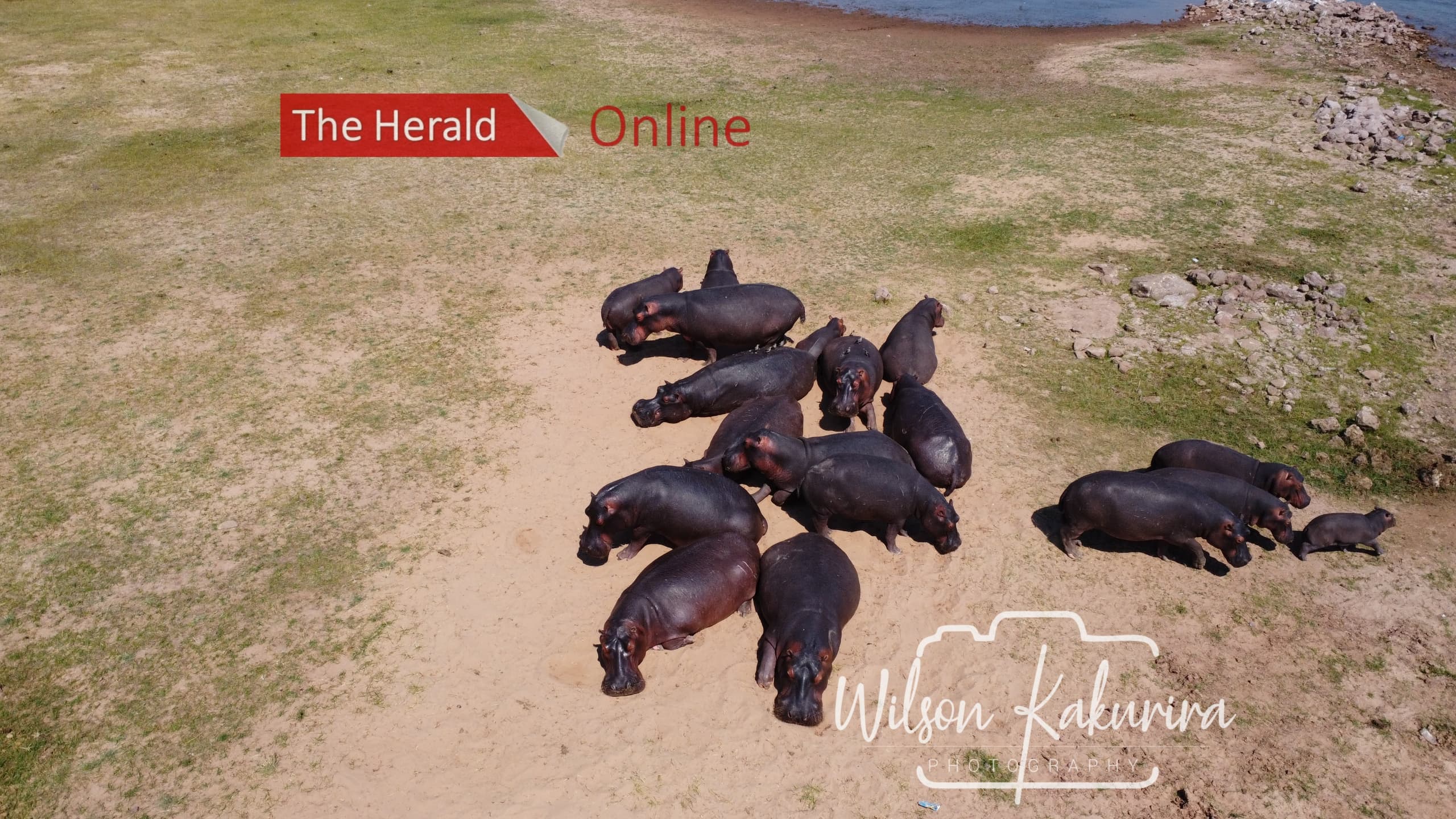
Wilson Kakurira
Climate change is undeniably shaping new trajectories in the world today, presenting new realities for all global citizens.

The consequences are profound, from rising temperatures, declining water levels in lakes, rivers and dams to extremely harsh weather conditions.

However, the impact is not limited to humans alone. It has far-reaching effects on the world’s biodiversity.

Biodiversity, or the ‘diversity of life’ on earth, is essential for the planet’s health and survival.

The effects of climate change are becoming increasingly clear in Matusadona National Park, where water levels are declining and forage for the wild animals continues to dwindle, thereby posing a high risk of human-wildlife conflict in communities surrounding the park.

Matusadonha sits on the shore of Kariba Dam.
ZimParks spokesperson, Mr Tinashe Farawo said the continued decline of water levels in Lake Kariba is a result of climate change and might cause human-wildlife conflicts.

“We have been receiving inconsistent rainfall over the past seasons in the country. In this upper part of Ume and Sanyati Rivers that feed into Kariba Dam, we have approximately 2000 hippopotamuses.

“Due to these low water levels, we are likely to have problems with hippos because they survive in water,” he said.
Having experienced a lean rainfall season, the dry season has extended and, in search of water bodies, wild animals, including hippos, are encroaching on territories inhabited by humans in search of water and grasslands.

“We are in July and as we move to drier months of the year, we are likely to have some fatalities as we are battling an overpopulation of hippos within this part of the country,” said Mr Farawo.


 Online Reporter