Godknows Hofisi
Business Law
Introduction
Artificial intelligence is no longer a distant idea. Generally, AI can reshape businesses and the way things are done.
However, along with the convenience of AI comes governance, ethical and legal issues that cannot be ignored if AI is to serve the public good. I have previously written on AI but in this article I focus on AI governance, ethics and the law.
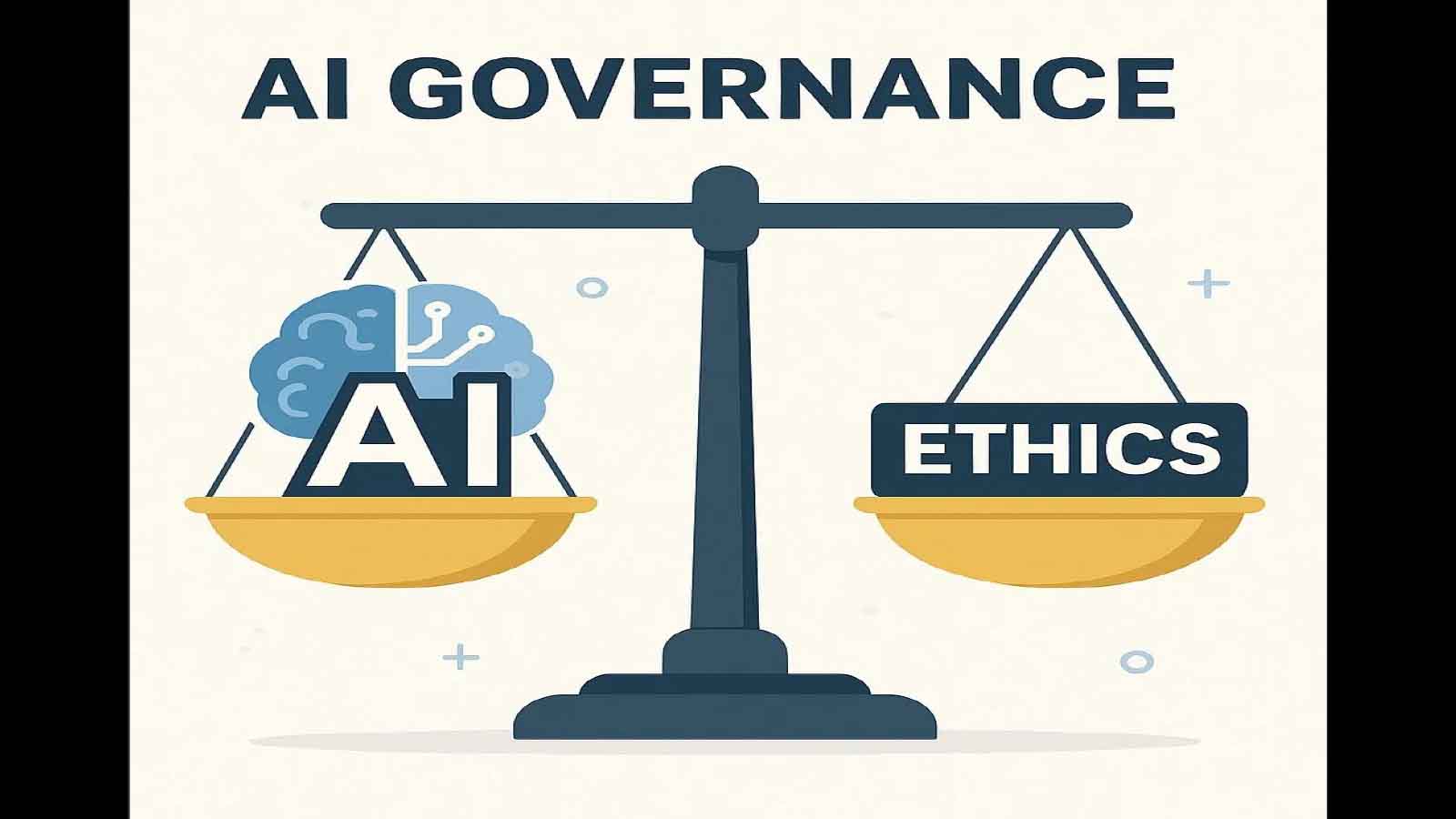
AI governance
This refers to the rules, processes and institutions that guide how AI is developed, deployed and monitored. It is about ensuring that AI systems are safe, accountable, transparent and aligned with human values.
Without governance, AI can become a source of harm rather than progress. A model that makes hiring, lending or medical decisions without proper oversight can reproduce bias, exclude qualified people or produce harmful outcomes. In public institutions, weak governance can also lead to poor accountability, misuse of data and decisions that nobody can explain.
Ethical concerns in AI
The ethical issues around AI are as important as the technical ones. First is fairness. AI systems learn from data, and if the data reflects past unfairness, the system may repeat it at scale. This is especially worrying in areas such as recruitment, lending, policing and social services.
Second is transparency. Many AI systems operate like black boxes, making it difficult for users to understand how they reached a conclusion. That creates trust problems, especially where decisions affect livelihoods and rights.
Third is privacy. AI depends on data, and often lots of it. The more personal the data, the greater the risk that people’s information will be collected, processed or shared without proper consent or protection.
Fourth is human dignity. AI should assist people, not reduce them to data points. A society that over-relies on machines for judgment may weaken empathy, discretion and moral responsibility.
Legal questions on AI
The legal issues are equally serious. One major question is liability. When AI causes harm, who is responsible? Is it the developer, the company that deployed the system, the user, or the data provider? There is need for clarity as AI use expands.
Another issue is intellectual property. AI can generate text, images, music and code, but this raises questions about ownership, originality and copyright infringement. If an AI system is trained on copyrighted material without permission, legal disputes may follow.
There is also the issue of data protection. AI systems may rely on personal and sensitive data, which makes compliance with privacy laws essential.
Businesses and public bodies must ensure lawful collection, secure storage and responsible use of data.
Finally, there is consumer protection. AI tools can mislead, hallucinate or produce inaccurate outputs. If a business uses AI in customer service, credit scoring or advice, it must ensure that users are not deceived or unfairly treated.
Future articles on AI
Space permitting, I will continue to write on Artificial Intelligence and link that with business and the law. I promise to write on Zimbabwe’s National Artificial Intelligence Strategy.
Conclusion
AI will continue to expand, and with it the need for sound governance. The countries and institutions that succeed will not be those that simply adopt AI fastest, but those that adopt it wisely.
AI is powerful, but power without guardrails can be dangerous. The task before policymakers, business leaders and citizens is to ensure that AI remains a tool for human advancement, not a threat to it.
Disclaimer
This simplified article is for general information purposes only and does not constitute the writer’s professional advice.
Godknows (GK) Hofisi, LLB(UNISA), B.Acc(UZ), Hons B.Compt (UNISA), CA(Z), ACCA (Business Valuations) MBA (EBS, Heriot- Watt, UK) is the Managing Partner of Hofisi & Partners Commercial Attorneys, chartered accountant, insolvency practitioner, commercial arbitrator, registered tax accountant and advises on deals and transactions. He has extensive experience from industry and commerce and is a former World Bank staffer in the Resource Management Unit. He sits on the Board of the Council of Estate Administrators in Zimbabwe. He writes in his personal capacity. He can be contacted on +263 772 246 900 or ghofisi@ hofisilaw.com or gohofisi@ gmail.com. Visit www//:hofisilaw.com for more articles.