Theseus Mauruki Shambare
THE Occupational Safety and Health Bill, 2025 (H.B. 6) has completed parliamentary processing in the National Assembly and is now before the Senate, paving the way for a major overhaul of Zimbabwe’s workplace safety laws.
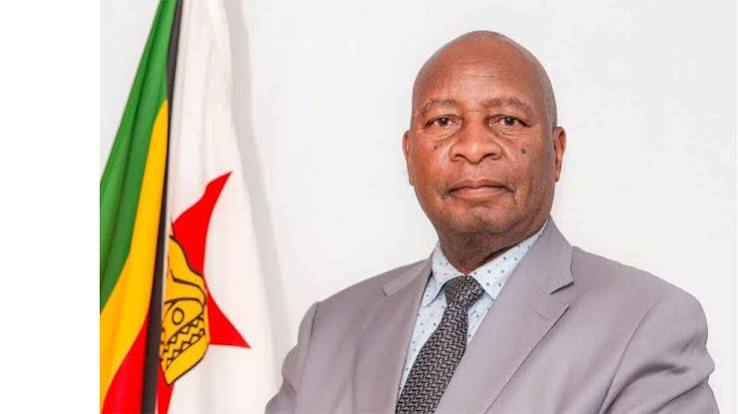
Public Service, Labour and Social Welfare Minister Edgar Moyo announced the development on Thursday while officially opening the annual Safety and Health at Work (SHAW) Conference in Victoria Falls.
He said the Bill would, once enacted, repeal and replace the Factories and Works Act (Chapter 14:08) and the Pneumoconiosis Act (Chapter 15:08), consolidating workplace safety and occupational disease regulation under a single modern framework.
“I am pleased to inform this gathering that the Bill has successfully gone through Parliament legislative processing and is now before the Senate for consideration.
“Following Senate approval, the Bill will be presented to His Excellency, the President of the Republic of Zimbabwe, Dr Emmerson Dambudzo Mnangagwa for assent and subsequent enactment into law,” Minister Moyo said.
The proposed law seeks to expand occupational safety and health protection to all permanent and temporary workplaces across the country, while aligning Zimbabwe’s framework with relevant International Labour Organisation standards on workplace safety, occupational diseases and hazardous substances.
One of its significant provisions is the proposed right of workers to refuse unsafe work.
Under Clause 14(1), a worker would be able to decline work where there is an imminent danger to their safety or health without facing dismissal or punishment for exercising that right.
The OSH Bill would also place greater responsibility on employers to prevent workplace incidents.
Clause 13 requires employers to conduct risk assessments, provide safety training and ensure workers have access to relevant occupational safety and health information.
Minister Moyo said Hazard Identification and Risk Assessment would become a cornerstone of workplace safety management, shifting the emphasis from responding to accidents to preventing them.
The Bill also proposes new institutional structures, including a Department of Occupational Safety and Health, Medical Bureau of Occupational Diseases and Zimbabwe Occupational Safety and Health Advisory Council.
It further gives trained inspectors powers to issue improvement and prohibition notices where workplace safety requirements are not being met, while retaining the Accident Prevention and Workers Compensation Fund.
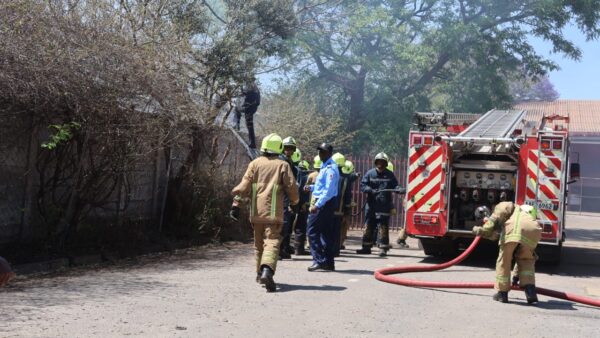
The proposed reforms come as workplace injuries and fatalities remain a concern.
Government statistics show that reported injuries increased by about four percent, from 4 242 in 2024 to 4 414 in 2025, while fatalities rose by 11.4 percent from 70 to 78.
During the first half of 2026, 2 442 disabling injuries were reported, up eight percent from 2 263 during the same period in 2025.
Fatalities increased by 30 percent, from 40 to 52. Minister Moyo said the figures underscored the need for a major policy shift towards prevention.
“Such needless loss of life and deaths at work is unwarranted, hence the policy shifts I have highlighted above underscore the Government’s commitment to move towards zero harm in the workplace,” he said.
The Government is also developing supporting Statutory Instruments to operationalise provisions of the proposed legislation.
The Bill is being pursued alongside moves to ratify ILO Convention 187 on the Promotional Framework for Occupational Safety and Health and Convention 190 concerning violence and harassment in the world of work.