Gibson Mhaka [email protected]
AS Zimbabwe marked the 27th anniversary of the passing of Father Zimbabwe, Vice President Dr Joshua Mqabuko Nyongolo Nkomo, theatre practitioners have challenged the country’s arts sector to play a more prominent role in preserving the liberation icon’s legacy through stage productions that inspire younger generations.
Dr Nkomo, who died on July 1, 1999, aged 82 after battling prostate cancer, dedicated much of his life to Zimbabwe’s liberation struggle, enduring imprisonment, detention, harassment, exile and assassination attempts before becoming one of the architects of national unity through the landmark Unity Accord of 1987.
Although nearly three decades have passed since his death, the ideals that shaped his political life — unity, peace, Ubuntu and selfless leadership — continue to resonate across generations.
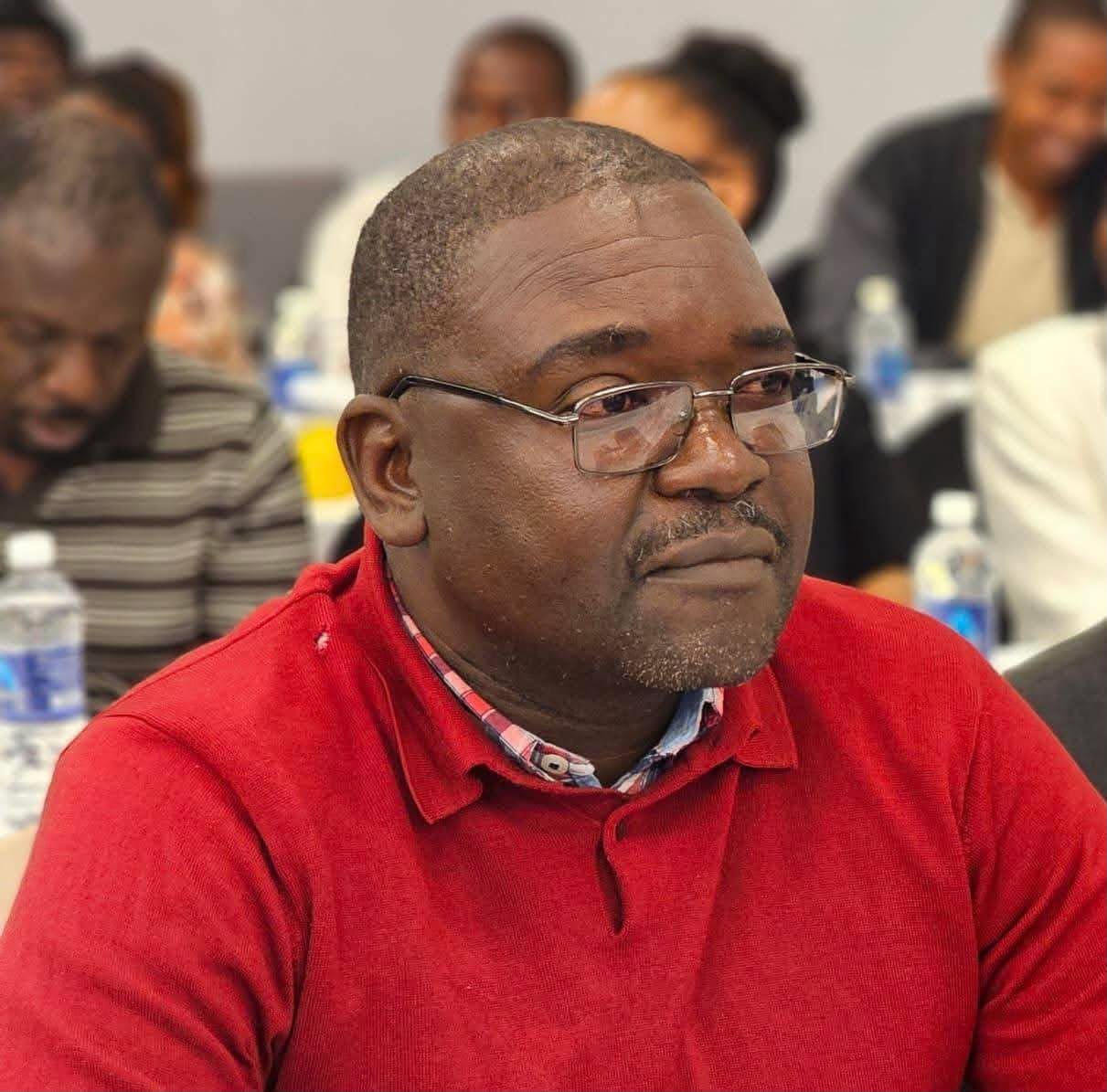
Speaking in an interview to mark the anniversary, Umkhathi Theatre Works director and theatre practitioner Matesu Dube said artists have a responsibility to ensure that Father Zimbabwe’s story remains alive through creative productions.
“There is no Zimbabwean history without Dr Joshua Nkomo,” he said.
“To me, Dr Joshua Nkomo is one of the founders of the liberation struggle.
“He was one of the leaders who spearheaded the armed struggle that gave birth to present-day Zimbabwe.
“He was a selfless leader who put his life at risk for the attainment of Zimbabwe’s independence.”
Dube described Dr Nkomo as a nationalist who remained deeply rooted in African culture despite occupying the highest political office.
“Despite being a political leader, I viewed Dr Nkomo as someone who never abandoned his cultural identity.
“He proudly wore his famous traditional animal-skin hat because he believed in African culture.
“Even at political rallies, he would sing traditional songs, demonstrating that political leadership and African identity could coexist,” he said.
He said one of the most enduring images of Father Zimbabwe was the widely shared video clip showing him singing the traditional song Ngiyamazi uBaba, which reflected his unwavering commitment to African cultural values.
“There is a famous video circulating on social media showing Dr Nkomo singing Ngiyamazi uBaba. That alone demonstrates how deeply rooted he was in African culture.
“When we were young, there was also the popular chant, ‘Ngaphi ngaphi Joshua Nkomo? Kwese kwese Joshua Nkomo.’ It reflected just how much he resonated with ordinary Zimbabweans.”
Dube said although he had participated in Government-organised gala performances honouring the liberation icon, Zimbabwe’s theatre industry still owed Father Zimbabwe a full-scale theatrical production dedicated to his remarkable life and contribution to nation-building.
“I have never produced a play specifically honouring Dr Joshua Nkomo, but it is something that we, as artists, need to seriously consider.
“I would like such a production to highlight the spirit of Ubuntu that Dr Nkomo and his generation championed.
“It must also showcase the selflessness that defined his leadership, his contribution to nation-building and the Unity Accord, which paved the way for lasting peace in Zimbabwe.”
He said Dr Nkomo’s contribution extended beyond politics, noting that he also played an important role in promoting indigenous economic empowerment initiatives.
Dube said theatre remained one of the most effective tools for preserving national memory because audiences easily identified with stories presented on stage.
“Theatre and the performing arts are among the most powerful ways of preserving Father Zimbabwe’s legacy, particularly among young people.
“While audiences are entertained, they are also learning.
“It is not easy to forget something you have watched on stage. Shakespeare’s plays remain relevant centuries after his death because theatre has the power to preserve history across generations.”
He challenged artists to ensure that their productions continue promoting the values that Dr Nkomo dedicated his life to defending.
“As Zimbabwe commemorates the 27th anniversary of Dr Nkomo’s passing, artists and cultural practitioners have a duty to convey messages of Ubuntu, unity, nation-building, indigenisation and the fight against corruption through our productions.
“That is one of the best ways we can ensure Father Zimbabwe’s ideals continue to inspire future generations.”
Dube said the continued commemoration of Dr Nkomo’s life was a reminder that the responsibility of safeguarding Zimbabwe’s liberation heritage did not rest with politicians and historians alone, but also with artists whose work shapes public memory.
“Father Zimbabwe’s story must continue to be told through theatre, music and other art forms so that young Zimbabweans understand the sacrifices made to secure the freedom they enjoy today,” he said.