admin
admin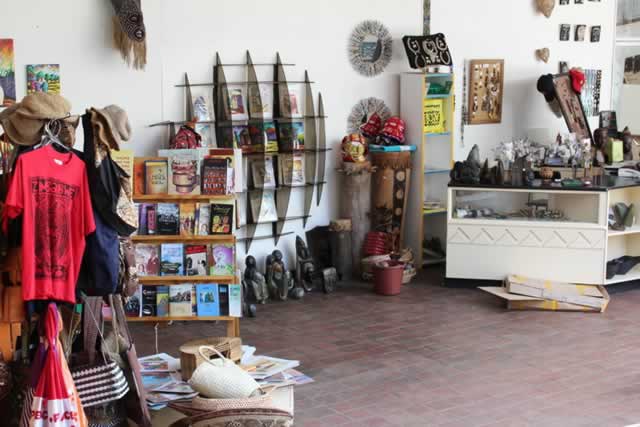
At The Gallery
The National Gallery of Zimbabwe was established with the objective to be a conservatory institution with the function of collection, preservation and presentation of art in all its forms. The co-extensive purpose of the National Gallery is to foster artists through affordable education from renowned instructors. Artists who are developed through the gallery’s system are like any artist; they answer to a calling that they lead or follow for the rest of their lives. There is no off-button for the artist, no retirement or a package to go with it. Simply stated, “Art is Life”.
The “Art is Life” is the gallery brand that attests to this statement. Artlife Magazine, the quarterly publication produced by the National Gallery, was first published back in 1977. The publication was conceived by the Gallery’s proximal director, Brian Bradshaw, then operating as the Insight. The magazines purpose was and still is to preserve, conserve, research and publish artworks and collections for the education and appreciation of present and future generations of Zimbabwe.
Furthermore, Artlife magazine seeks to provide relevant and appropriate information and discourse in relation to art while keeping such a forum readily accessible to the different circles that may use it.
Artlife magazine, however, hit a bump in the road and ceased publishing when the nation entered a period of economic troubles mainly due to the lack of funds to produce the journal. The Artlife magazine got a shot in the arm in 2008 when the Culture Fund of Zimbabwe Trust took the role as guarantor to the publication, ensuring it to once again be released periodically to the art consuming market and the public at large.
The Artlife magazine has, as of now produced five volumes with up to 10 issues. “Art reflects life in all its aspects,” said Doreen Sibanda, the executive director of the National Gallery of Zimbabwe.
The Artlife brand does not only consummate with the magazine as the National Gallery Art and Crafts Shop also goes under the same banner. The shop started off as an outlet for National Gallery workers to sell their work. Frank McEwen, the National Gallery’s incipient director, developed the gallery shop complex.
Work was sold on commission until the eighties when the shop started to purchase stock in order to sell it in a profitable manner for both the artist or craftsman and Artlife.
Artlife runs a contemporary gift and décor space alongside various textiles, prints and batik. Also among some of the shop’s array of artefacts is alluring pottery by Marjorie Wallace.
On sale to the public is merchandise ranging from fine art, jewellery, home ware, trinkets and small sculpture, bags, haberdashery, organic clothing, ornaments and books. Most of the Artlife merchandise is locally sourced to promote Zimbabwean art and craft.
Artlife shop has two branches. The first branch is housed within the National Gallery of Zimbabwe on the northern end of Harare’s central business district.
This location serves the shop well as many people who visit the Harare Gardens may often stop over and have a look at the handicrafts.
The second shop is located at Harare International Airport, which sees an ample flow of customers as tourists inundate the airport complex.
The National Gallery of Zimbabwe in Bulawayo operates under the Sabona mantle. The store stocks up on regional and international merchandise and is at the moment creating a new look for the shop space.
The Mutare gallery has a stock of Weya art with crafts from all over Manicaland. The Mutare shop runs on a slightly smaller scale as to the Harare and Bulawayo shops, but will soon put a name to its banner.
The National Gallery of Zimbabwe has the responsibility to circulate exhibitions throughout Zimbabwe, beyond this encumbrance, and serves as the central point for art in the country. Artlife, through its shop and the magazine, seeks to propel the organisational purpose and ensure art in Zimbabwe is accessed by the greater public.



 Online Reporter