admin
admin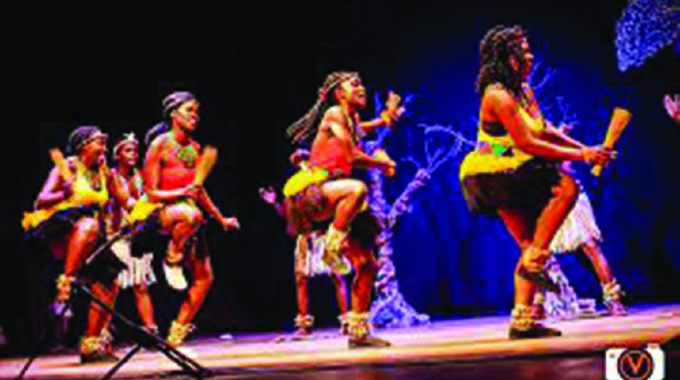
Bulawayo Bureau
AS September drew to a close, Zimbabwe was alive with creative energy, with three prominent festivals taking centre stage: Intwasa Arts Festival KoBulawayo, Shoko Festival and Mitambo Festival.
These festivals, although managed by different individuals, share a common goal of fostering the growth of art and artistes, while nurturing collaborations with regional and international talents.
While Shoko and Mitambo Festivals call Harare home, Intwasa Arts Festival stands as Bulawayo’s cultural gem.
The beauty of these festivals lies in their ability to draw artists and audiences from across the country and beyond Zimbabwe’s borders.
It is unfortunate, then, that in 2023, these three vital cultural events promoting art in the nation were still scheduled to run concurrently, displaying a sign of disunity within Zimbabwe’s arts industry.
From a business perspective, running these festivals simultaneously negatively impacts attendance and participation.
The last week of September this year showcased the disarray within the Zimbabwean arts community and exposed disparities in promoting artistes and local collaborations.
Historically, in the African context, when a kingdom hosted a festival, neighbouring regions would put their own plans on hold to attend, either in support or to learn something new.
In this light, scheduling multiple arts and cultural festivals during the same timeframe poses a problem. Festivals with the potential to contribute significantly to the growth of local art and talent should be open and accessible to all.
Among the trio of festivals, Intwasa Arts Festival is the oldest, dating back to 2005, while Shoko Festival made its debut in 2011, and Mitambo Festival entered the scene in 2019, with its inaugural event in October.
Mitambo’s decision to initially set its dates for October but later shift to September seems to have created the unfortunate scheduling overlap.
In 2020, due to the Covid-19 pandemic, Intwasa Arts Festival had to change its dates, while Mitambo and Shoko continued in September. However, this year, Intwasa Arts Festival returned to its traditional September slot.
These festivals play a crucial role in providing a platform for artistes from all corners of the country to perform on a grand stage. When multiple events are scheduled simultaneously, it forces artistes to choose one event over another, limiting their participation and exposure.
If Zimbabwean art practitioners wish to dedicate September to cultural festivals, it must be done thoughtfully. These events are instrumental in fostering the growth and collaboration of local artistes and should be open to all without unnecessary restrictions.
Zimbabwe’s arts community is a singular entity, and as such, there should be a spirit of unity in its operations. Scheduling these crucial arts festivals concurrently paints a picture of competition for attention and hints at a desire to outdo one another.
Visual art, music, theatre, poetry, and drama, among other genres, represent the diversity of Zimbabwe’s people and culture. Arts festivals should aim to be inclusive, welcoming artistes from various Zimbabwean tribes and adopting an open access policy.
The three festivals are curated by visionary individuals, and if they can find a way to unite, collaborate, and co-ordinate, they have the potential to grow beyond their current boundaries.
To truly promote Zimbabwean art and culture, a spirit of unity and co-ordination is the key. It’s time for these festivals to harmonise their schedules and work together for the greater good of the nation’s artistic community.


 Online Reporter