Online Reporter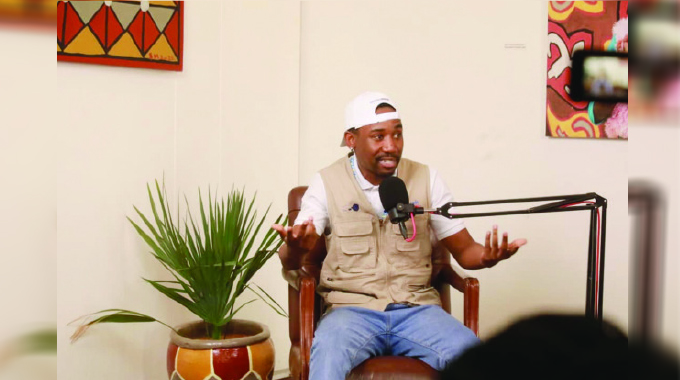
Lesley Chikudo
Mambo hit-maker, Asaph is set to release a new track, Living the Life on May 9, a song that will likely resonate deeply with today’s fast-paced, material-driven world. The track’s core message: “Live in the moment and embrace the journey rather than chasing after possessions”.
In a candid podcast conversation with media personality DJ Ollah 7 at a Zimbabwe International Trade Fair (ZITF) Media Indaba, hosted by the Ministry of Information and Broadcasting Services in Bulawayo last Thursday, the hip-hop artiste shared the inspiration behind the song.
“This track is about celebrating life, the little things that make us who we are. In a world that often pushes us to chase after possessions, I wanted to remind people to cherish the here and now,” he said, hinting that the song will connect with audiences on both a personal and cultural level.
Living the Life, Asaph said, is not just another hip-hop track; it is a fusion of vibrant hip-hop and traditional African rhythms.
The song is a personal reflection for the musician.
“I want this song to remind people that life is about appreciating the now, the little moments that make us who we are.
Asaph’s musical journey has been ordinary. Transitioning to hip-hop from gospel was a pivotal turning point in his career but it was not without challenges. Initially, his decision to pursue hip-hop was met with scepticism from his family. Their concerns stemmed from the positive nature of his music — an approach that was a stark contrast to the sometimes gritty and rebellious tone of mainstream rap.
However, as Asaph’s music began to gain traction and make an impact, his family’s apprehensions turned to support.
“My parents were my backbone. They saw how my music was not just entertaining, but how it was fostering change in people’s lives. They became my biggest supporters.”
His inspiration draws heavily from the intersection of faith and hip-hop, a fusion that resonates deeply within his artistry. He credits pioneering artistes who seamlessly integrated spirituality and rap, using their platform to uplift and inspire.
The multi-award-winning artiste’s hit song Mambo, which talks about self-empowerment, has become a motivational anthem for Zimbabwe’s youth, urging them to embrace their identity and chase their dreams. The song’s message is clear: it’s about self-love, perseverance, and believing in one’s own power.
The cultural significance of Asaph’s music goes beyond entertainment — it is about representing Zimbabwe and amplifying the voices of the people.
“I believe it’s essential for artistes like me to represent where we come from. Zimbabwe has so much to offer, and I want the world to see that.”
His goal is to put Bulawayo on the map, elevating the city’s cultural presence on both a national and international scale.
Asaph said he is not just a participant in the growing wave of hip-hop in Zimbabwe — he is a leader. With the genre becoming more popular by the day, he urged his fellow artistes to take bold steps in representing their cultural narratives and embracing their authenticity.
“We have so much to offer, and we need to show the world that Zimbabwean hip-hop is here to stay,” he said.
Empowerment is at the heart of Asaph’s music. His tracks encourage listeners to take control of their lives, believe in their potential, and embrace their cultural identity with pride. Drawing inspiration from old-school hip-hop, which stressed authenticity and community, Asaph is determined to create a sense of unity and empowerment through his lyrics.
“Music is about the community. I want to create that connection, a shared experience through my music, just like the artistes who came before me.”