

 admin
admin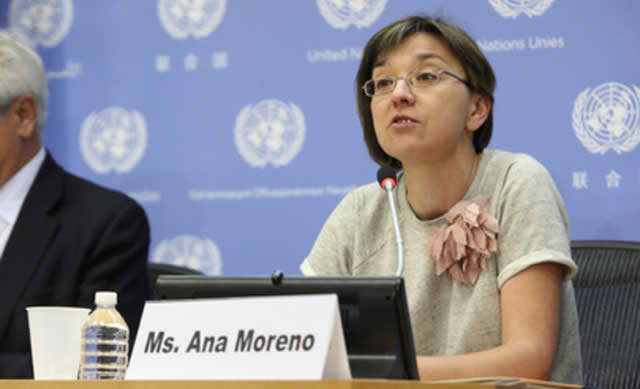
UNITED NATIONS. — Rapidly growing cities in Asia and Africa are driving the global trend towards urbanisation, says an UN-Habitat official. In a recent interview, Ana Moreno, chief of advocacy of the outreach and communications at the UN human settlements programme (UN-Habitat), told Xinhua: “I think the most important factor of why this century is increasing so fast in terms of urban people is especially (growth in) Africa and Asia.”
“Those two continents have seen an incredible increase of populations – cities that are doubling in numbers,” she said. Moreno said more than half of the world’s population now live in cities, but this percentage is expected to grow to 70 percent by 2050. Apart from an increase in overall population, urban growth was being driven by the economic and social opportunities available in cities. However, she said, it was important for cities to plan well ahead to ensure that they could provide services for new citizens.
In order for cities to plan to absorb growing populations, countries need to have a national urban policy, Moreno noted. “There are not so many countries that they have national urban policies,” she said. “But China has had that for a long time, they are fully aware about the relevance of their cities in the development of their country.”
One way that an urban growth policy can help is through ensuring that growth is not overly concentrated in a small number of large cities. “Intermediate (medium-sized) cities are key for the future,” she said.
“If that growth of the urban population…is happening only in the megalopolis or in the capitals it is going to be unsustainable, economically, environmentally, socially.” “If we are able to ensure that the intermediate cities are capturing part of that growth then we will be better prepared for the next 30 years when the (urban) population (will rise) to 70 percent,” she said.
According to Moreno, strategic planning could help cities address environmental, economic and social issues simultaneously. — Xinhua.



 Online Reporter