Online Reporter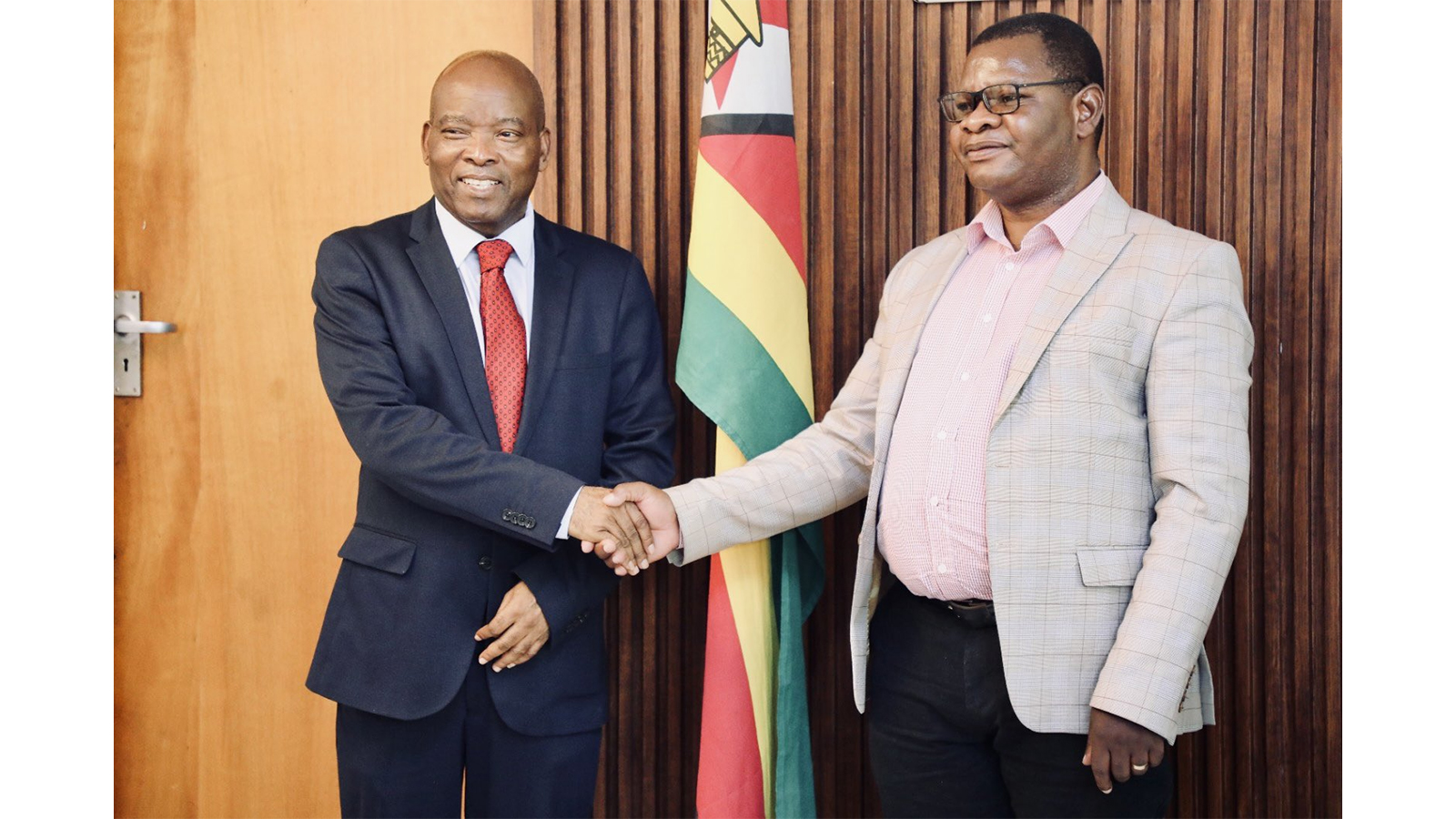
Precious Manomano-Herald Reporter
The African Union Commissioner for Agriculture, Rural Development, Blue Economy, and Sustainable Environment, Mr Vilakati Moses Malidane, has embarked on a critical visit to Zimbabwe aimed at bolstering fertiliser production in Harare.
With the continent facing increasing food security issues and a staggering annual expenditure of nearly US$100 billion on food imports, Mr Malidane’s discussions with key Government officials underscore the urgency of improving agricultural practices across Africa.
During a meeting with officials from the Ministry of Lands, Agriculture, Fisheries, Water, and Rural Development, Mr Malidane highlighted the pressing need for enhanced fertiliser application in Africa.
He noted that only about 10 countries on the continent utilise fertiliser at the recommended rate of 50 kilograms per hectare (kg/ha).
“One of the things that I have noted is that fertiliser applications in Africa, in general, are not meeting the expected standards,” he explained.
Mr Malidane’s visit to Zimbabwe comes at a time when the AU Commission is streamlining its projects to address critical issues within the agricultural sector.
He emphasised the importance of not only increasing the quantity of fertiliser produced but also ensuring its quality.
“It’s not just about the blending of the fertiliser, but ensuring that it’s of good quality,” he stated.
He raised concerns about potential discrepancies in fertiliser quality, warning that farmers might unknowingly use substandard products.
The Africa Centre for Fertiliser Development plays a vital role in ensuring that African farmers have access to high-quality fertilisers.
It is a regional intergovernmental organisation focused on research, technology transfer, training, and promoting best practices for fertiliser and soil health management in Africa.
The Centre’s objectives are to improve agricultural productivity through proper fertiliser use and to support the development of the fertiliser sector, rather than manufacturing fertiliser itself.
The Commissioner expressed his commitment to revitalising this facility as well as checking the quality standards of fertiliser.
Lands, Agriculture, Fisheries, Water and Rural Development Professor Obert Jiri pointed out that the country currently averages only 42 kg of fertiliser per hectare, a figure that is diminishing due to rising costs.
“Fertiliser accounts for 32 to 40 percent of the cost of production, driving up the prices of our produce and making us uncompetitive,” he noted.
This situation highlights the critical need for strategic interventions to reduce costs while improving fertiliser accessibility and quality.
As part of the visit, Mr Malidane and the officials will also assess village business units and conduct wheat assessments on various farms.
This hands-on approach aims to better understand local agricultural practices and identify areas for improvement.
The insights gained from these assessments will be instrumental in formulating policies that enhance fertiliser usage and overall agricultural productivity in Zimbabwe and the broader region.
The Commissioner’s visit to Zimbabwe is a pivotal step towards addressing the continent’s agricultural challenges.
By focusing on increasing fertiliser production and ensuring its quality, the AU aims to foster sustainable agricultural development in Africa. As the population continues to grow, the demand for food will only increase, making it imperative for African nations to adopt innovative solutions that enhance food security and reduce reliance on imports. The outcomes of this visit could have far-reaching implications for Zimbabwe’s agricultural sector and serve as a model for other countries facing similar challenges.