

 Online Reporter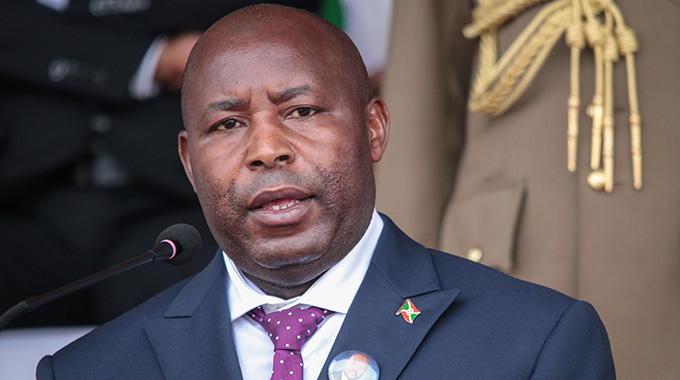
Herald Correspondent
BURUNDI President and African union chairman, Évariste Ndayishimiye, convened a high-level emergency meeting of African Heads of State and Government, the African union Commission, Africa CDC, the World Health Organisation, regional economic communities, partners and donors to accelerate the Ebola Bundibugyo response in the Democratic Republic of the Congo and Uganda.
President Mnangagwa participated in the meeting virtually.
The meeting mobilised US$910 million in pledges, including US$80 million committed by African member States.
Africa CDC welcomed the African commitments as a strong signal of continental solidarity, shared responsibility and African leadership in health security.
Leaders endorsed urgent action to mobilise and disburse the full US$518 million required for the Joint Continental Preparedness and Response Plan within the next four weeks.
The plan covers immediate response in affected areas and preparedness in at-risk countries, including surveillance, contact tracing, laboratory capacity, case management, infection prevention and control, risk communication, community engagement, logistics, medical countermeasures and cross-border coordination.
“Our people will not judge us by our declarations, but by our ability to interrupt transmission, protect health workers, restore community trust, and guarantee dignified care for affected families,” said President Ndayishimiye.
“The Ebola outbreak is a stark reminder that health security is a shared continental responsibility requiring urgent, coordinated and sustained action. We must strengthen national and regional response plans, enhance cross-border coordination, and scale up preparedness, surveillance and containment measures to prevent further transmission.
“I extend my deepest condolences to the families and communities who have lost loved ones, and I commend the affected member States, frontline health workers and emergency response teams for their dedication and professionalism. I also express my appreciation to African union member States, development partners and humanitarian organisations for their solidarity and support.”
AU Commission Chairperson Mr Mahmoud Ali Youssouf said the AU remains fully committed to working with all stakeholders to strengthen resilience, advance coordinated public health responses, and ensure that “no member State is left behind in addressing this shared challenge”.
Africa CDC Director-General Dr Jean Kaseya weighed in saying: “African countries have stepped forward with US$80 million in commitments. This matters.
“It shows that Africa is taking responsibility for its own health security while calling on partners to align behind one plan, one budget and one team.
“The priority now is speed. Every pledge must translate into financing, supplies, people and support reaching the communities and responders on the ground.”
WHO reaffirmed its full support to the affected countries and to the Africa CDC-led continental response, including through surveillance, contact tracing, laboratory support, case management, infection prevention and control, risk communication, community engagement and coordination with partners.
Said WHO Director-General Dr Tedros Ghebreyesus: “Under the leadership of DRC’s government and neighbouring nations, and with sustained regional and international support, we can defeat this Ebola outbreak, as we have with previous outbreaks.
“Strong cross-border cooperation among affected countries and neighbours will be critical for both the Ebola response and in addressing wider humanitarian needs.
“Even as we respond to this outbreak, we must also strengthen the essential health services people rely on for other pressing needs, including malaria, measles, malnutrition and safe childbirth.”
The meeting took place as the outbreak continues to place serious pressure on affected communities and response teams.
The most urgent gaps include contact tracing, supply availability, health worker protection, safe and dignified burials, treatment and isolation capacity, community engagement, and access to areas affected by insecurity and population movement.
Africa CDC warned that delayed action would increase both the human and financial cost of the response. If transmission is not rapidly contained, projected needs could rise from US$518 million to as much as US$1,5 billion.
The meeting identified contact tracing as a central containment priority.
Africa CDC and WHO will support affected and at-risk countries to reach at least 90 to 95 percent monitoring of all contacts through the full 21-day incubation period.
Current response reporting shows persistent gaps in contact follow-up, supply availability and operational access, which continue to constrain containment efforts.
The meeting called for intensified support to the DRC and Uganda to maintain and expand national response measures, including case finding, contact tracing, infection prevention and control, safe and dignified burials, treatment and isolation, and community engagement.
At-risk and neighbouring countries were urged to finalise and implement national Ebola preparedness and response plans, strengthen entry and exit screening, and share epidemiological data in real time across borders.
Countries and partners were also urged to avoid unnecessary travel or trade restrictions that are not grounded in public health evidence and international health regulations, and to ensure the continued movement of essential goods, samples, supplies and health responders.
Africa CDC welcomed CEPI’s commitment of more than US$60 million to accelerate the clinical development of vaccine candidates for the Bundibugyo strain.
The meeting called for African scientists, manufacturers, regulators and institutions to be full partners in research, development, regulatory pathways, technology transfer and future access arrangements.
The meeting further called on AU member States to join and operationalise the African Pooled Procurement Mechanism and support the African Medicines Agency as key platforms for faster access to medical countermeasures and stronger African health sovereignty.
Africa CDC will lead a weekly commitment tracker to monitor pledges, disbursements, medical countermeasures, technical assistance, deployed personnel, delivered supplies and remaining operational gaps. This tracker will support transparency, accountability and faster delivery against the Joint Continental Preparedness and Response Plan.
The High-Level Meeting concluded with a clear call to governments, partners, donors, financial institutions, philanthropies and the private sector: move from pledges to disbursement, from commitments to delivery, and from plans to action in the communities carrying the burden of this outbreak.
Africa CDC remains fully engaged and deployed alongside affected and at-risk countries. The institution will continue to provide regular updates to Member States and partners on the epidemiological situation, operational priorities and resource gaps.



