Online Reporter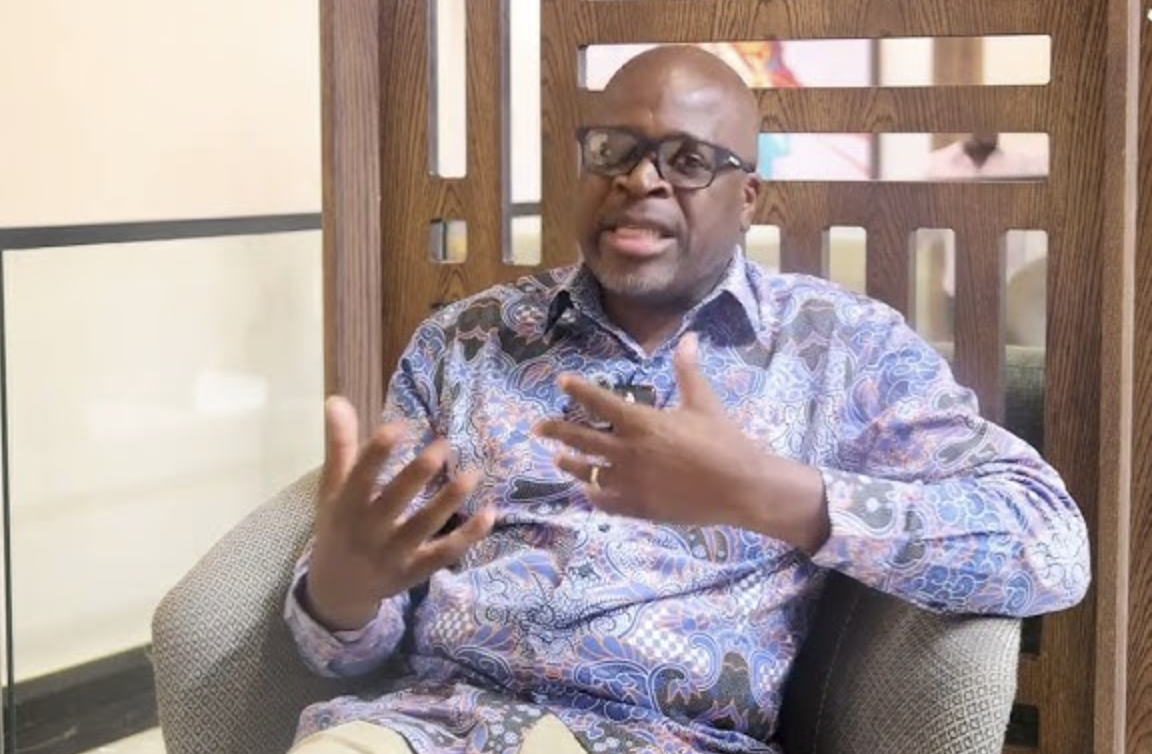
Ellina Mhlanga-Zimpapers Sports Hub
THE African Union Sports Council Region 5 have deferred the implementation of the qualifying standards for this year’s edition of the Youth Games to give sufficient time for the establishment of appropriate qualification periods.
The AUSC Region 5 Youth Games are a biennial event held on a rotational basis within the 10-member countries — Angola, Botswana, Eswatini, Lesotho, Malawi, Mozambique, Namibia, South Africa, Zambia and Zimbabwe.
In a move expected to elevate the competitiveness of the Games, the AUSC Region 5 announced the introduction of qualifying standards late last year.
The region had targeted implementing the standards starting with this year’s edition to be hosted by Mozambique in Maputo from December 4 to 13.
In an interview with Zimpapers Sports Hub recently, AUSC Region 5 chief executive Stanley Mutoya revealed they have deferred the implementation to 2028.
“The decision was taken to provide sufficient time for the establishment of appropriate qualification periods across the various sport codes and to allow member countries that did not previously have National Youth Games to establish them as part of the qualification pathway.
“The system will be fully implemented from the 2028 Games onwards,” said Mutoya.
“We are particularly encouraged that Lesotho, Malawi, Zambia and Eswatini have now introduced National Youth Games.
“This is an important development towards strengthening the regional athlete development pathway and creating a sustainable qualification system for future editions of the Region 5 Youth Games.”
The National Youth Games are part of the four qualifying events.
The other three are sport-specific national championships, national schools’ championships and regional sport-specific championships.
In Zimbabwe, the National Youth Games returned last month after a six-year hiatus.
“The principal consideration was the limited timeframe available to establish fair and adequate qualification periods across all participating sport codes.
“We also recognised that the qualification framework is closely linked to National Youth Games, which are intended to serve as the primary qualification platform for the Region 5 Youth Games.
“It was, therefore, important to give member countries sufficient time to establish or strengthen their National Youth Games structures.
“The deferment consequently provides a more equitable transition period and ensures that, when the system is fully implemented, all member countries have had reasonable opportunity to align their national pathways with the regional qualification framework,” added Mutoya.
The implementation of the standards is expected to have ripple effects affecting not only the standard and quality of performance, but also areas such as infrastructure and development programmes at the national level for its 10-member countries.
Mutoya underscored the importance of the qualification system in their long-term strategy for improving the quality and competitiveness of the Region 5 Youth Games.
“The 2026 edition should, therefore, be viewed as a transition period that allows member countries and Regional Sports Confederations to put the necessary structures and qualification pathways in place.
“At this stage, there are no changes to the approved approach.”
National Youth Games will serve as the primary qualification pathway to the AUSC Region 5 Youth Games.
The respective Regional Sports Confederations will be responsible for developing and issuing the applicable qualifying standards for their sport codes.
Mutoya believes this approach will strengthen the link between national and regional competition.
And encourage countries to invest in sustainable youth development systems and ensure that athletes progress through a clear and structured pathway to regional competition.
On the forthcoming edition, Mutoya said they are pleased with Mozambique’s progress towards hosting the Games.
“The majority of the competition and supporting facilities are already in a usable state, requiring little or no major refurbishment.
“The focus is, therefore, increasingly shifting from infrastructure to the critical operational aspects of Games delivery.
“Overall, preparations are progressing well,” Mutoya said.
“The priority over the remaining period is to maintain momentum, close the outstanding operational gaps and ensure that every functional area is fully ready for the Games in December.”