


malvernmugadzikwa
- businessweekly
- September 30, 2022
- 153 views
New 3.0 CSL most expensive BMW ever?
Munich. — Rear-wheel drive. Manual transmission. More than 400kW. These are just some of the things you can expect from the new BMW 3.0 CSL, at least if the latest…
- businessweekly
- September 30, 2022
- 87 views
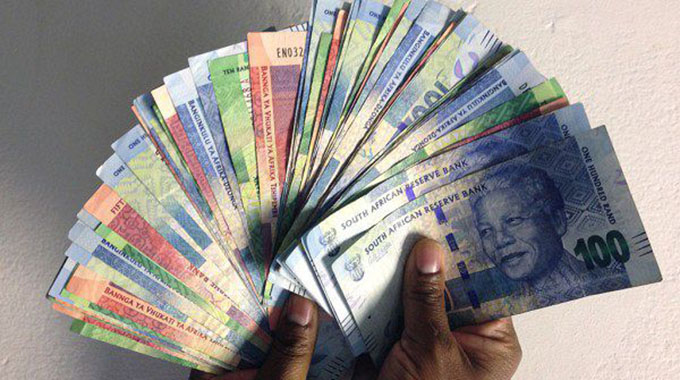
Managing interest rate hikes
The governor of the South African Reserve Bank recently announced an increase in the lending rate by 75 basis points. This means the repo rate (the rate at which the…
- businessweekly
- September 30, 2022
- 50 views
German Chancellor Olaf Scholz set out a 200 billion euro (US$194 billion) “defensive shield”, including a gas price brake and a cut in sales tax for the fuel, to protect companies and households from the impact of soaring energy prices. Europe’s biggest economy is trying to cope with surging gas and electricity costs caused largely by a collapse in Russian gas supplies to Europe, which Moscow has blamed on Western sanctions following its invasion of Ukraine in February. “Prices have to come down, so the government will do everything it can. To this end, we are setting up a large defensive shield,” said Scholz. Under the plans, to run until spring 2024, the government will introduce an emergency price brake on gas, the details of which will be announced next month. It is scrapping a planned gas levy meant to help firms struggling with high spot market prices. A temporary electricity price brake will subsidise basic consumption for consumers and small and medium-sized companies. Sales tax on gas will fall to 7 percent from 19 percent. In its efforts to cut its dependence on Russian energy, Germany is also promoting the expansion of renewable energy and developing liquefied gas terminals. To help households and companies weather any winter supply disruption, especially in southern Germany, two nuclear plants previously due to close by the end of this year will be able to keep running until spring 2023. Industry groups welcomed the package. “This is important relief,” said Wolfgang Grosse Entrup, head of the VCI chemicals association. “Now we need details quickly, as firms increasingly have their backs to the wall.” The package will be financed with new borrowing this year, as Berlin makes use of the suspension of a constitutionally enshrined limit on new debt of 0,35 percent of gross domestic product. Finance Minister Christian Lindner has said he wants to comply with the limit again next year. Lindner, of the pro-business Free Democrats (FDP) who share power with Scholz’s Social Democrats and the Greens, said on Thursday the country’s public finances were stable. “We can put it no other way: we find ourselves in an energy war,” said Lindner. “We want to clearly separate crisis expenditure from our regular budget management, we want to send a very clear signal to the capital markets.” He also said the steps would act as a brake on inflation, which hit its highest level in more than a quarter of century in September. Opposition conservative Markus Soeder, premier of the southern state of Bavaria, said the steps gave the right signal. “It gives industry and citizens confidence that we can get through the winter,” he said. — Reuters
German Chancellor Olaf Scholz set out a 200 billion euro (US$194 billion) “defensive shield”, including a gas price brake and a cut in sales tax for the fuel, to protect…
- businessweekly
- September 30, 2022
- 81 views
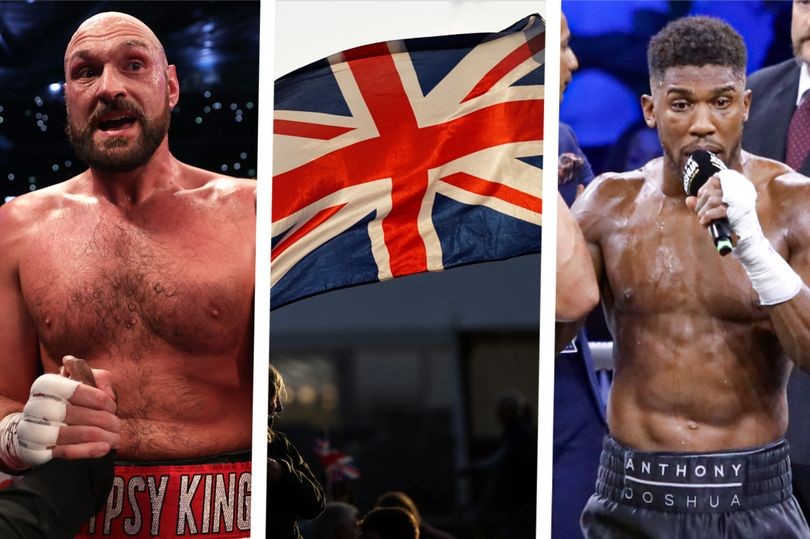
Fury vs Joshua planned fight now off
Tyson Fury and Anthony Joshua were in talks for a fight in 2022 at the Principality Stadium in Cardiff but the all-British blockbuster bout looks to be off. The fight…
- businessweekly
- September 30, 2022
- 77 views
Ornithology of monetary policy
Since ancient times, doves have symbolised peace and hawks aggression. During the Vietnam War, “hawks” became a widely used term to describe those who argued for increased military intervention, whereas…
- businessweekly
- September 30, 2022
- 75 views
UAE to continue supplying oil, gas globally
The United Arab Emirates will continue to supply the world with energy for as long as it needs it, its Minister for Climate Change and Environment Mariam Almheiri said in…
- businessweekly
- September 30, 2022
- 92 views
Whither African peasant?
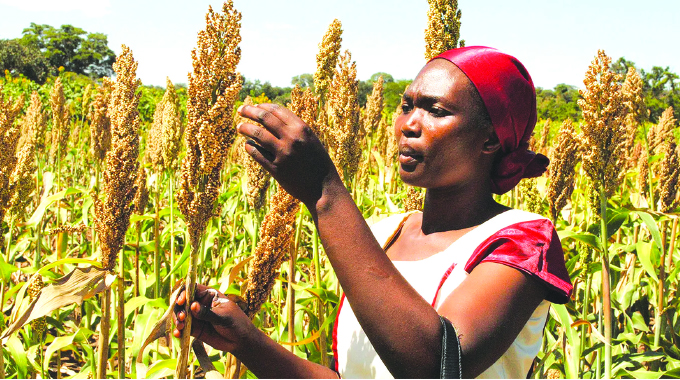
Clifford Shambare This is Part Two of Whither African peasant?. We ended Part One by beginning to consider the part played by private companies in the agriculture industry. In this…
- businessweekly
- September 30, 2022
- 91 views
Power shedding takes toll on firms
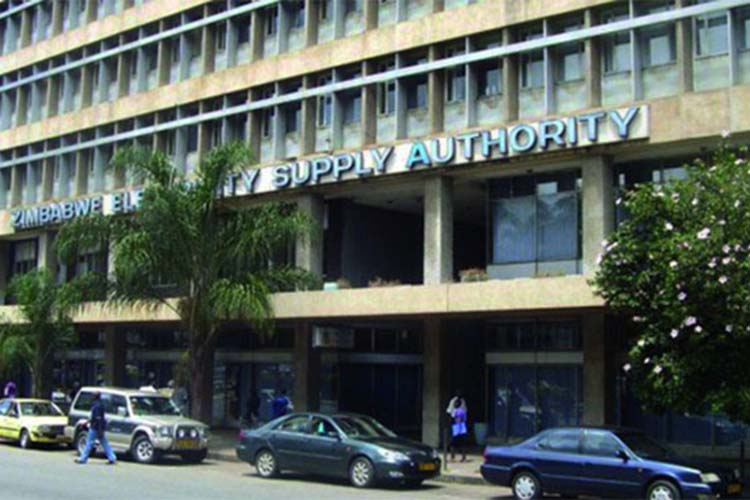
Oliver Kazunga Production in some companies has taken a major knock amid reports it has declined by 30 percent due to the current power outages that have gone beyond the…
- businessweekly
- September 30, 2022
- 82 views
Fresh risks from global slowdown for China
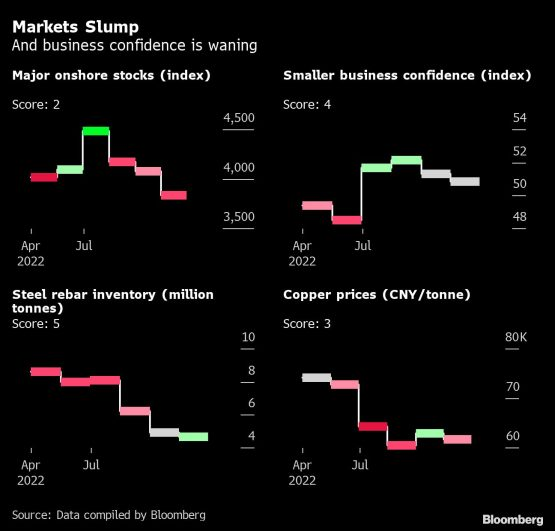
China’s shaky recovery continued in September, with a pickup in car and homes sales in the biggest cities compensating for weaker global demand and falling business confidence. That’s the outlook…

- businessweekly
- September 30, 2022
- 100 views
African companies hedge against local currency weakness with stablecoins
A new frontier has been opened in Africa for the use of stablecoins, which are blockchain-based “tokens” backed by stable assets, such as the US dollar, euro or even gold.…