

 Chronicle Editor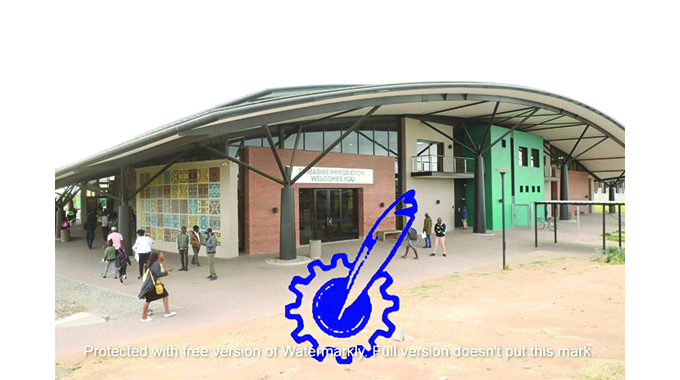
Thupeyo Muleya, Beitbridge Bureau
THE automation of services and separation of traffic has helped address efficiency gaps at the transformed Beitbridge border post where commercial cargo is now being cleared under three hours compared to more than 24 hours in the last decade.
Zimborders Consortium general manager, Mr Nqobile Ncube, said under the current set up they were now able to clear the bulk of the commercial cargo arriving at Beitbridge on time.
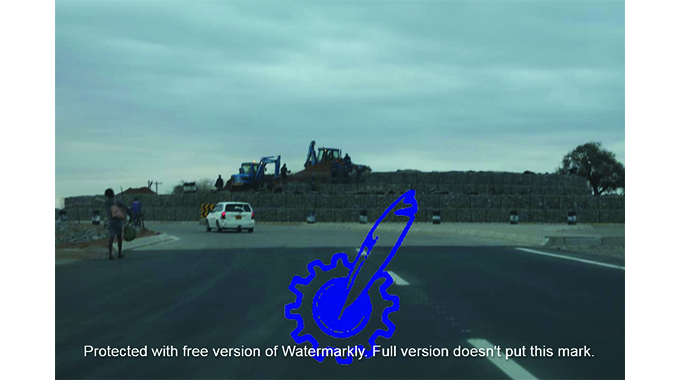
He said they were working on clearing at least 90 percent of the cargo traffic upon completion of all three border terminals by the end of November this year.
Government and the Zimborders Consortium are transforming the country and Sadc’s busiest inland port at a cost of US$300 million under a private-public partnership (PPP) arrangement.
The Government has provided land and technical advice for the project that has three main terminals including the freight, bus, and light vehicles terminal.
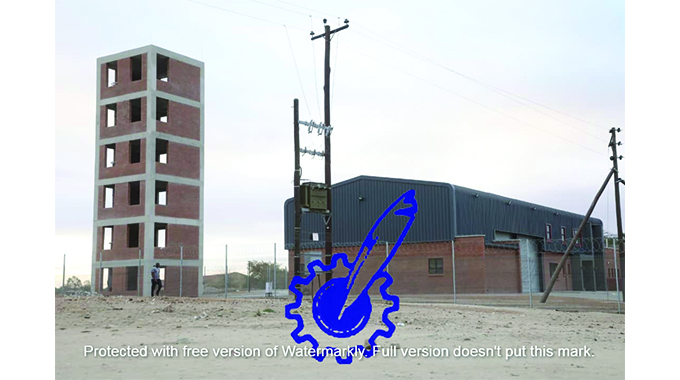
This comes with five major out-of-port works, which include construction of a 12 million mega-litters water reservoir, a new fire station, 220 houses for civil servants, the construction of an animal plant and quarantine and upgrading of sewer reticulation facilities.
So far, the freight and bus terminals are complete and have been opened to traffic while work on the last in-land port works is underway and set for completion in November.
“Ideally the border post is being transformed under three main pillars, which include separation of traffic, automation and building efficiencies,” said Mr Ncube.
“There was a need to create traffic separation. You will recall that in the old border setup, all stakeholders were piled up in one hall.
“This includes commercial traffic, ordinary travel, buses, light vehicles, and tourists. Despite your different needs you would be lumped in one setup and be treated in the same way. That created a problem in services delivery.”
Mr Ncube said with the creation of the three terminals border authorities were now offering customized services to each type of traffic and the plan was bearing fruits.
He said following the automation of services, human interface between border authorities and clients that creates room for rent-seeking activities was gradually being eliminated.
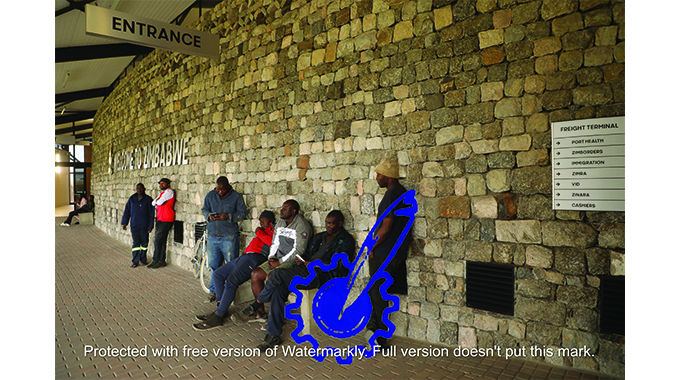
Mr Ncube said automation has empowered border authorities to electronically audit their processes and take corrective measures where necessary.
“Automation has enabled most border agencies to use the single window system that simplifies processes and cuts red tape at the border,” he said.
A truck driver, Mr Sherman Gadzira said they were happy with the new state of affairs at the border where most of them were spending less than three hours to complete all the border formalities.
“Automation of services and separation of traffic has made the border post user friendly. We are now spending less time at the border,” said a regular traveller, Miss Evelyn Lunga.
A customs’ clearing agent, Mr Edward Daka, said their job had been made easy as they were accessing most services online rather than crossing the border to either South Africa or Zimbabwe to collect documents.
Services like road reporting and the generation of manifests can now be done from the comfort of their offices. – @tupeyo.



 Blessing Chizhande
 Online Reporter