Online Reporter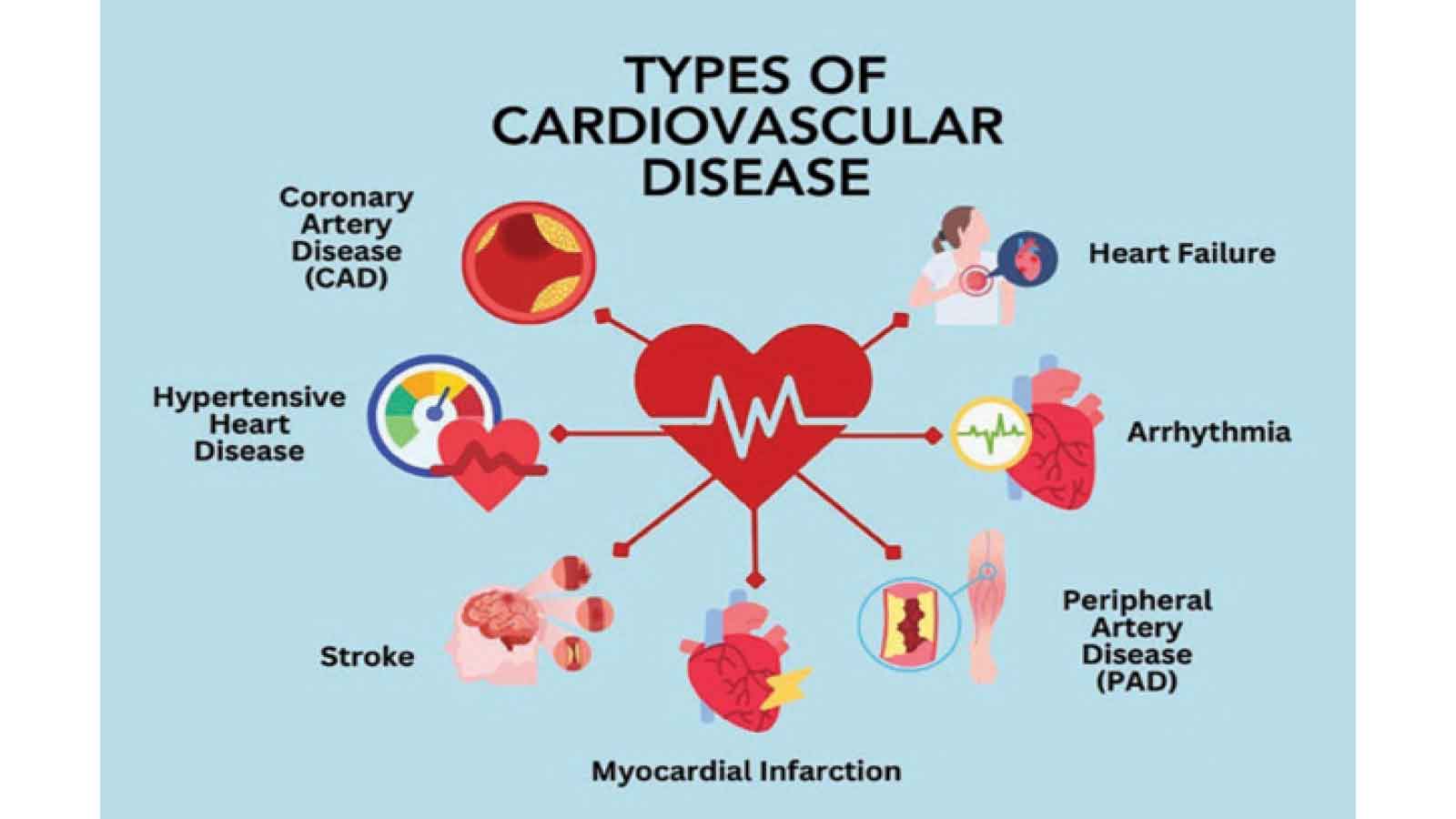
Rumbidzayi Zinyuke-Health Buzz
THE rhythm of life is measured by the heartbeat, a simple, constant pulse that sustains us from our first breath to our last.
Yet, across the world, thousands of lives are cut short every year because that steady beat is disrupted by heart disease.
Cardiovascular diseases (CVDs), which include conditions such as heart attacks, strokes, hypertension-related complications and rheumatic heart disease, are no longer distant medical issues reserved for older adults in wealthy nations. They are urgent public health concerns with deep social and economic consequences, especially in low- and middle-income countries like ours.
Globally, the burden of heart disease is staggering. Recent data indicate that nearly one in every three deaths worldwide, approximately 19,8 million annually, is caused by cardiovascular conditions, with heart attacks and strokes accounting for roughly 85 percent of these fatalities.
What makes this trend even more concerning is that about 80 percent of these deaths occur in low- and middle-income countries, where health systems often struggle with limited resources and fewer trained specialists.
In Zimbabwe, the story mirrors these global realities. According to estimates from the World Heart Federation, more than 20 000 Zimbabweans died from cardiovascular diseases in 2021 alone. That equates to an age-standardised mortality rate of about 370 deaths per 100 000 people, a figure that is high by global standards and reflects both the prevalence of risk factors and gaps in health system readiness.
Heart health is influenced by a complex interplay of behavioural, environmental and biological factors. High blood pressure, often called the ‘silent killer’, leads the pack of risk factors and its prevalence in Zimbabwe is alarmingly high. Nearly half of the country’s women (46,4 percent) and over one-third of men (36,9 percent) are estimated to have hypertension, a major contributor to strokes, heart attacks and heart failure.
Underlying these numbers are everyday choices and environmental conditions that many Zimbabweans contend with. These include diets high in salt and unhealthy fats, rising obesity rates, tobacco use, harmful levels of alcohol consumption and a lack of physical activity.
These are not merely personal challenges but reflections of broader social and economic trends, including urbanisation, changing food systems and limited access to preventive health services.
What’s more, conditions like rheumatic heart disease still affect children in settings where poverty and limited access to early treatment persist. The disease develops from untreated streptococcal infections in childhood, leading to chronic and potentially fatal damage to heart valves.
Behind every statistic is a family disrupted, a career cut short and a community that feels the loss. Heart disease doesn’t just kill, it incapacitates. Survivors of heart attacks or strokes may face long, expensive recoveries and may never regain the same level of independence. For working adults, this can mean loss of income and heightened financial strain on families already coping with other hardships.
In Zimbabwe, while the country has made progress in rolling out open heart surgeries in public hospitals, the shortage of specialised care compounds the problem. Statistics show that the country has just a handful of cardiothoracic surgeons, professionals trained to manage complex heart conditions, limiting access to advanced interventions.
Why does awareness matter?
Because the first step toward meaningful change is awareness. Heart disease is often silent in its early stages. Many people walk around with high blood pressure or elevated cholesterol without any symptoms until a catastrophic event, like a heart attack, occurs.
Regular health screenings can detect these risk factors early, enabling lifestyle changes or medical interventions that dramatically reduce risk.
Equally important is understanding that while some risk factors like age and genetics cannot be changed, many others are within our control. Simple habits such as reducing salt intake, eating more fruits and vegetables, engaging in regular physical activity, avoiding tobacco and limiting alcohol can have powerful protective effects on the heart.
For families, knowing the signs of heart trouble, chest pain, sudden shortness of breath, persistent fatigue, dizziness or fainting, and seeking prompt medical attention can be lifesaving. Awareness campaigns and community education are vital tools in shifting perceptions around heart health from passive acceptance to proactive care.
Addressing heart disease effectively requires more than individual action; it demands systemic investment.
Zimbabwe’s health system must prioritise cardiovascular health by strengthening primary care services, expanding access to essential medications like anti-hypertensive and cholesterol-lowering drugs, and training more health workers in early detection and management of heart conditions.
Prevention should be at the forefront of any national strategy. Research from across the African region suggests that many cardiovascular deaths result from modifiable factors, meaning that robust public health initiatives could prevent a large proportion of cases. Schools, workplaces and community organisations can all play a role in promoting healthier lifestyles and supporting people to make heart-smart choices.
Moreover, investment in emergency response systems, ensuring that ambulances, diagnostic tools and trained personnel are available, can improve outcomes for people suffering from acute cardiac events.
In communities across the country, local leaders, health workers and educators can spark change by encouraging routine health checks, organising fitness and healthy eating programmes, and supporting people to quit smoking.
Churches, youth groups and sports clubs can also be powerful platforms for spreading heart-health messages that resonate culturally and socially.
Partnerships with civil society, the private sector and international organisations can also bring additional resources and expertise, helping to scale up efforts and ensure that heart health is not just a medical concern but a national priority.
The heart of the matter is clear: cardiovascular diseases are a pervasive and preventable threat. They claim millions of lives globally and thousands at home every year. But knowledge and the actions it drives, offers hope. Early detection, healthier living, community support and stronger health systems can turn the tide.
Heart health is not something that happens in distant hospitals or beyond the reach of ordinary people. It is shaped by the choices we make every day, what we eat, how we move, how we care for our bodies and how we look out for one another.
By becoming advocates for our own hearts and for the health of our communities, we can help ensure that more Zimbabweans live longer, fuller lives, with strong hearts that beat to the rhythm of hope.
Feedback: [email protected]