dyton mupawaenda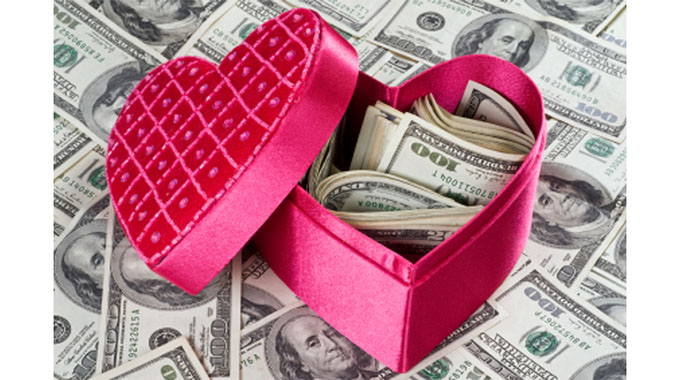
Laina Makuzha-LOVE by DESIGN
I was listening to young people discussing relationships and there seemed to be disagreement on certain practices and demands of relationships,which inspired this week’s article.
As relationship dynamics evolve with time, adapting to societal changes and shifts in gender roles, some couples are choosing to do things that appear alien and unreasonable to others.
One such aspect that has gained some attention in recent years is the concept of the “bae allowance”.
In this edition we explore the meaning, origin, and implications of this practice, while also exploring why it may not be a suitable approach in a modern world that champions equal opportunities for men and women.
In researching its origins from different sources one will find the term bae allowance refers to an informal agreement in which one partner provides financial assistance to the other, often referred to as the “bae,” to cover personal expenses or enhance their overall lifestyle.
The idea may seem noble at face value especially to those who support it, but it has been abused by some in demanding unrealistic allowances, thereby causing much frustration and turmoil in many relationships.
The concept originated from the idea of a traditional allowance that a spouse or partner would provide, typically in a male-to-female dynamic. However, it has evolved to encompass various relationship types and gender combinations which we are not covering in this article.
How it works
In the context of the bae allowance, one partner assumes the role of the provider, offering regular financial support to their significant other. This assistance can range from covering bills, rent, or even financing luxurious purchases and experiences.
The underlying assumption here is that the provider possesses more financial means and utilises this power to create a sense of security or luxury within the relationship.
Historically, the bae allowance is believed to have been predominantly claimed by women in relationships where they perceive their partners to be more financially stable.
This aligns with traditional gender roles where men were often the primary breadwinners.
The allowance served as a means to ensure financial stability for women, or the partner, allowing them to enjoy a desired lifestyle or to meet their basic needs without having to solely rely on their own income.
A misfit in the modern world perhaps? If truth be told while the bae allowance may have been acceptable or necessary in the past, it appears to clash with the principles of equality and empowerment that define the modern world.
In an era where women strive for equal opportunities, financial independence, and challenging outdated norms, the idea of one partner being economically subservient to the other does not align with the values of an evolving society.
The question then is does the practice promote love and healthy relationships or does it work against them?
Equal opportunities and individuality:
In today’s world, there are louder calls for partnerships to be built on equality, mutual respect, and shared responsibilities. Whether this works or not, is a story for another day.
One could argue that the bae allowance perpetuates gender stereotypes and undermines the efforts of women who seek individual financial success.
In its barest form, this allowance concept bears the dangers of appearing to reinforce an archaic idea that assumes women are dependent and cannot achieve financial independence on their own.
This is of course absolutely open to further scrutiny and interrogation. Together we can find answers that help relationships work better.
Striving for a balanced Relationship is the way to go in my view. Rather than resorting to the bae allowance, modern relationships could focus on fostering equal opportunities, supporting one another’s career growth, and sharing financial responsibilities.
In these times of global economic woes, it’s only fair that where applicable, both partners should contribute to household expenses and work towards financial independence, eliminating the need for one partner to rely solely on the other for financial support.
As our society continues to progress towards equality, it is essential to reconsider some practices such as the bae allowance.
While it may have had its place in past eras, in a modern world where women seek equal opportunities and strive for independence, the bae allowance can hinder personal growth and the establishment of healthy, balanced relationships for those who care.
Ultimately, creating an environment that encourages shared responsibilities and mutual empowerment is the key to building strong and fulfilling partnerships. I covet your views, experiences or just your comments on this topic.
Feedback: WhatsApp: +263719 102572/Email: [email protected]


 Online Reporter