Online Reporter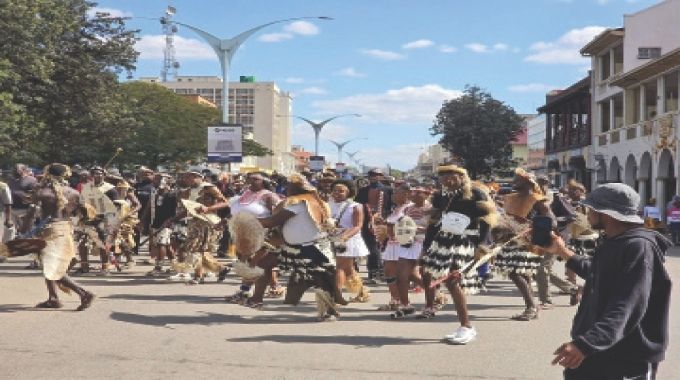
Langalakhe Mabena, [email protected]
THE 2026 Bulawayo Arts Festival (BAF) ended on Saturday after five days of music, poetry, culture and community activities that once again showcased the strength and growth of Bulawayo’s creative sector.
Held from June 2 to 6 under the theme “Building Bridges, Preserving Connections”, this year’s festival turned the City of Kings into a lively centre of artistic activity, bringing together performers, creatives, audiences and community groups from different backgrounds.
The festival once again highlighted why BAF has grown into one of Zimbabwe’s most important arts and culture platforms.
From the opening gospel concert to the closing Tshibilika/Rhumba Concert, the event gave local artistes valuable platforms to showcase their talent while allowing audiences to enjoy the diversity of Bulawayo’s arts scene.
The festival began with the Praises Go Up Gospel Extravaganza, which brought together gospel musicians and worship teams in a celebration of faith and music. Besides entertainment and spiritual upliftment, the event also highlighted the growing commercial and cultural value of gospel music in Zimbabwe.
For many gospel artistes, it was a rare chance to perform before a large audience while connecting with fellow musicians and industry players.
“It was a great honour for us gospel musicians to finally have our own event at BAF. This is a great sign that the gospel industry in Bulawayo is fast growing, and we’ll do all we can to keep the fire burning, just like we did at the show,” said Nkosi Herman, who performed at the concert.
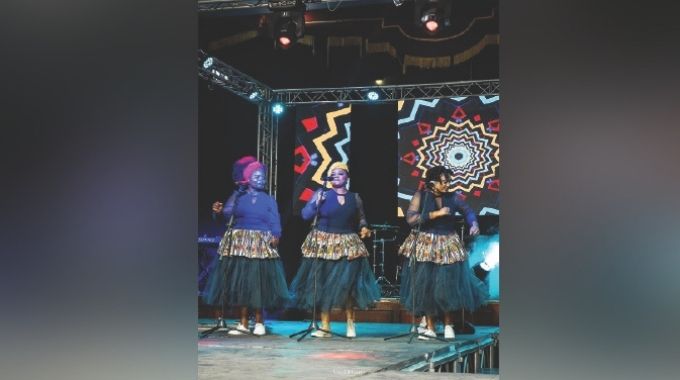
Another major attraction was the Kings and Queens Concert, which featured some of Bulawayo’s well-known performers, including Mzoe 7, Bhila, Mandie Mae, Macala, Matojeni Melo-Maniacs, MJ Sings and Phathi Ncube.
The concert celebrated local talent and showed the depth of artistic ability within the city.
For emerging artistes, the show offered more than just stage time. It became an opportunity to build confidence, grow audiences and learn from established performers.
Macala, who performed at BAF for the first time, said the experience had inspired him as a young artiste.
“This was my first time performing at a major event. I’m grateful to BAF organisers for giving me such a challenging opportunity, which opened my eyes in many ways. I’m heading to Germany for the Moto Moto Festival very soon, and the BAF experience has given me the courage to believe in myself on stage. I’m now more confident in my live performance,” he said.
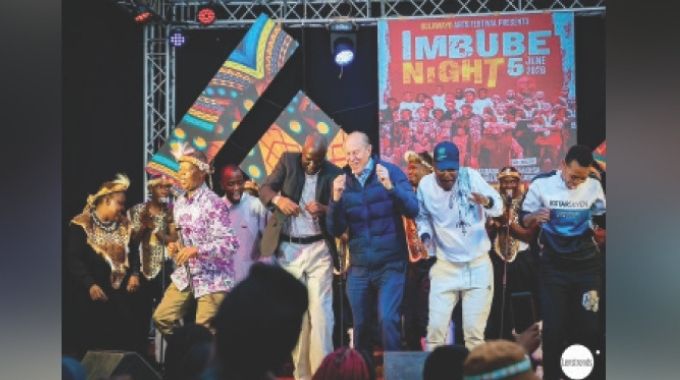
The festival also celebrated one of Bulawayo’s oldest and most respected music traditions through Imbube Night.
The event featured legendary groups and performers including Black Umfolosi, Amaqaqa, Indosakusa The Morning Star, Udonsi LwabaPostoli and Great Stars Ijongosi.
At a time when many traditional art forms are struggling to attract younger audiences, the event served as an important reminder of the need to preserve indigenous culture and music.
Young people were given an opportunity to experience a genre that has shaped Bulawayo’s cultural identity for generations.
Black Umfolosi founder and director Sotja Moyo said the mix of veteran performers and younger artistes was important for the future of Imbube music.
“Imbube music is our identity, and this is a sound that must be cherished because it was passed from one generation to another. As a veteran in the genre, I’m happy that I performed with the young generation. Black Umfolosi itself is now dominated by young people, and I also saw great energy from Udonsi LwabaPostoli.
“My best highlight was seeing Mayor David Coltart and other young people joining Amaqaqa on stage as they performed Juba Lakhwel’imota. I felt unity and pride as different generations enjoyed Imbube music together,” said Moyo.
The festival closed with the Tshibilika/Rhumba Concert at White City Stadium, featuring Godolude, Phikisani Super Sounds, Maqedimbuzi, Boyoyo and several other performers.
The concert celebrated rhumba music, a genre deeply connected to Bulawayo’s township culture and nightlife.
More than 1 000 fans attended the show, reflecting growing interest in locally driven entertainment events following the success of the concert’s debut edition last year.
Beyond entertainment, the festival also created business opportunities for musicians, sound engineers, vendors, event planners and other people working within the arts sector, underlining the economic value of the creative industry.
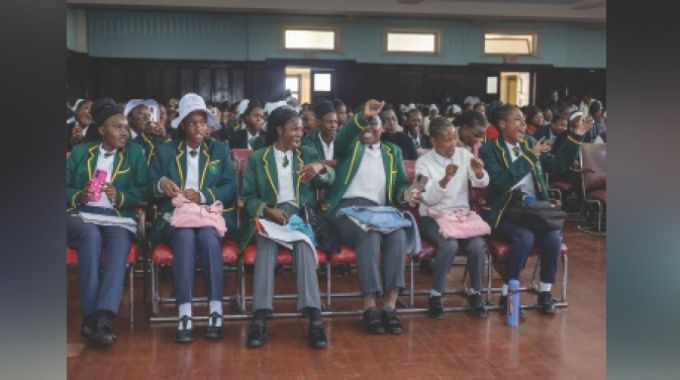
This year’s festival also focused strongly on youth development through workshops, school poetry sessions and community engagement programmes.The activities created spaces for learning, skills development and artistic experimentation for young creatives.
Celebrated teacher and theatre practitioner Thabani Hillary Moyo, director of the Centre for Talent Development (CTD), said partnering with BAF was important because of the festival’s strong youth following.
“BAF has always been one of the festivals we looked forward to partnering with because it attracts a lot of young people who are our target market. We hosted performance-based workshops under the festival, which attracted a large number of Ordinary and Advanced Level candidates preparing for final exams.
“We also presented a poetry session led by celebrated teacher Alex Mangoro, equipping students with skills to tackle examination questions. We hope learners had a meaningful BAF experience and gained skills for their future,” said Moyo.
A Music Business Workshop led by veteran hip-hop figure Naboth Rizzla was also held at Stanley Hall, helping artistes better understand the changing dynamics of the music industry.
Another session, the SOCREATIVE Workshop organised in partnership with the British Council, trained creatives on how to monetise their talent and build sustainable careers.
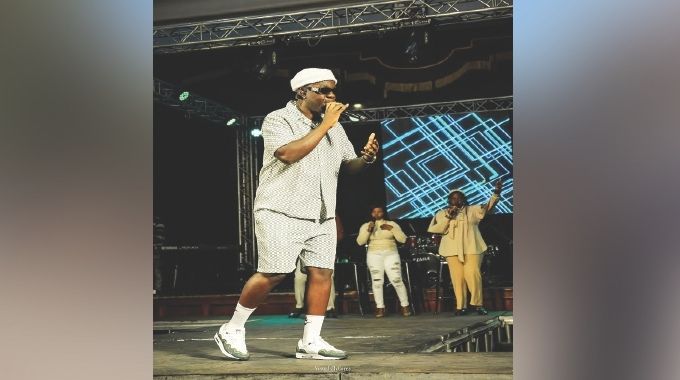
“The workshops equipped us with essential skills for navigating an increasingly competitive creative industry. I am grateful to have been part of these initiatives,” said musician Mzoe 7.
Archford Hadebe of DAB Three Events, which partnered with BAF on the Kasi2Kasi Finale, said they appreciated the opportunity to provide technical services and support the growth of Bulawayo’s arts industry.
However, theatre fans were left disappointed after no theatre productions were staged during the festival. Siyaya and Sabela Productions had been expected to perform their acclaimed musical The Zambezi Express at Stanley Hall, but the shows were cancelled at the last minute.
Despite the setback, the city spent five days alive with music, ideas, culture and storytelling.
The excitement and enthusiasm seen throughout the festival showed that Bulawayo’s creative industry continues to grow in confidence and influence.
More importantly, BAF 2026 highlighted the importance of investing in the arts not only for cultural preservation, but also for economic growth, youth development and community building.
For many creatives, the festival was more than entertainment — it was a chance to learn, network and grow their careers.