Online Reporter
Stephen Mpofu, Perspective
AS the rainy and cropping season approaches, some villagers in Mberengwa district, Midlands Province, are preparing to dig their fields with hoes for planting. This shift in method comes as a result of losing large numbers of cattle — traditionally used for draught power — to the January tick disease, which has left some watering pans virtually empty. The loss of livestock has forced many to rely on manual labour, a stark reminder of the challenges rural communities face when animal health crises strike.
However, Midlands provincial veterinary officer Dr Martin Sibanda, speaking from his Gweru offices yesterday, offered a measure of reassurance. He confirmed that the tick-borne disease, which had claimed significant numbers of cattle during the summer when ticks are most aggressive, has now been brought under control.
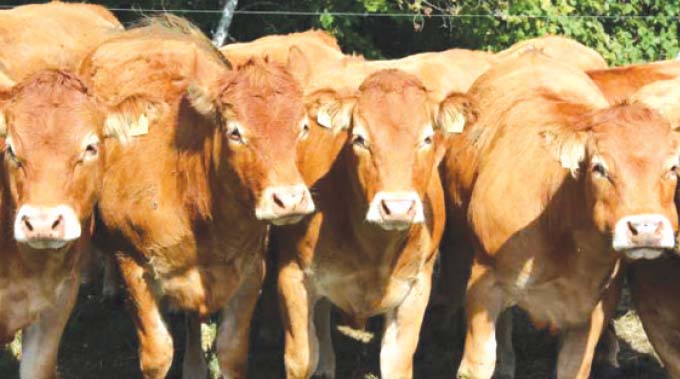
Fewer cattle deaths are being recorded, although challenges persist in dry areas where water shortages hinder effective dipping of livestock. In such regions, the cost of pour-on medication remains prohibitively high for many villagers, making disease prevention difficult without access to dipping facilities.
Dr Sibanda criticised individuals who travel across the country spreading alarmist information about cattle disease outbreaks. He condemned those who encourage desperate livestock owners to sell their animals at giveaway prices, a situation that unscrupulous butcheries are quick to exploit. Such misinformation not only undermines veterinary efforts but also deepens the economic vulnerability of affected communities.
With the nation now focused on boosting food production to reduce reliance on costly imports, there is a pressing need for authorities to consider allocating tractors at subsidised rates to areas where villagers have lost their draught power. Without such support, hunger may erode public confidence in those entrusted with leading the country. Ensuring food security must go hand in hand with restoring agricultural capacity in disease-stricken regions.
Accurate information about livestock health is essential in times like these. When rumours outpace facts, panic sets in and people make decisions that often worsen their situation. It is therefore vital for local leaders and veterinary officers to maintain open lines of communication with villagers, ensuring that communities are well-informed and protected from exploitation.
The Government’s guiding principle — Nyika inovakwa nevene vayo/ Ilizwe lakhiwa ngabanikazi balo/ A country is developed by its owners — should be actively applied to support those affected by cattle disease and drought. No one should be left behind in the national development agenda, especially those whose livelihoods depend on agriculture and livestock.