admin
adminBanks and other financial institutions have been reluctant to fund especially the new farmers citing lack of collateral. The new farmers who were allocated, in some cases, virgin land under the land reform programme have as a result not been able to use the land productively. The decision by the Government to come up with bankable leases should therefore bring a new dimension to productivity on the farms.
According to a story we carried yesterday, under the new arrangement resettled commercial (A2) farmers who were allocated farms with improved infrastructure will pay up to $90 000 to the Government for them to get the bankable 99-year leases. The improved 99-year lease agreements are being crafted by the Government in consultation with the Bankers’ Association of Zimbabwe. The money for infrastructure which ranges from $13 000 to $90 000 depending on the development on a given farm, will be paid over 25 years.
The new arrangement will enable farmers to obtain loans from banks and other financial institutions to finance their farming operations. This should boost productivity on the farms thereby unlocking value in the agricultural sector. The new farmers have over the years depended on limited support from the Government which has been funding such schemes as the farm mechanisation programme and the inputs scheme.
Government, it has to be appreciated, has many competing priorities and among its top priorities is funding social services such as providing health services, education and other such services. The Government’s involvement in agriculture should therefore be confined to putting up major infrastructure, the allocation of land, facilitation of marketing of farm produce and other such major services that individual farmers cannot, on their own, carry out.
The move to issue out bankable leases should separate real farmers from “just proud” owners of land who have over the years been content with taking their friends out during weekends to admire the size of the land they own and the infrastructure they inherited from the previous owners without producing anything. The unproductive farmers who have been hiding behind lack of finance will now be exposed.
We have said it before that land is a finite resource and as such only those that are committed to putting it to good use should apply for land. It is a fact that not every Zimbabwean can be a farmer so the land should therefore be reserved for those individuals that have chosen farming as a career.
Farming is business and those who have chosen to be farmers should understand that it is a must for them to contribute to the growth of the national economy. Government should move swiftly to conduct a land audit so that it can weed out opportunists who were allocated land.
The days of “cellphone farming” are numbered as only those farmers that are able to turn farming into a viable business venture can survive the new conditions. Those farmers who obtain loans and fail to produce will obviously lose their land. We want to, at this juncture, urge farmers to brace up for the opening up of funding by banks and other financial institutions so that the country can once again regain its status as the food basket of the Southern African region. Zimbabwe’s economy is agro-based so once we make it in the agricultural sector, it means a boost to our industry as well. Zimbabwe’s detractors have been looking forward to a total collapse of the agricultural sector following the land reform programme and now that farmers have access to funding, they should shame these prophets of doom by using the land productively.
We envisage a situation whereby the agricultural sector becomes a major source of raw materials not just for our industry but the industries in the region and beyond and this is only possible if all those allocated land use it productively.


Online Reporter
- Chronicle
- July 31, 2026
- 5 views
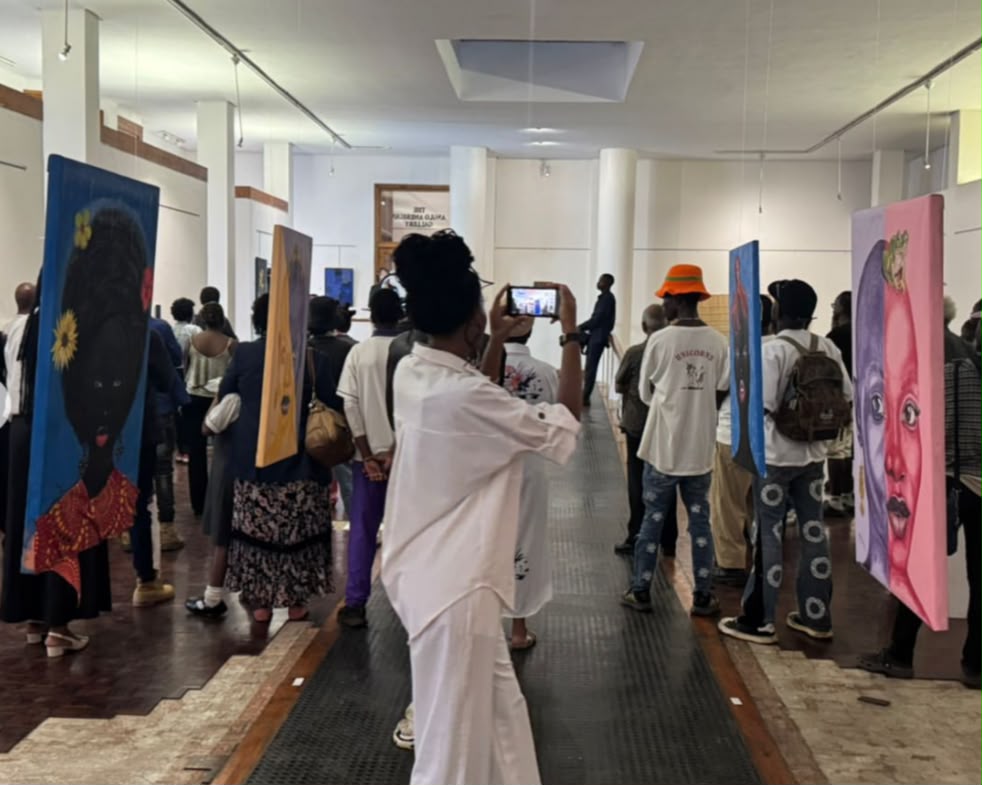
A reflection of who we are: NGZ Bulawayo stages identity-driven exhibition
Gift Moyo, [email protected] The National Gallery of Zimbabwe in Bulawayo is set to host its annual featured exhibition, Mirrors and Windows, an artistic exploration of identity, self-perception and the ways…