admin
adminstruggling to access affordable long-term lines of credit to revive their operations.
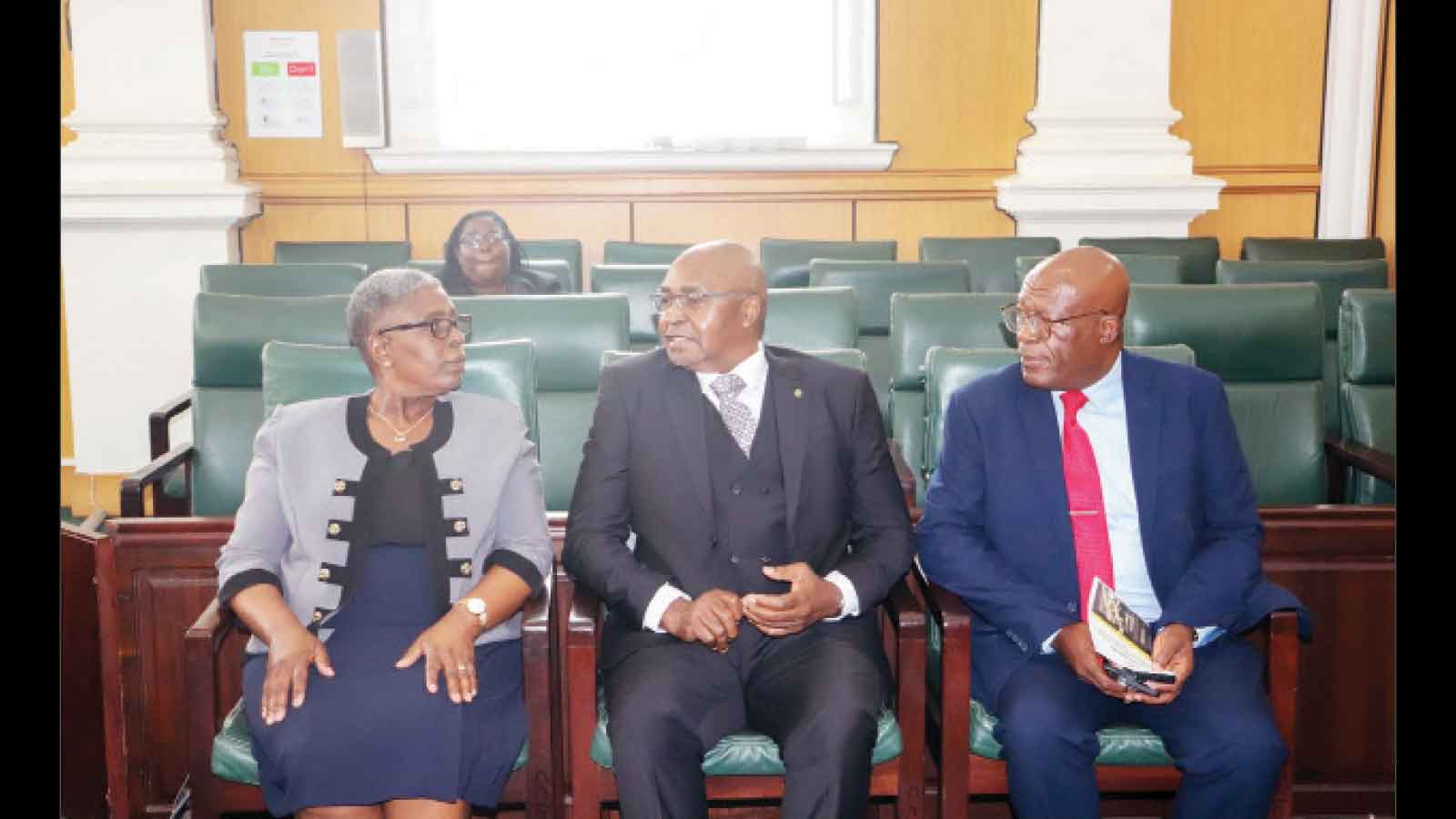
This was revealed by the Reserve Bank of Zimbabwe Governor, Dr Gideon Gono, when he appeared together with the central bank’s board before Parliament Portfolio Committee on Budget, Finance and Investment Promotion yesterday.
The money is repayable between four to five years.
Dr Gono said the funding facilities related to external lines of credit local banks had secured and requested the RBZ to approve in the last seven months.
“As of July 15 this year total amount mobilised this year alone is US$1,6 billion but the amount that has been withdrawn is US$600 million, which means there is US$900 million, which could come into the economy for purposes of lending,” he said.
Dr Gono said the money was meant to fund various sectors of the economy with US$440 million earmarked for agriculture, US$283 million for financial services, while US$251 was for mining.
The manufacturing sector had US$290 million set aside for borrowing, the telecommunication sector US$260 million, while distribution and tourism industries have US$44 million and US$10 million respectively.
Dr Gono said the low utilisation was due to various reasons including unbankable project proposals by some firms.
“Disbursement or drawdown of about US$614 million of long term money that we so desire means we are therefore starving the economy of the long term money we need. Some of the lenders require approval before they disburse, while borrowers fail to meet draw down conditions, any good project will always find money,” he said.
The revelations by the RBZ Governor come on the backdrop of local industry claims that there was inadequate long term financing to support operations after a decade long financial distress and economic instability.
Local firms have also complained that most of the credit facilities available in the local banking sector were largely short-term and expensive as banks took advantage of the liquidity constraints in the economy.
Dr Gono also accused international banks of sitting on millions of depositors’ funds when most companies were in need of funding.
“We do track bank deposits every day and on average there is a surplus of US$170 million to US$200 million and you wonder why we have these difficulties. For example, one international bank had US$180 million worth of deposits and as at end of June had extended loans of US$50 million, while the balance is earning zero interest.
“The other has US$300 million and the loans are only US$130 million and are paying one percent interest.”
He, however, said only one bank offered substantial loans after lending US$600 million from its US$700 million deposits.
Dr Gono bemoaned the high interests rates charged by banks that ranged from 14 percent to 25 percent.
Against this background, Dr Gono said he would introduce a facility through the forthcoming Medium Term monetary policy review into which banks with surpluses would deposit their funds and earn market related interest.
This would enable financial institutions in short positions to have sufficient liquidity to cover overnight obligations. Banks had been unwilling to lend each other following the crisis at Renaissance Bank.
The RBZ board also revealed that financial constraints were hampering the smooth finalisation of the central bank’s retrenchment.
Chairperson of the board’s human resources and remuneration sub-committee, Dr Primrose Kurasha, said “the retrenchment packages were worked out and agreed upon and the payment plan has also been agreed upon”.
“The challenge now is the money to pay the retrenchees.”
Initially, the central bank owed US$48,5 million in retrenchment packages and has since paid US$22,8 million. It also owed retained staff a total of US$17,8 million in salary arrears and has so far paid US$4,5 million.
Dr Gono said 60 percent of the US$1,2 billion RBZ debt had been inherited from previous administrations. He said while the bank struggled to retire the huge debt, it could have easily cleared the liabilities if Government had paid the US$1,5 billion debt to the RBZ from national obligations it funded.
Some of the obligations include funding extended to Government for the 2008 harmonised elections, farm mechanisation and purchase of fuel at a time Zimbabwe faced serious economic difficulties.


 Online Reporter