admin
admin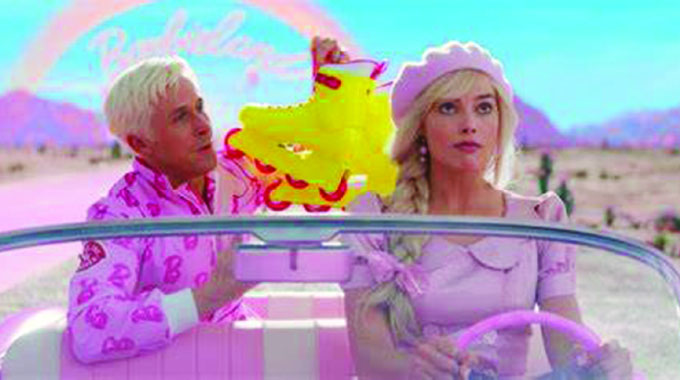
When we walked into the AMC Lincoln Square 13 in New York City for the Thursday 3 p.m. viewing of “Barbie,” we found ourselves surrounded by pink. Women wore heels and sparkling jewelry, and young girls in sundresses clutched their Margot Robbie Collectible Barbies. We had come prepared— adorned in our own pink outfits, we happily took photos for a friend group in exchange for a few of our own. People laughed and chatted through the trailers, and broke out in whooping cheers as the movie began. Every seat was filled. The positive energy was palpable. It felt like a party.
In a nuanced approach characteristic of the director Greta Gerwig, whose previous projects “Lady Bird” (2017) and “Little Women” (2019) received critical acclaim, the Barbie movie is a hilarious, vibrant tribute to an iconic doll central to decades of imaginative play. At the same time, the film manages to be an exploration of Barbie’s cultural impact—good, bad and in-between. Through on-the-nose commentary on everything from Barbie’s representation of independent female adulthood to her unrealistic, idealized body proportions, Gerwig makes a movie as layered and paradoxical as the reputation of the doll itself.
“Barbie” dives head-first into many controversial topics: consumer culture, growing up, parental relationships, gender dynamics and a multitude of other issues—offering commentary while managing to make the doll look great in the process. Mattel allowed the societal perceptions of Barbie to be examined, though the film ultimately reclaims Barbie, because Barbie can be whatever you want, and Barbie supports all women. Whether Barbie’s feminism is direct or ironic, the movie seemed to say, it is guilt-free to buy her.
But for a project that is arguably an action-packed, 114-minute commercial for a doll, the main thematic takeaway from “Barbie” is that life as a real woman is significantly more difficult but resolutely more worthwhile than “life in plastic” could ever be.
For those who have been anticipating the release of “Barbie,” the sold-out theatres and tremendous box office numbers (Barbie brought in $155 million on its opening weekend) come as no surprise—nor does the vibrant appearance of the audience, a result of Mattel’s marketing campaign, which included pre-film partnerships with brands like Gap and Crocs
The promotion worked because it tapped into an existing market of people who grew up with Barbie. Created in 1959 as one of the first grown-up woman dolls for children, the affordable toy has been a controversial yet beloved plaything for decades. Like many in the audience, the two of us played with Barbies as little girls, and therefore had firsthand access to the complicated influence that such a doll—who is anything she wants to be while always looking perfect — can have on a young girl. — https://www.americamagazine.org


 Online Reporter