Online Reporter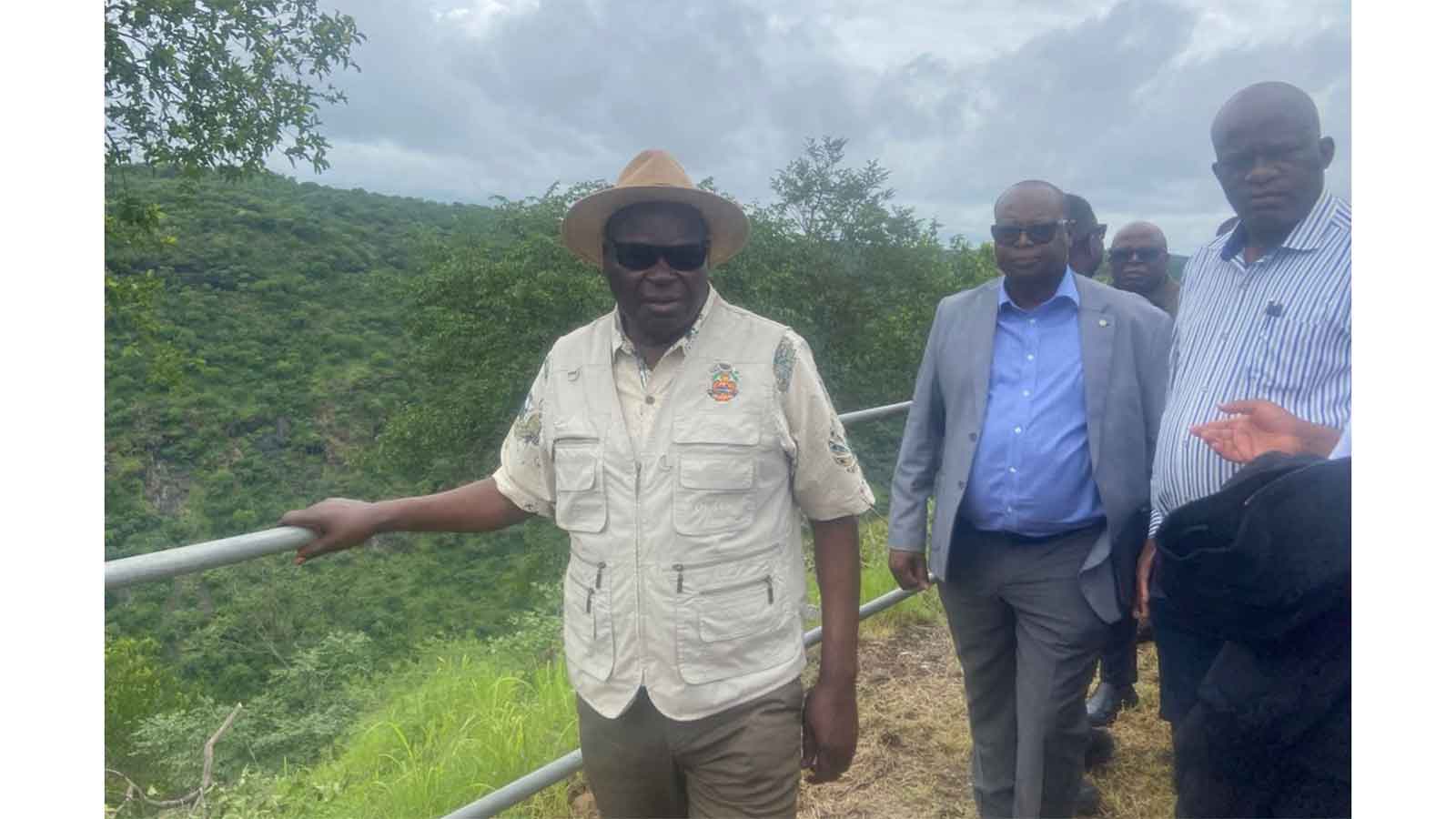
Rutendo Nyeve in Hwange
ZIMBABWE and Zambia have taken a decisive step towards the long awaited Batoka Gorge Hydro Electric Scheme (BGHES), with the two countries jointly committing US$440 million in seed capital to unlock one of Southern Africa’s most strategic energy projects.
The Batoka Gorge project, first conceived in the 1990s, is a binational hydro electric venture to be built on the Zambezi River downstream of Victoria Falls and is expected to generate more than 2 400 megawatts of electricity once completed. The project is jointly owned by the two countries through the Zambezi River Authority (ZRA), which also manages the Kariba Hydropower Station.
Despite its significant potential to ease power shortages in both countries and across the wider Southern African region, the project has experienced repeated delays over the years due to funding constraints, shifting global energy markets and complex financing structures.
The latest financial commitment signals renewed momentum for the binational venture following years of stagnation and comes as Minister of Energy and Power Development July Moyo — who also chairs the Council of Ministers for the Zambezi River Authority —conducted a high level site visit to Batoka Gorge yesterday.
The tour, which marked a significant step towards ground breaking, was attended by senior officials from the Ministry of Energy and Power Development, Zesa Holdings acting chief executive officer Engineer Cletus Nyachowe, executives from the Zimbabwe Power Company (ZPC), and a delegation from the Zambezi River Authority.
The visit also served as an inspection and strategic briefing, with ZRA engineers outlining the project scope and progress following recent high level political directives issued by both Governments.
Speaking after the tour, Minister Moyo said the project is being driven by a firm political mandate from President Mnangagwa and his Zambian counterpart, President Hakainde Hichilema.
“We are working under the direction of President Mnangagwa and President Hichilema, who met in October last year and directed that as Ministers of Energy and Finance, supported by our technical utilities, we must ensure that Batoka takes off,” he said.
Minister Moyo said the directive was reinforced by a critical meeting held in Victoria Falls last month involving Ministers of Energy and Finance, Attorneys General and senior officials from the two countries, where implementation pathways were agreed.
“Batoka was high on our agenda, and we agreed that the two Governments must put some money on the table to demonstrate commitment. The intention is clear — this project must take off,” he said.
To that end, Zimbabwe and Zambia have committed equal shares of the US$440 million seed capital.
“This US$440 million has been equally distributed between Zambia and Zimbabwe as equity to kick start the project,” said Minister Moyo.
He said the site visit was critical in aligning political leadership with technical teams and initiating preparatory works, including the drafting of a resource mobilisation paper for the two Ministers of Finance.
“That paper will outline how we move beyond the initial US$440 million to mobilise the full funding required for dam construction and the power stations,” he said.
Minister Moyo also stressed that the Batoka project will prioritise local content, skills development and the use of domestic materials.
“I am very happy that there are models that allow us to use cement produced in our two countries, our steel making capacity and locally available aggregates,” he said.
He cautioned against over reliance on fully, externally financed models that marginalise domestic participation.
“If all the funding comes from one external source, they bring their own workers and materials, yet we have the capacity and resources right here,” he said.
To further enhance investor confidence, the Government plans to develop enabling infrastructure around the project area.
“We can put roads to this place and housing for workers. When investors see us putting infrastructure on the ground, they will know that we are ready,” said Minister Moyo.
He said that with political will, seed funding and technical groundwork now firmly in place, the Batoka Gorge Hydro Electric Scheme is finally transitioning from concept to implementation, with the promise of significantly boosting power generation and energy security for both countries.
Providing a technical update, Batoka Gorge Hydro Electric Scheme project manager Engineer Patrick Sipatela said the project has entered the resource mobilisation phase, anchored by the US$440 million equity commitment.
“Given the passage of time, there have been significant changes in the power sector market. We are therefore updating the engineering feasibility studies, as well as the financial, commercial and legal frameworks,” he said.
Engineer Sipatela said internationally renowned consultants have been engaged for the nine month review process to realign the project with prevailing market conditions, alongside parallel engagement with potential investors.
“As we update these studies, we are also engaging the market so that by the time we reach the finish line, market expectations will already be incorporated,” he said.
A progress report is expected to be submitted to Presidents Mnangagwa and Hichilema by March 31, while a key meeting between the two countries’ Ministers of Finance is scheduled for February.