


 Online Reporter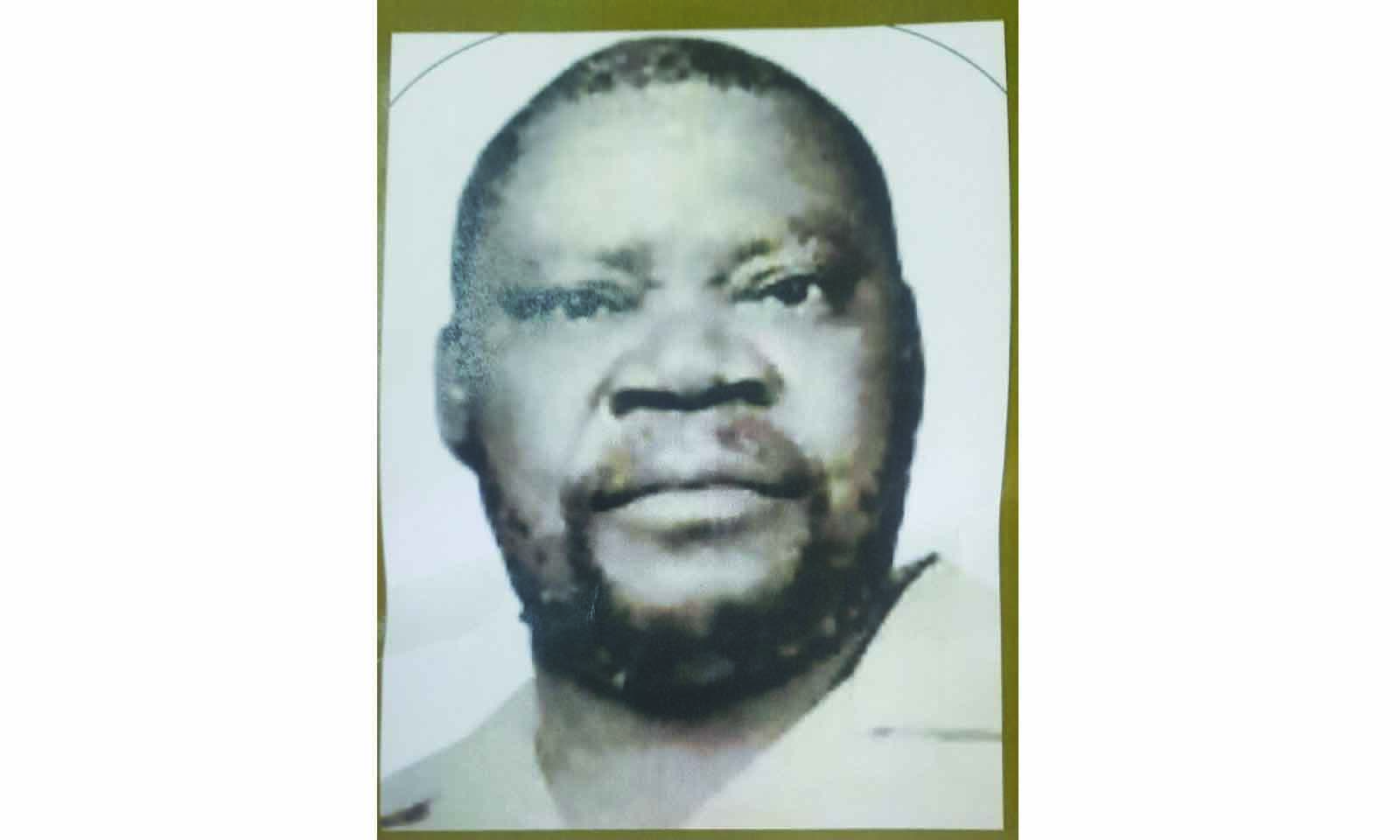
Fidelis Munyoro and Golden Sibanda
AN unyielding army of mountains stands as silent sentries around the sacred Dandadzi Hills, their jagged peaks locked in solemn vigil over the resting place of Peter Jack Masedza, who is famously known as Baba Johane Masowe.
For generations, these hills have symbolised peace and spiritual unity, their shadows a covenant of solace for countless followers. Yet beneath this tranquil façade, a fierce conflict now brews — not a battle of weapons, but of bloodlines and deeply held beliefs.
What began as whispers has erupted into a storm of emotion and legal strife.
Plans to exhume the remains of Baba Johane Masowe have ignited fury throughout the Gandanzara community and within the church he started decades ago, threatening the peace and stability that the hills have long protected.
At the heart of this turmoil are the prophet’s sons — Magaga and Reuben Masedza — whose claims challenge the authority of the Gospel of God Church International 1932, which their father founded, pitting familial rights against uncompromising faith.
During one visit to the area, the air around the shrine is palpably thick with anguish and defiance; every prayer now carries the weight of a battle cry, the peaceful hills shattered by unresolved tensions over the exhumation saga.
For over 50 years, the peaks of Gandanzara in Rusape, Manicaland province, have guarded this secret — a spiritual legacy that has inspired millions and divided a powerful religious dynasty, one of the largest indigenous congregations.
Born Shonhiwa Masedza on October 1, 1914, Johane Masowe was buried here in 1973, following his death in Zambia. His grave, a pilgrimage site that draws over 100 000 followers annually from across the world, has become a flashpoint in an intense legal and emotional struggle.
It has now become more than just a shrine; it stands as a crucible of intense conflict, caught in the fierce crossfire between his bloodline heirs and the church he founded.
This rift has caused deep, irreparable divisions, shaking the church’s foundation.
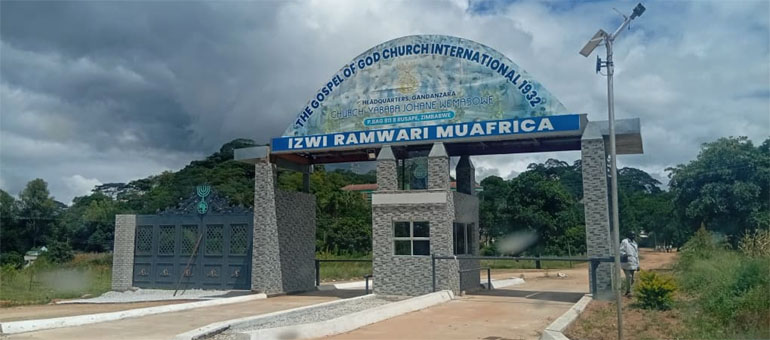
The custodians of the church and shrine now fear that the bitter disputes could ignite lasting, volatile clashes — threatening to unravel the faith and confuse legions of followers within the Gandanzara community (where he was laid to rest), across Zimbabwe and beyond borders where his ministries are flourishing.
Johane Masowe began his spiritual mission at Marimba in Norton in 1932, then journeyed far and wide, spreading the divine Word inspired by his Creator. Beyond Zimbabwe’s borders, he established churches in Botswana, Mozambique, South Africa, Kenya, Zambia and Tanzania, among others.
The church insists that Johane Masowe chose Dandadzi Hills for his final resting place.
“He said if anything happens to me, I want to be buried at Dandadzi so that darkness does not befall the people of Africa,” said church president Evangelist Esau Juru, recalling Johane Masowe’s wish.
“Now, it is so strange that someone — his son, with whom he had sharp differences while he was alive — says, more than five decades after he died, that he wants to exhume the remains for reburial. Where was he all this time and who did he think was looking after the grave?”
It is believed the Dandadzi burial site was not incidental.
Church elders say a special meeting was called in Zambia before Johane Masowe passed away, where he pronounced his wish to be buried in Gandanzara.
Long-serving sect members like church vice president Sister Erica and Sister Hlope Tshuma, who have dedicated over 45 years to preserving the sanctity of the shrine and the sect’s traditions, were among senior church members who attended the Zambia meeting.
The devotee sisters recount the earlier fierce dispute over the late prophet’s final resting place the moment his body returned to Zimbabwe, with some close relatives opposing the hilltop resting place. Yet the church prevailed, honouring the prophet’s wishes.
Sister Erica and Sister Hlope reportedly always travelled with Johane Masowe as choristers while he ministered the Word of God across the world.
“He said, ‘If something befalls me, please bury me on the top of the Dandadzi Hills in Gandanzara.’ He said if you do not do that, darkness will engulf the rest of Africa. The shrine’s hilltop spot is where he would go to rest after his prayer sessions,” Sister Hlope said.
“There was a big, big fight over where to bury him. Some of his relatives, including his mother’s brother, wanted him buried elsewhere, but many church leaders opposed it, insisting on his death wish to be buried here.”
For Sister Erica, the shrine is sacred ground.
“This is not just a grave. This is our covenant with God,” she said.
Now a senior figure in the church, she claims to have worshipped at the shrine since childhood.
“You do not lift a revered prophet from his resting place like a stone in a field. You will attract the wrath of God and the people . . .”
Yet, decades after his death, one of his sons now demands the exhumation and reburial of the remains — an act church leaders and followers view as a desecration that risks fracturing faith among Baba Johane Masowe’s followers.
Elder Juru emphasised that Johane Masowe had renounced all earthly possessions, connections and traditions to serve the Lord, entrusting the church with his estate and spiritual legacy.
The festering divisions, he noted, have led to the formation of splinter groups that contradict the original teachings, deepening divisions within the faith.
Family burial site
The late prophet’s sons, led by Magaga, want a more private and accessible family burial site, alleging decades of denied access to the shrine and expressing concern that the site has become a centre of idolatry and commercial exploitation.
“Our father did not wish to be idolised. He was not a god. He was a man of God,” they asserted in some of the court documents supporting the long-running legal dispute over the planned exhumation of their father.
Yet even traditional leaders warn, though, that disturbing Johane Masowe’s resting place would shatter the solemn peace among his followers, unleashing turmoil upon his ministry.
Village head Jonathan Munatsi voiced the community’s steadfast resolve, condemning any attempt to move the remains of Masowe.
Such a move, he vowed, would meet fierce opposition from both the people and the church.
“All traditional leaders stand united against this,” Mr Munatsi declared.
“We want him to rest in peace. We laid him here according to his wishes, and those must be honoured. He is a blessing not only to his people but to the nation and all of Africa.”
The church maintains that exhumation would cause profound emotional distress to millions worldwide and violate the sanctity of the holy site.
This dispute has also been playing out in Zimbabwe’s courts, reaching a pivotal moment in late 2025 and early 2026.
The Supreme Court acknowledged the sons’ legal right to seek exhumation but deferred the final decision to the Government minister overseeing the Cemeteries Act. The church successfully secured a court order to halt exhumation proceedings, citing procedural unfairness in the Government’s approval process.
More than 50 formal objections from the faithful underscore the depth of resistance to disturbing the shrine.
The Dandadzi shrine itself is a testament to faith and culture, a modern architectural marvel perched atop the hills.
It houses a three-storey hostel for devoted sisters, a villa-like apartment for church elders and a treasured library preserving Johane Masowe’s spiritual works and regalia.
Meticulously paved pathways and artistically crafted terraces adorned with vibrant African motifs invite pilgrims into a serene realm where humans and nature coexist in harmony.
Monkeys and mountain rabbits roam freely, adding life to the tranquil surroundings.
Some 300 devoted individuals inhabit the shrine, maintaining its spiritual and daily functions. Two mausoleums stand solemnly: one for Baba Johane Masowe and the other honouring Sister Megi and the prophet’s mother, framing the sacred site and completing a unique destination for religious pilgrimage.
For now, the bones of Johane Masowe remain undisturbed atop Dandadzi Hills, silent witnesses to a profound struggle between the living’s rights and the sanctity of the dead — an enduring symbol of faith, heritage and the fragile balance between family, church and tradition.



