Chronicle Editor
Melissa Mpofu, [email protected]
RAISEDON Baya has bemoaned the “exorbitant prices” that promoters are made to pay for certain services in the process of clearing foreign artistes.
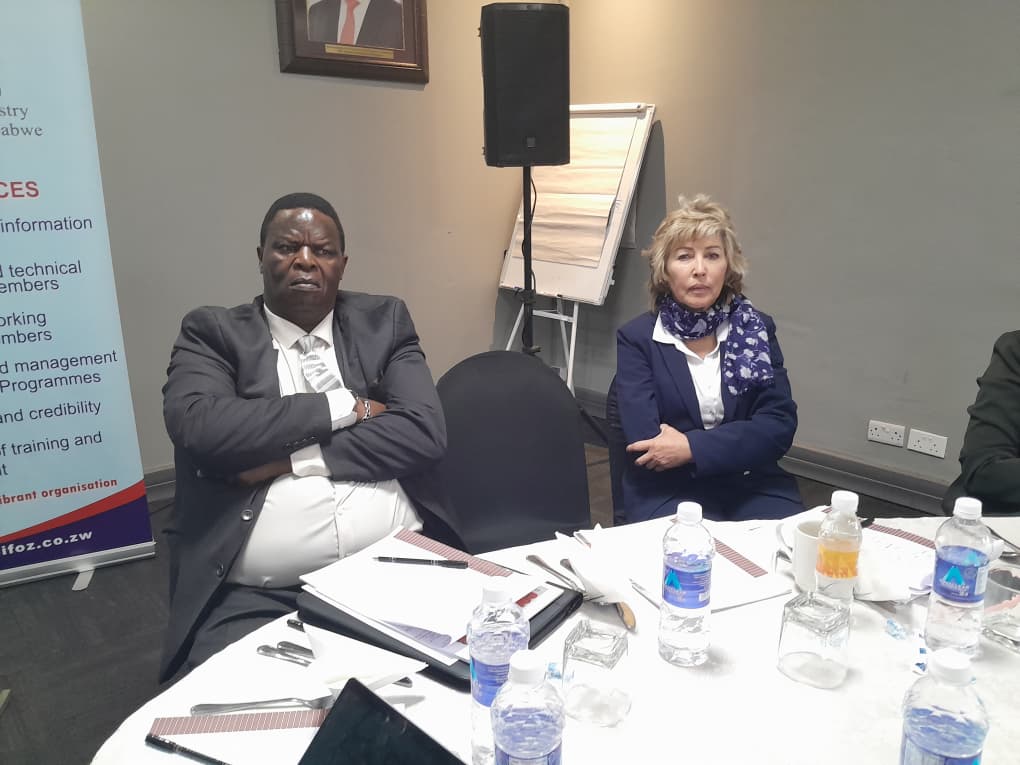
Baya, a playwright and theatre director who is passionate about promoting arts in the region, told a Cultural and Creative Industries (CCIs) consultative meeting that the fees promoters were made to pay were to high. The meeting was held on Monday in Bulawayo by the National Arts Council of Zimbabwe (NACZ) in collaboration with the Zimbabwe Revenue Authority (ZIMRA), Zimbabwe Republic Police (ZRP), Immigrations as well as the Entertainment and Censorship Unit.
It was arranged to equip CCIs with the requisite knowledge and iron out issues that have seen CCIs being at loggerheads with some Government departments.
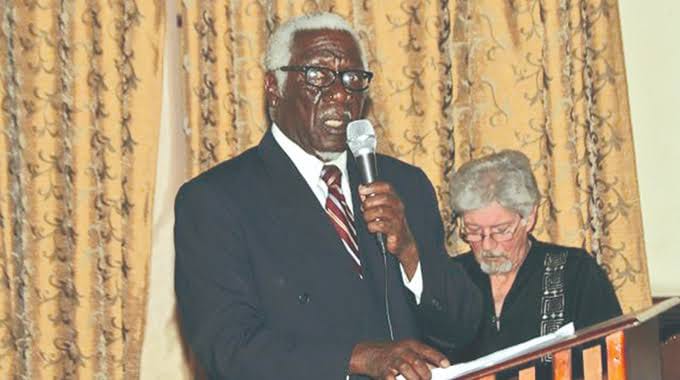
Said Baya: “I think the fees we’re paying are not sustainable. They are only sustainable for promoters that are bringing in ‘big artistes’ like the UB40s and bigger South African artistes. For other genres like theatre, literature and poetry, it becomes difficult.”
When clearing artistes for shows, promoters in Zimbabwe are expected to pay US$500 to the Immigration Department, plus or minus US$1 000 to the NACZ, US$250 to the Censorship Board and 15% of the artiste fee to Zimra for the application of clearance letters for foreign artistes, whether the artistes are ‘big’ or not.
“For example, I walk into the Zimra, NACZ, Censorship Board and Immigration, and they all want something (payment for clearance) from me. In the end, you might find that for instance, I have spent around US$1 000 clearing let’s say a poet but the money that I get is far less than that,” said Baya.
He suggested that policymakers review their policies on the clearance of artistes saying the umbrella policy is unsustainable.
“There should have been different categories for clearing poets, literature and music in terms of sustainability. I can’t pay the same fees that I’m paying for UB40 for a single poet from let’s say, Botswana because that doesn’t make sense financially.
“In terms of sustainability for other genres, it then becomes almost impossible because I believe when they were making all those rules, they made them for music instead of arts in general.”
Baya also suggested open-mindedness in setting rules that govern how things are done in the arts sector.
For long, the NACZ has been on a drive to engage creatives through holding frequent consultative meetings. Baya commended these effort to bridge the gap between Government departments and CCIs, citing the importance of creating synergies.
“The engagements are important and let’s hope we keep engaging and finding each other. I think it’s important to create relationships with Government departments instead of fighting with them. It is important to assist each other to ensure Zimbabwe has a working system and the environment is conducive enough for business, especially the creative arts business,” said Baya.
He said it was important for the arts sector to know the requirements when promoters bring in artistes. “There’s no way one can do business without having to walk into Zimra, NACZ, Censorship Board and Immigration offices,” said Baya


 Online Reporter