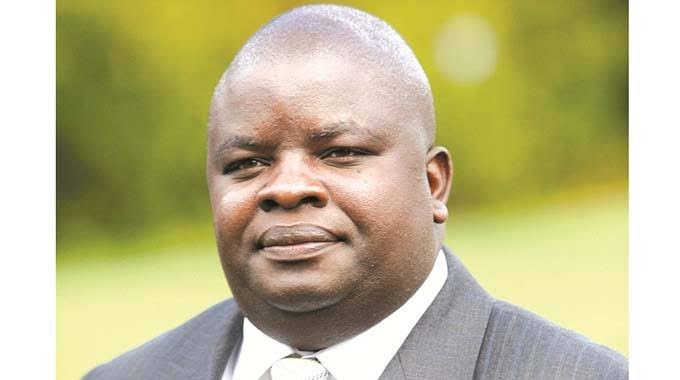
Online Reporter
Raymond Jaravaza, [email protected]
BULAWAYO City Council (BCC) invested over US$600 000 in the acquisition of four refuse compactors, a move aimed at strengthening its refuse collection capacity and improving service delivery across the city.
The new additions bring the city’s fleet of refuse compactors to 17, although the council requires 30 refuse trucks to adequately cover all areas, according to BCC Director of Health Services, Dr Edwin Mzingwane.
Speaking at the commissioning of the new compactors at the City Hall parking yesterday, Bulawayo mayor Councillor David Coltart said council management and councillors, emphasised the importance of responsible use of ratepayers’ money.

“I stand here this afternoon with a great deal of pleasure in commissioning these four trucks, which to some people might look like it’s a small number, but we need to understand that we are in the process of rebuilding the city which doesn’t happen overnight,” he said.
“We will rebuild the city step by step and the commissioning of these refuse compactors is a significant step in my view.”
Clr Coltart commended the council management for ensuring transparency and accountability in the use of public funds.
“It is important for residents to see tangible results from the rates they pay. Their contributions are not being squandered on luxury personal vehicles but are being used to enhance service delivery,” he said.
Clr Coltart said the refuse compactors will go a long way in improving refuse collection in the city.
“I want to congratulate the town clerk and his management team for ensuring proper use of rate payers’ money as evidenced by the purchase of these trucks,” he said.
Coltart said each refuse compactor cost US$150 600 bringing the total expenditure to US$602 400.

He said while the investment was a positive step, more needs to be done to fully address the city’s refuse collection challenges.
Clr Coltart thanked Dr Mzingwane, management and staff in the city’s health services department for ensuring that the city is kept clean despite challenges emanating from a shortage of refuse collection vehicles.
Dr Mzingwane said council needs 30 refuse compactors to meet the demand of refuse collection across the city including the industrial areas.
“The CBD on its own needs three refuse compactors working daily to keep the city centre clean while business premises need two trucks. The four trucks will bring the total number of refuse compactors to about 17, but some of the trucks are 10 or more years old,” he said.
Dr Mzingwane said despite the new acquisitions, the council will continue working with private refuse collection companies.