admin
admin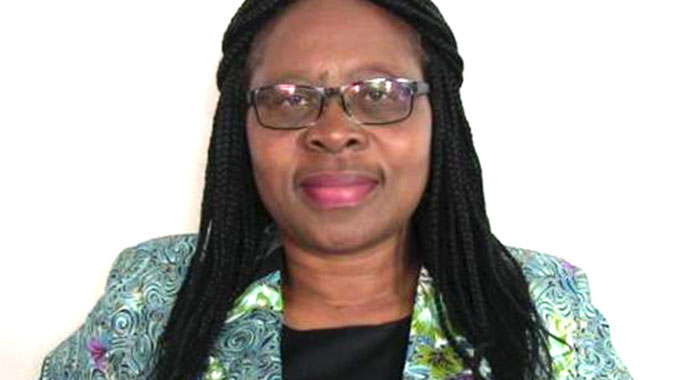
Precious Manomano Herald Reporter
A 90 percent chance of an El Nino phenomenon in the Pacific this year will increase the probability of suppressed rainfall next season with experts urging smallholder farmers to invest more in irrigation and resistant crop varieties to ensure food security.
Recently, the World Meteorological Organisation forecast that there was a 90 percent probability of the El Niño event continuing during the second half of 2023 and it is expected to be at least of moderate strength.
Speaking during the 11th Annual National Agribusiness Conference held at Zimbabwe Agricultural Show yesterday, director Department of Meteorological Services Mrs Rebecca Manzou said the impact of El Nino in Zimbabwe varied from year-to-year with sometimes suppressed rainfall or there can be normal rainfall.
But almost 60 percent of the El Nino events have generated suppressed rainfall.
“The season has started in the midst of El Nino and it will end when we are still in El Nino. We are still working out how its really coming out,” said Mrs Manzou.
“So, we are still waiting for the Southern Africa Regional Climate Outlook Forum (SARCOF) which is happening next month.
“After that we come to the nation with the national seasonal forecast when we downscale from the regional to the national forecast.”
Mrs Manzou said it was critical for farmers to continue working with Agritex workers so that they were updated with information. She stressed that an El Nino event did not necessarily mean that El Nino automatically meant drought.
“In an El Nino we can have near normal rainfall so this could be interplay of other factors,” she said.
“The analysis of historical El Nino impacts revealed that the majority of El Nino in the past 43 years have the normal to low rainfall so we are now talking of probabilities. But we can not conclusively say that El Nino is equal to a drought.”
Mrs Manzou said it was critical for farmers to insure their crops in case of any eventualities.
Speaking at the same event, Zimbabwe Farmers Union secretary general Mr Paul Zakariya recommended farmers to take up crop insurance covers, saying that there is limited adoption of insurance.
“Insurance played a key role in strengthening farmers’ resilience to potentially devastating climate related disasters.
“It plays a very important role in agricultural development,” said Mr Zakariya.
“The culture to insure is absent. What we need is insurance becomes part of the package and when we are looking for facilities to develop the programmes, the production budget should include insurance.”
The smallholder sector should begin to invest in micro-irrigation kits to allow them to grow crops throughout the year.
Farmers said they were waiting for the final update from the Met Department so that they make informed decisions.
Mr Taurai Mazarura of Zhombe said weather patterns were crucial as they guided farmers on what to grow, adding that it is critical to work hand in glove with experts to ensure good yields.
“We are delighted because these are the weather patterns that have always brought us good harvests. This is critical for our country because food security is an important part of our lives, we must stock up our reserves,” he said.
Ms Cynthia Chibanda of Hurungwe said diversity is critical when there are uncertainties.
“We should diversify to ensure food security. Traditional crops can also perform better than maize even under drought,” she said.
Another farmer from Zvimba, Mr Tapiwa Mapfeka, said it was greatly appreciated that farmers got inputs on time, saying that there will be probability that the country will record a bumper harvest if we receive good rainfall.
“Getting inputs on time is a major milestone on its own, adding that the season is good for us if we receive normal rainfall. We are optimistic of a bumper harvest. Personally, I thank the Second Republic for supporting the agriculture sector,” he said.
Farmers have produced more traditional grains this year, as they diversify to fight the effects of climate change and ensure there is adequate food for the country and their families and that they can make a profit from farming even in areas where maize is a dubious venture most years.


 Online Reporter