

 Chronicle Editor
Sikhulekelani Moyo, Business Reporter
THE Department of Veterinary Services has warned livestock farmers over risks of buying fake vaccines from street dealers saying this exposes them to losses and potential spread of animal pests and diseases.
The issue was topical during the recent livestock business forum in Bulawayo, where it emerged that some farmers were using vaccines and dipping chemicals sourced from unregistered dealers.
Matabeleland South provincial veterinary services director, Dr Enat Mdlongwa, said the use of fake vaccines was one of the impediments to livestock sector growth.
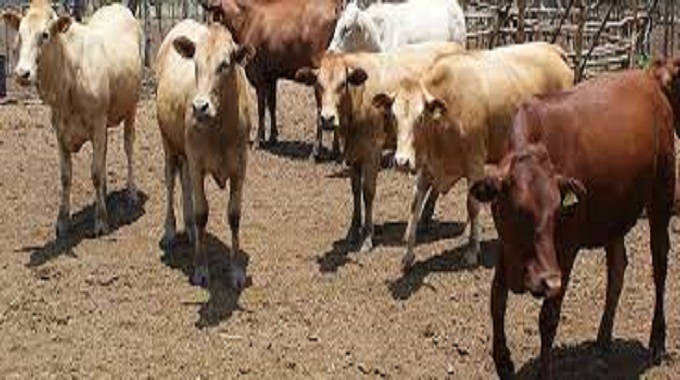
“We urge farmers not to buy vaccines from street vendors because that’s where fake vaccines are dominant. Farmers should buy vaccines from registered sources, that way they will not encounter any problems associated with fake vaccines,” said Dr Mdlongwa.
“If farmers use fake vaccines, it means nothing has been achieved and pests and diseases become hard to control.”
His sentiments come at a time when the Government has come up with Livestock Growth Plan, which seeks to address a number of challenges that are constraining livestock production, productivity and profitability and growth of the livestock business to a US$1,9 billion sector by 2025.
The plan targets to tackle challenges in the key areas of animal health, animal genetics and animal nutrition and other related parameters. By so doing, the Government has come up with a nationwide dipping programme with over 4 000 dip tanks doted around the country, mass livestock vaccinations annually, extension and advisory, food safety services, diagnostic and research services and livestock movement control, among others.
Commenting, Mr Honest Dlamini, a livestock farmer from Nyamandlovu, said their operations rely more on vaccines, which require close assistance from animal health advisors.
“In all our farming we trust vaccines usage and animal antibiotics. So, there is need for farmers to be aware when dealing with suppliers and have knowledge of what they want to avoid being victims of fake vaccines,” he said.
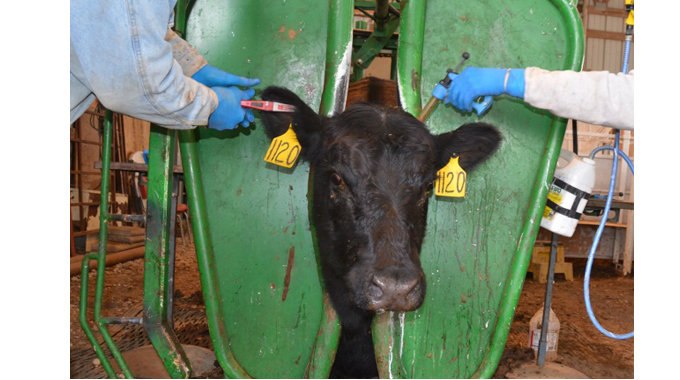
“I’m yet to encounter such a problem but we know colleagues that have been affected.”
Livestock production provide livelihood to many rural families in Zimbabwe and in Africa at large. Every household has cattle, goats and chickens, which are then used to provide food for the families or sold to pay school fees and other basics. – @SikhulekalaniM1.



 Bongani Ndlovu
 Online Reporter