Maria Chiguvari
BEATRICE High School is pushing ahead with its digital education drive as it seeks to prepare learners for a changing world.
This is despite the school facing challenges related to shortages of classrooms, textbooks, staff accommodation and other key resources.
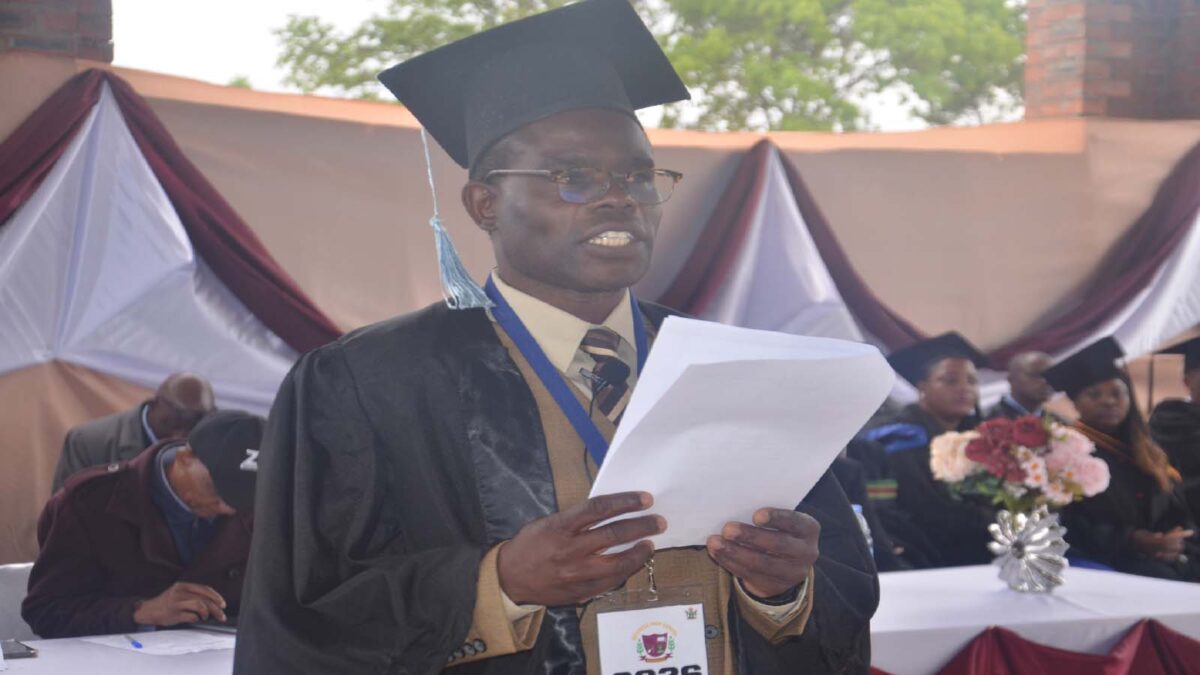
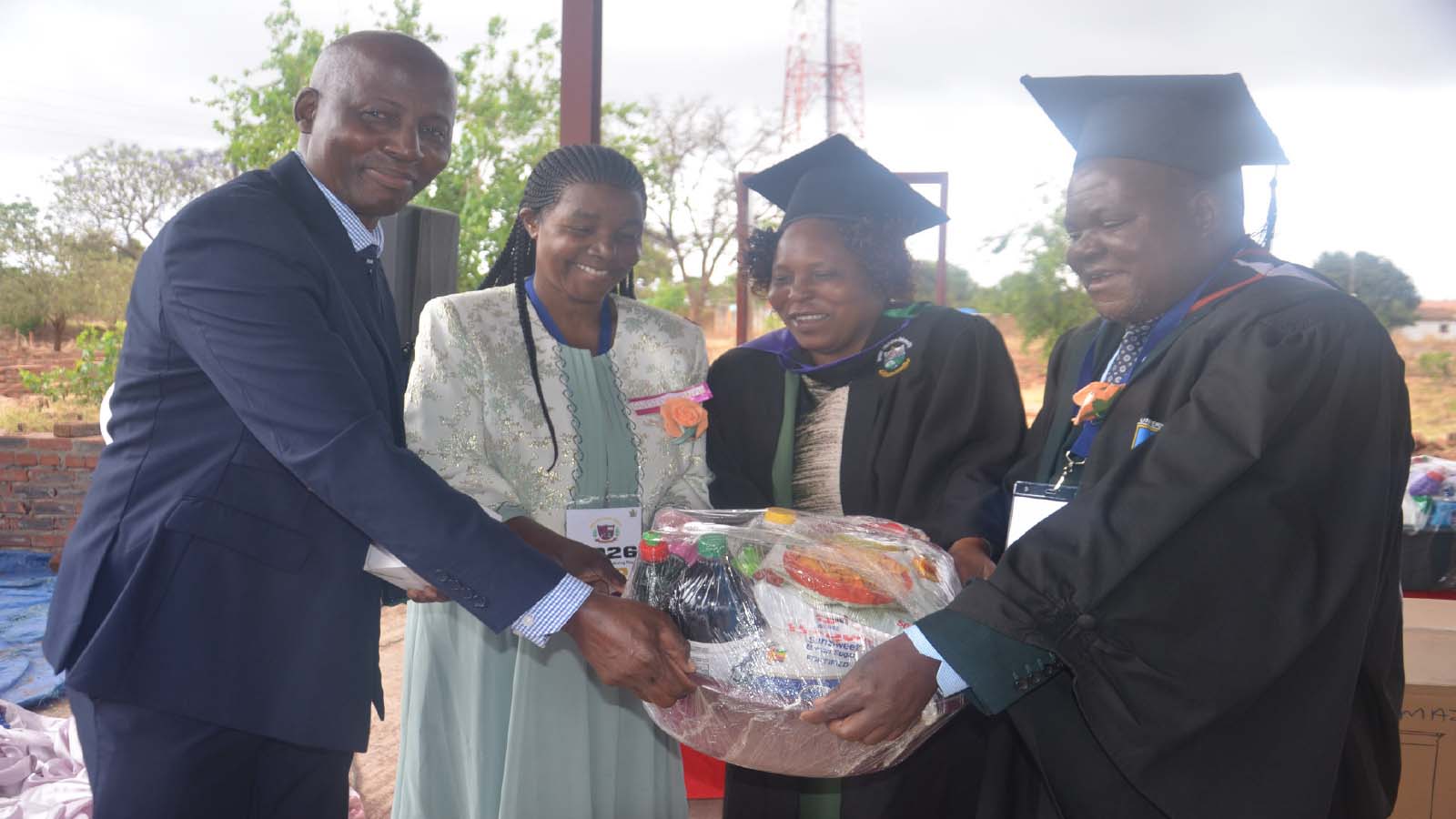
The school held its 2026 Speech and Prize Giving Day on Friday last week where school authorities said technology had become an important part of education and national development.
The guest of honour, Mrs Mudita Farayi, said digital education was now critical to Zimbabwe’s development and the country’s quest for greatness under Vision 2030.
The event was held under the theme “Heritage Based Curriculum: Integrating Digital Skills and Innovation for a Sustainable Future.”
Mrs Farayi said schools had a responsibility to ensure that learners leave school with practical skills and knowledge that can help them survive and contribute to the economy.
She urged learners to focus on finding solutions instead of making excuses for the challenges they face.
“Whether we like it or not, we are part of the global village and we do not just compete with each other as Zimbabweans, we also compete with everyone else throughout the world.
“The whole world is now going digital. We need to be empowered to get the full benefits of technology,” she said.
Beatrice High already has a computer laboratory with 35 desktop computers and 40 tablets, supported by two ICT teachers.
However, Mrs Farayi said the school needed more modern equipment, including laptops and smart interactive panels.
The school currently has internet connectivity through Liquid Home Fibre and Starlink, but the connection only reaches the computer laboratory and administration block.
This means classrooms, outside these areas, cannot fully benefit from online learning.
A solar-powered system has also been installed at the computer laboratory to allow ICT lessons to continue during power cuts.
Mrs Farayi said each of the school’s five departments needed a laptop and a smart panel to improve teaching.
The school has also purchased an 86-inch smart panel, while an e-library is being developed to give pupils access to physical and electronic textbooks.
The digital drive is expected to help address the shortage of textbooks and other learning materials.
Mrs Farayi said digital platforms could also strengthen critical thinking, problem solving, communication, collaboration, leadership and entrepreneurship among learners.
She said the Heritage-Based Curriculum should produce young people who are not only consumers of knowledge but also creators of solutions and future entrepreneurs.
“Our classrooms must become environments where heritage meets science, where culture embraces technology, and where every learner acquires the knowledge, skills, values and competencies necessary to contribute meaningfully to national development,” she said.
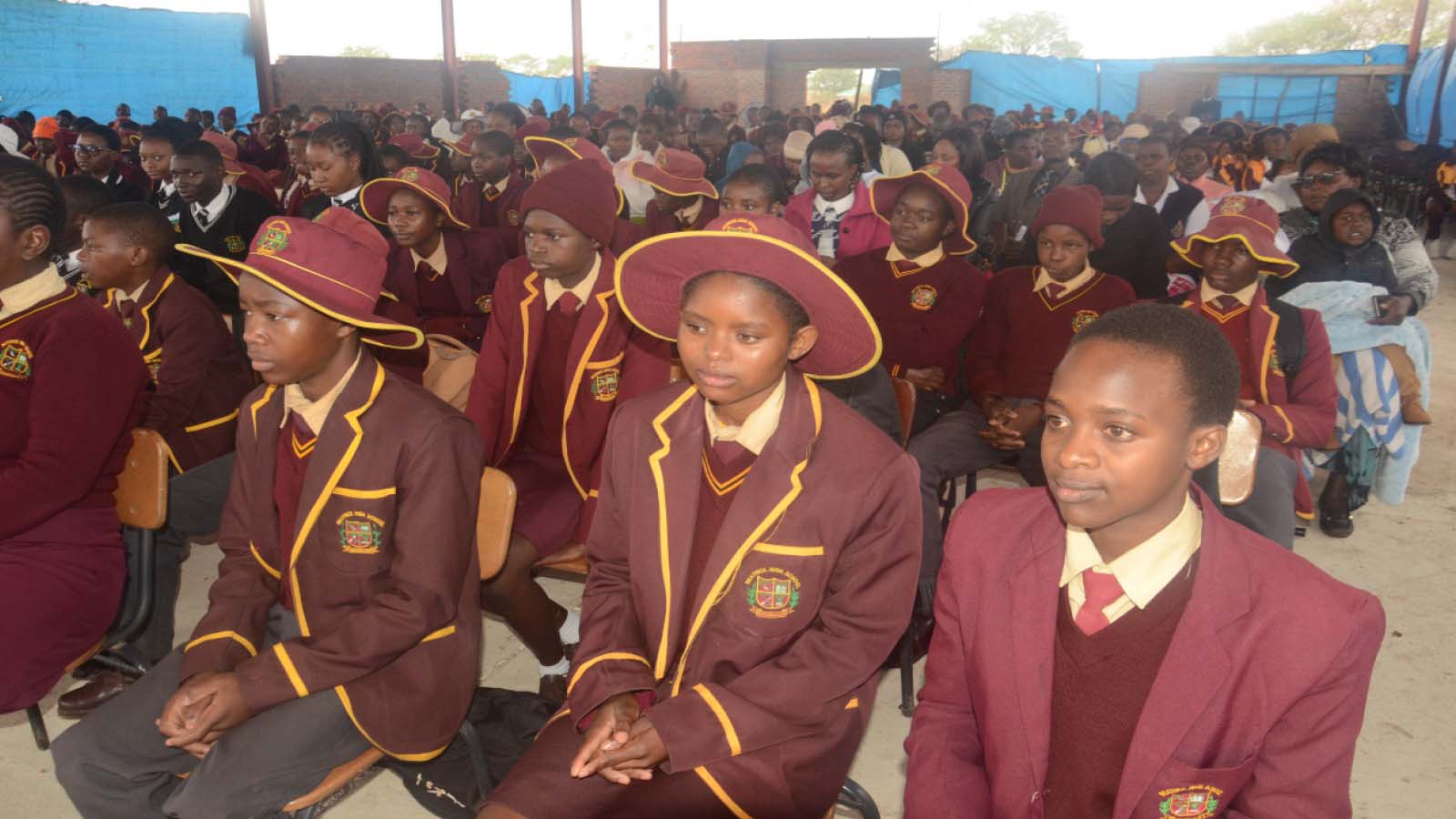
Beatrice High, which was established in 1982, now has 812 learners, comprising 399 girls and 413 boys.
The school has 240 Form Ones, 144 Form Twos, 147 Form Threes, 129 Form Fours, 40 Lower Six pupils and 37 Upper Six pupils.
Headmaster Mr Antony Muchato said the school had grown significantly since its establishment.
The school initially operated from Beatrice Township Primary School before moving to its current site in 1984.
It attained high school status in 2008.
Mr Muchato said the school has built a reputation for producing hardworking and dedicated learners despite facing several challenges.
However, the increase in enrolment has put pressure on the school’s infrastructure.
The school does not have enough classrooms for its learners, with some classes averaging about 60 pupils.
The shortage has forced the school to use the Agriculture and Building Technology block as ordinary classrooms.
A-Level pupils also have to operate outside classrooms, when rooms are unavailable, at times.
The school is also short of specialist rooms, including a Home Economics block, Library and Geography rooms.
Despite the challenges, the school recorded a 100 percent A-Level pass rate in 2025.
One pupil scored 20 points, two scored 17 points and three scored 15 points.
A total of 24 out of 36 candidates scored at least 10 points.
Mr Muchato credited teachers, pupils and parents for the achievement.
At O-Level, the school recorded a 34.7 percent pass rate in 2025, an improvement from 28.7 percent in 2024. However, the headmaster said more work was needed to be done to improve the results.
The school has introduced Saturday study sessions from 8am to 1pm for examination classes, while written exercises and tests are being used to encourage pupils to revise previously covered work.
Mr Muchato said poor reading habits, lack of punctuality and limited commitment to self-study remained concerns.
He urged parents to support their children by encouraging them to study at home, follow school rules and attend lessons on time.
He also challenged teachers to remain professional and committed to improving results.
“The prevailing pass rates in most of the O-Level subjects are nothing to smile about. Where there is a will there’s a way,” he said.
The school is also facing a shortage of staff accommodation.
Only 13 houses are available, with 11 being shared by teachers.
This has forced some teachers to look for accommodation in the surrounding community.
Mr Muchato called on parents, development partners and the wider Beatrice community to help mobilise resources for the school.
The school is currently working on several development projects, including an e-library, modern computer laboratory and school hall.
It is also appealing for assistance with classrooms, staff houses, specialist rooms and textbooks.
Mr Mudita said the community should work together to overcome the challenges facing the school.
She also praised teachers and pupils for their hard work and encouraged examination candidates to remain focused.
The school has also made progress in sport, particularly athletics and darts.
Two pupils, Victor Chiduku and Takunda Musekiwa, represented the district at national competitions and won gold medals.
The achievements were highlighted as evidence of the importance of developing pupils beyond academics.