Temba Dube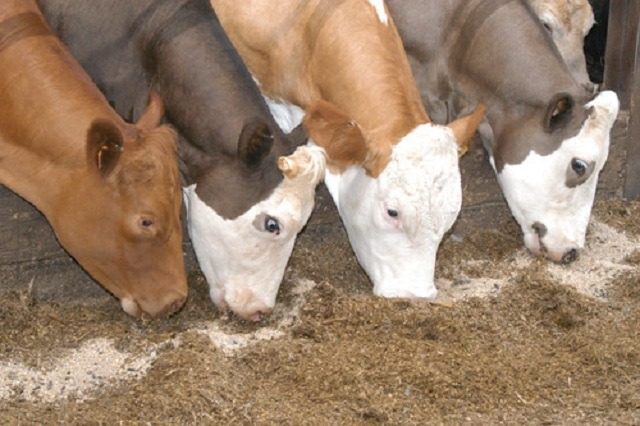
Talking farming Ronald Veremu
ZIMBABWE’S beef industry remains one of the most important agricultural enterprises, contributing significantly to household incomes, food security, employment creation and foreign currency generation.
However, one of the biggest challenges affecting profitability among communal, resettlement and commercial livestock farmers is the practice of selling cattle straight off the veld without adding value.
In today’s competitive livestock market, farmers who invest in value addition before marketing their animals are often rewarded with higher returns. One of the most effective ways of adding value to beef cattle is through fattening. Beef fattening improves the body condition, live weight, carcass quality and ultimately the market value of cattle.
Simply put, heavier animals produce heavier carcasses, translating into more kilograms to sell. At the same time, better-finished animals attract superior meat grades, which command higher prices per kilogram. For farmers seeking to maximize returns from their livestock enterprises, beef fattening should be viewed as a strategic investment rather than an additional cost.
Why beef fattening matters
The profitability of a beef enterprise depends not only on the number of cattle sold but also on the quality and weight of those animals at the point of sale. Animals marketed directly from natural grazing often have inconsistent body condition, especially during the dry season when forage quality deteriorates.
Fattening enables farmers to, increase slaughter weight and carcass yield, improve meat quality and grading, access premium markets, generate higher profits per animal, better utilise available feed resources and reduce losses associated with prolonged holding periods.
With increasing demand for quality beef from abattoirs, butcheries, supermarkets and export markets, fattening has become an essential management practice for progressive livestock producers.
Choosing the right fattening system
There is no one-size-fits-all approach to beef fattening. Farmers can select a system based on their financial capacity, availability of feed resources, age and class of cattle, grazing conditions and target market requirements. The three most common fattening systems used in Zimbabwe are, 90-Day Pen Fattening, 45–60 Day Pen Fattening and 120-Day Supplemented Veld Fattening. Each system has unique advantages and is suited to specific classes of animals.
The 90-day pen fattening system
The 90-day pen fattening system is the most common and widely adopted beef finishing method in Zimbabwe. Under this system, cattle are confined in specially designed pens where all their nutritional and water requirements are provided. Since movement is restricted, animals expend less energy walking long distances in search of feed and water. This allows more nutrients to be converted into muscle and fat deposition, resulting in rapid weight gain.
Animals are fed commercial beef fattening rations and clean water throughout the feeding period. As a guideline, the total daily feed allocation should be approximately 3 percent of the animal’s live weight. For example, a 300kg steer requires about 9kg of feed daily and a 400kg steer requires about 12kg of feed daily. The objective of this system is to achieve maximum weight gain and superior carcass quality within the shortest possible period. This option is particularly suitable for, young steers, weaners that have reached finishing age and growing animals with high genetic potential. The target is to produce carcasses that achieve super and choice grades, which attract premium prices in formal markets.
Where feed management is properly executed, farmers can realize substantial improvements in both carcass weight and grading, resulting in significantly higher profits compared to selling animals directly from grazing lands.
The 45-60 day pen fattening system
The second option is the shorter 45 to 60-day pen fattening programme. The infrastructure and management requirements are largely similar to those of the 90-day system. Animals are confined in pens, provided with adequate water and fed commercial fattening rations at approximately three percent of live weight per day.
However, the objective differs. This system is designed for cattle that are unlikely to achieve premium grades due to age or class. Rather than targeting Super or Choice grades, the goal is to improve slaughter weight and enhance carcass classification sufficiently to increase market value. Animals best suited for this system include, cull cows, oxen, mature bulls and older animals destined for slaughter.
Without finishing, many of these animals would be graded as manufacturing beef, attracting lower prices.
Through strategic fattening over 45 to 60 days, farmers can improve body condition and potentially raise carcass classification to Economy grade or better. For farmers looking to dispose of unproductive breeding stock or draft animals, this system provides an excellent opportunity to add value before sale.
The 120-day supplemented veld fattening system
The third option is 120-day supplemented veld fattening, which is particularly attractive in areas with abundant good-quality grazing. Under this system, cattle continue grazing freely on natural pasture while receiving commercial feed supplements to complement nutrients supplied by the veld. The success of this approach depends heavily on availability of quality grazing, adequate water supply, appropriate supplementation programmes and effective grazing management.
Because grazing contributes significantly to the nutritional requirements of the animals, feed costs are generally lower than in full pen fattening systems.
Supplemented veld fattening can be applied across virtually all classes and ages of cattle, including steers, heifers, cull cows, bulls and oxen. Depending on the age, genetics and class of cattle, farmers can produce carcasses ranging from economy to super grades. This option is especially suitable for farmers with large grazing areas who wish to improve animal performance while minimising feed costs.
Critical success factors
Regardless of the fattening system selected, several management practices determine profitability. Animal Selection is a critical factor in the fattening of cattle. A farmer must choose healthy animals with good frame size and growth potential. Sick, weak, or poorly structured animals rarely respond well to fattening programmes.
Feed Management must also be on point. Feed quality directly influences weight gain and carcass quality. Farmers should ensure balanced nutrition and consistent feeding schedules.
Water Availability is a key determining factor in the success or failure of any beef fattening project. Clean water must be available at all times. Water intake significantly affects feed consumption and daily weight gain.
Disease Control and overall animal health must not be overlooked. Animals should be vaccinated, dewormed, and treated for external parasites before entering fattening programmes.
The marketing plan must be very clear and actionable. Farmers should identify potential buyers before commencing fattening. Understanding market requirements helps determine the most suitable fattening strategy and target grade. Where possible off-taker agreements must be signed off before the beef fattening project commences.
Fattening for greater profitability
As production costs continue to rise, maximising returns per animal has become increasingly important. Beef fattening offers farmers a practical and proven pathway to increase profitability through improved slaughter weights and higher meat grades. Whether through 90-day intensive pen fattening, shorter-term finishing of cull animals or supplemented veld fattening, value addition before marketing can significantly improve enterprise performance. The key is selecting the right fattening option based on available resources, production objectives and market opportunities. Farmers who strategically finish their cattle before sale are better positioned to capture higher prices and build more sustainable livestock enterprises.
Ronald Veremu is an independent livestock and agriculture development specialist. He writes in his own capacity.
Feedback:[email protected] Cell: +263772898722.