Muchaneta Chimuka
THE 2026 16 Days of Activism Against Gender-Based Violence campaign begins on Wednesday and will run until December 10 under the global theme: “UNiTE to End Violence Against Women and Girls: Ensure Justice, Protect Survivors, End Impunity.”
Zimbabwe will officially launch this year’s campaign in Marondera on December 16, with renewed calls for stronger protection of survivors and improved access to justice.
The campaign comes amid growing concern over cases of gender-based violence, with many women and girls reportedly suffering in silence despite the threats abuse poses to their health, safety and well-being. Men are also affected by gender-based violence.
Intimate partner violence remains a major concern, while financial dependence on perpetrators continues to discourage some survivors from reporting abuse to the police.
The 2026 theme calls for stronger laws, survivor-centred protection, access to legal aid and accountability for perpetrators across both online and offline spaces.
Human rights lawyers are also aligning their 2026 campaign with the UNiTE theme, focusing on access to justice and legal support for survivors after reporting abuse.
Human rights lawyer Ms Ashley Taingwa said many survivors continued to face challenges behind closed doors, making community awareness and support essential.
“Women and girls find themselves between a rock and a hard place for financial survival, raising the economic empowerment debate once again,” she said.
“In a society where the majority of women remain vulnerable to abuse due to lack of access to economic activities, the need to centre women and girls in the empowerment discourse remains critical.”
Ms Taingwa said gender-based violence remained one of the most persistent violations of human dignity and required more than sympathy, but concrete action.
“There is a disturbing contradiction in our society. We celebrate love, marriage, family and unity, yet behind some of the very doors where these values should flourish, violence is silently destroying lives,” she said.
“A woman may wake up every morning, prepare breakfast, dress her children and go about her daily activities, all while concealing the bruises of the previous night.
“A man may silently endure emotional or physical abuse because society has taught him that speaking about victimisation is a sign of weakness.
“A child may grow up believing that shouting, intimidation and physical violence are normal expressions of affection.”
She said this is the uncomfortable reality of Gender-Based Violence (GBV), a social crisis that continues to challenge our communities and undermine the fundamental rights of individuals.
Understanding the problem beyond physical violence.
Speaking during the recently held Inaugural National Men’s Forum Conference, Women Affairs, Community, Small and Medium Enterprises Development Minister Senator Monica Mutsvangwa encouraged men to speak out and report GBV cases to save their lives and their mental well–being.
She said, Gender-Based Violence refers to harmful acts directed at individuals because of their gender or acts that disproportionately affect people because of their gender, although women and girls are disproportionately affected globally, men and boys can also be survivors.
“One of the greatest misconceptions about GBV is that it begins and ends with physical assault,” she said.
“Society has become so accustomed to identifying violence through visible injuries that it often
overlooks the damage caused by emotional, psychological, sexual and economic abuse.
“A partner who constantly humiliates the other, monitors every movement, controls access to
money, threatens violence or uses intimidation to maintain dominance is engaging in behaviour that should not be normalised.”
She said sexual violence, including rape and unwanted sexual conduct, is another serious manifestation of GBV and that the absence of physical resistance does not automatically mean consent.
Zimbabwe Gender Commission chief executive officer, Mrs Virginia Muwanigwa, said online violence hampers national development; hence there was a need for urgent action to curb the surge.
“Some people have lost their jobs, tenders, wealth, and others are even struggling with mental health due to online violence,” she said.
“Perpetrators of violence should be punished severely and we want the police to be trained and be equipped with the requisite tools of investigating such kind of matters.”
Women’s Coalition of Zimbabwe (WCoZ) chairperson Mrs Muchanyara Cynthia Mukamuri said Gender-based violence (GBV) remains one of the most pervasive human rights violations in Zimbabwe, disproportionately affecting women and girls.
She said its effects go beyond physical injuries to include psychological trauma, loss of dignity, economic disempowerment, disruption of girls’ education, unwanted pregnancies and, in some cases, loss of life.
“Child marriage, sexual violence, intimate partner violence, economic abuse and increasingly technology-facilitated violence continue to threaten women’s and girls’ safety, freedom and participation in society,” she said.
“The fear, stigma and victim-blaming that often accompany abuse also contribute to underreporting and barriers to accessing justice.”
She said they are working to address GBV through sustained advocacy for gender-responsive laws and policies, strengthening women’s collective voices and grassroots movements, community mobilisation, awareness-raising and engagement with key stakeholders to challenge harmful social and cultural norms.
“We continue to advocate for accessible, adequately resourced survivor-centred services, effective justice systems and accountability for perpetrators,” she said.
“As we commemorate the 2026 16 Days of Activism, our message is clear: awareness alone is not enough.
“Survivors must be believed, protected and supported; perpetrators must be held accountable, and institutions must fulfil their responsibility to deliver justice.
“Ending GBV requires collective action, political will and sustained investment in prevention and response. Women and girls have a right to live free from violence, fear and discrimination.”
Musasa Project executive director Mrs Vimbainashe Mutendereki said in this digital age, the problem has extended to online spaces, where individuals are harassed, threatened, stalked and subjected to the non-consensual distribution of intimate images among other social ills.
“The question we must ask ourselves is: How many victims are suffering simply because we have normalised behaviours that should never be tolerated?
“When culture, silence and fear become accomplices. Perhaps one of the most dangerous aspects of GBV is the culture of silence surrounding it.
“Victims are frequently told to endure abuse for the sake of marriage, children, family reputation or religious expectations. Some are advised to be more submissive, while others are reminded that relationships require sacrifice. But at what point does sacrifice become self-destruction?”
She said communities must appreciate that victims do not always remain in abusive relationships because they accept the violence.
Shamwari Yemwanasikana executive director, Mrs Ekenia Chifamba, said society sometimes compounds this suffering by asking survivors why they stayed instead of questioning why perpetrators believed they had the right to abuse them.
“Our communities must move away from survivor – blaming and towards survivor-centred support, accountability and prevention,” she said.
“GBV is not only a social issue; it is a legal issue. From a legal perspective, gender-based violence raises serious questions about the protection of fundamental human rights.”
The Constitution of Zimbabwe provides a clear foundation for the protection of human dignity and personal security.
Section 51 guarantees the right to human dignity, while Section 52 protects the right to personal security and bodily and psychological integrity, including freedom from all forms of violence, whether from public or private sources. Section 53 prohibits torture and cruel, inhuman or degrading treatment.
These provisions demonstrate that violence within private relationships is not beyond the concern of the law.
The Domestic Violence Act [Chapter 5:16] protects against various forms of domestic violence and makes provision for remedies, including protection orders.
The National Health Advisor for the National Men’s Forum 4ED, Dr Obadiah Moyo, said it is important for survivors to understand that marriage, cohabitation, dating or family relationships do not create immunity from legal accountability.
“A spouse is not the property of another spouse. A relationship does not extinguish constitutional rights,” he said.
“Financial provision does not purchase ownership over another person’s body, dignity or freedom.
“The responsibility lies with society. The fight against GBV cannot be left to law enforcement agencies and the courts alone.
“It requires a deliberate change in the way society understands relationships, power, respect and equality.”
He said parents have a responsibility to raise children who understand that violence is not a legitimate means of resolving disagreements and that schools must create safe environments where children can report abuse without intimidation.
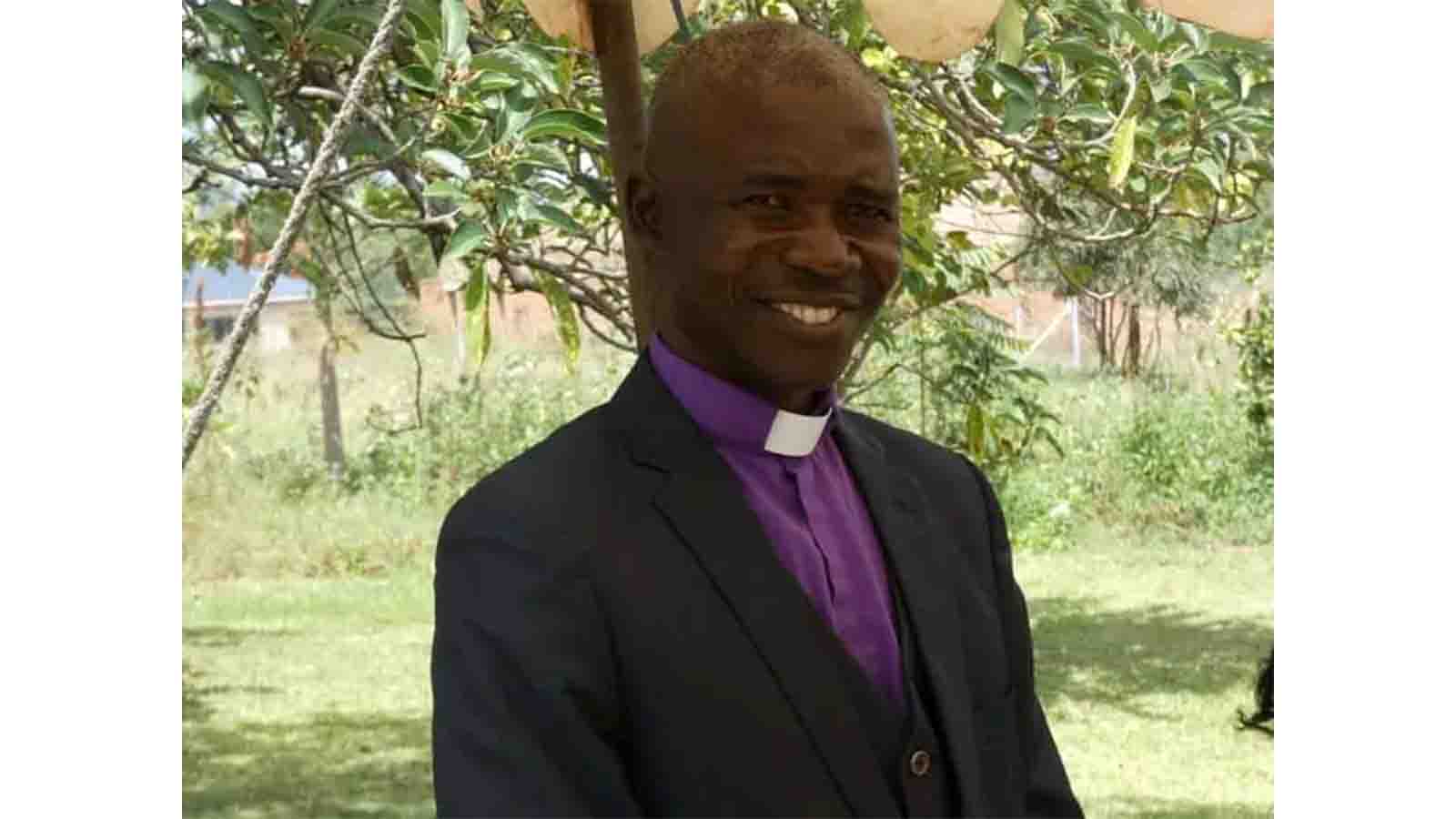
Men of Valour Purpose and Vision MVPV Global Network Ministry International visionary and founding International executive president Reverend Oliver Mandisodza said religious institutions must provide support to survivors rather than pressure them to remain in dangerous situations.
“Men and boys must actively participate in challenging harmful stereotypes that equate masculinity with domination and control,” he said.
“Equally, women must recognise that abuse is unacceptable regardless of who commits it. Communities must also stop shielding perpetrators simply because they are respected professionals, church leaders, relatives or influential members of society. Respectability should never become a hiding place for abuse.”