Vusumuzi Dube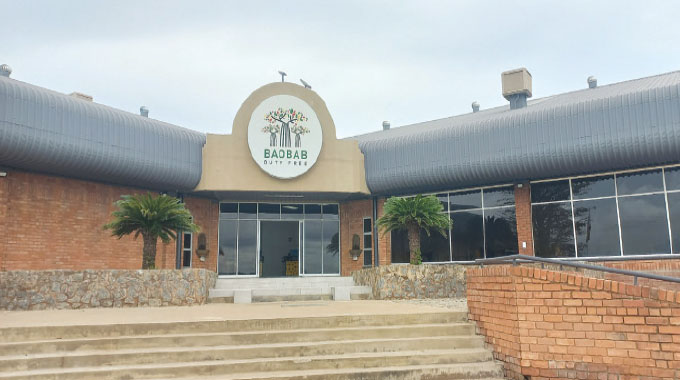
Thupeyo Muleya, Beitbridge Bureau
AFTER years of stagnation, the Beitbridge Duty Free Shop is re-opening its doors in a phased approach at the transformed border post, and the moment feels like a long-awaited breath of fresh air for cross-border travellers. What had become a forgotten shell at one of Southern Africa’s busiest transit points is stirring back to life, offering a renewed sense of convenience, dignity, and modernity to everyone passing through.
The re-opening is expected to elevate the travel experience for passengers and traders alike, bringing with it the long-missed charm of duty-free shopping. With shelves soon to be stocked with cosmetics, electronics, liquor and other essentials, the shop promises a comforting blend of necessity and indulgence. Beyond simply serving travellers, it opens a door to fresh business prospects for local entrepreneurs who will tap into the steady flow of cross-border movement.
The transformation of the Beitbridge border post itself, carrying a price tag of US$300 million under a public-private partnership between the Government and the ZimBorders Consortium, has reshaped the region’s economic heartbeat. What once felt like an exhausting bottleneck now operates with renewed efficiency. Automated systems, streamlined processes and three permanent terminals for freight, buses, light vehicles and pedestrians have significantly reduced congestion, breathing new order into a transit point that processes at least 12 000 travellers off-peak and 30 000 at peak. It is a striking symbol of what modernisation looks like when it is driven by long-term vision.
As the Government forges ahead in its mission to establish a world-class urban port at Beitbridge, the revival of the duty-free shop stands as another confident testament to its commitment to economic growth and local development. Under Baobab Duty Free company, the space is re-emerging in phases, with the first milestone already achieved: a restaurant now open to bona fide travellers and border staff, having begun operating on February 16 this year. The careful step-by-step approach reflects a desire to get things right, not merely fast.
“We are opening in a phased approach and so far we have opened the restaurant and we will begin the soft opening of the duty-free shop on March 23, pending the official opening in the next three to four weeks,” said Baobab Duty Free company’s director, Tinashe Mutemaringa.
His tone is measured, optimistic.
“We are expecting to have the official opening soon and to create more employment for the local community and to provide quality services that come with the modernisation of the Beitbridge border post. The facility will be open from 6am to 1pm from Monday to Saturday although this is subject to review as we progress.”
Inside the building, preparations are already underway as teams stock up on the essentials travellers rely on — from food and toiletries to electronic accessories, clothing, fragrances, and premium Zimbabwean products. Duty-free stores, by their very definition, offer that unique advantage of tax-free shopping for those journeying out of the country, their benefits governed by a matrix of regulations that vary from one jurisdiction to another. But at their core, they serve a simple, familiar purpose: making travel smoother, lighter, and a little bit more enjoyable.
In the grander scheme of things, duty-free facilities enrich the passenger experience, generate revenue for local authorities, create jobs, and support the natural ebb and flow of international trade. Before this latest revival, the Beitbridge duty-free building had begun to decay into a painful reminder of its former self — a near-abandoned space occasionally overrun by opportunists who turned it into a hunting ground for desperate travellers. Its rebirth, therefore, is more than cosmetic; it is restorative.
The shop was once a beloved stop, particularly in the 1990s after its opening in 1995, drawing residents and travellers from both Zimbabwe and South Africa. It held a certain magnetism — a place where people sought out local goods and small luxuries. That nostalgia is still alive.
“This is a welcome development, the shop will benefit locals, as they used to cross and buy wise waters across at the duty, push away vendors who sell food, and give confidence to travellers of standard products,” said Levi Gama, the local head of the Agriculture Inspectorate.
The sentiment is shared across the community. Chairperson of the Beitbridge Informal Traders Association, Mafios Macheka, emphasised how the reopening promises a boost to both ambience and the ease of doing business at the border.
“This is a good development for us informal cross-border traders, because we can now buy fresh, clean food while we do border formalities. It has created employment for our local people and our local Gross Domestic Product (GDP,” he said.
South Africa-based migration reporter, Nomazulu Moyo, echoed these views, highlighting how facilities like the duty-free shop support cross-border movement by offering a legal, convenient place to buy goods. She noted the difference that the border’s recent revamp has already made for frequent travellers.
“As someone who travels through Beitbridge often, I have also seen the impact of the recent revamp. The upgrades have made the crossing process faster and more organised, which is a big improvement compared to the past.
“Facilities like the duty-free shop also support cross-border movement by giving travellers a convenient and legal place to buy goods while in transit. In fact, the changes at Beitbridge are a welcome step in improving the efficiency of the border and making travel easier for people moving between South Africa and Zimbabwe,” said Moyo.
For many families, the transformation will bring immediate relief. Regular traveller Zibusiso Ndlovu remarked that the duty-free shop is “a game changer”, especially for parents navigating long queues with young children. He described how peak periods can trap travellers in long waits, and how having a safe, well-stocked shop nearby could ease some of that strain. Mr Ndlovu also pointed out that the newly opened restaurant and shop will offer cleaner, safer food options compared to makeshift vendors operating outside proper regulations.
Even the quieter voices in the queue find reason to celebrate.
“As a woman travelling with children at times, I appreciate the re-opening of this store at the border. It’s a huge relief knowing that one may buy some essentials, among them light snacks, or even just stretch my legs while waiting,” said one traveller who preferred anonymity. The simple comforts, it seems, matter most.
Travel and tourism consultant Bertha Mutowembwa also expressed her optimism. To her, the refurbished Duty Free Shop and Restaurant are poised to attract a wide mix of travellers, tourists, shoppers, and truckers — each contributing to a cycle of revenue and revitalisation.
“It offers convenience to tourists to buy souvenirs for themselves to remind them of their memorable stay in Zimbabwe and a chance to buy gifts for loved ones, while saving money as they are duty-free products. In addition, it also generates employment for the local communities and the restaurant offers quality healthy food prepared in a clean environment to service travellers and to the people deployed at the border post.”



 Online Reporter