Joshua Muswere
THE United Nations Educational, Scientific and Cultural Organisation (UNESCO) is conducting a three-day workshop at Tshebetshebe Primary School in Bulawayo, bringing together teachers and learners from five schools across Matabeleland South, Bulawayo and Matabeleland North.
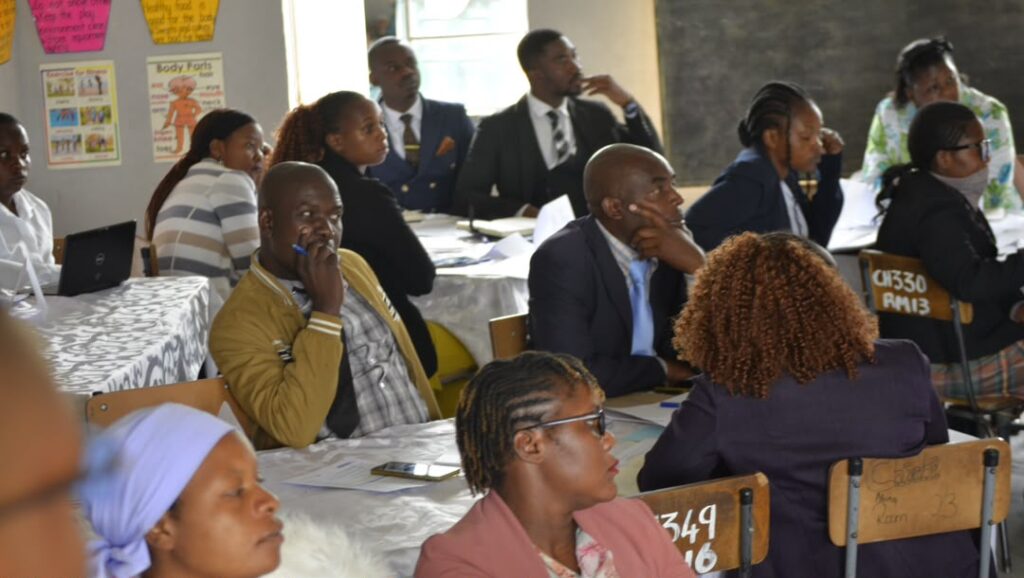
The programme, running under the theme “Strengthening Gender Transformative Pedagogies in STEM Subjects”, seeks to strengthen the capacity of Mathematics, Science and ICT teachers to design and deliver inclusive, gender-responsive lessons that enable all learners to participate and succeed.
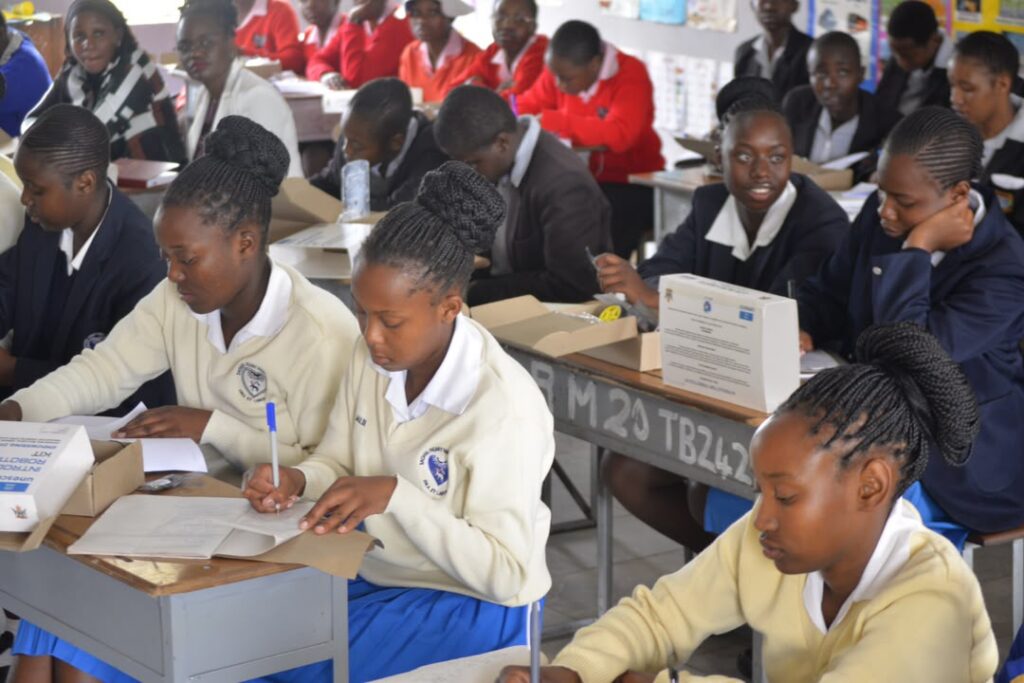
The workshop also includes a robotics bootcamp for 100 female learners drawn from the participating schools.
Bulawayo Schools Inspector for Non-Formal Education, Mrs Sibusisiwe Mpofu, said the initiative was aimed at empowering girls and equipping teachers with the skills to address gender disparities in Science, Technology, Engineering and Mathematics (STEM).
“We are here at Tshebetshebe Primary School, one of our primary schools in Bulawayo, where we are having a gender transformative workshop for teachers in Bulawayo and also conducting a robotics bootcamp for five schools in Matabeleland South, Bulawayo and Matabeleland North,” she said.
“We want to empower the girl child so that we can have a Smart Zimbabwe that aligns ourselves and the girl child with Vision 2030.”
Mrs Mpofu said the programme would also equip teachers with pedagogical knowledge to promote gender transformation in STEM subjects.
“We also want to equip teachers that are here with pedagogical knowledge in relation to gender transformation in STEM subjects, given that the girl child has often been left behind.”
She said the bootcamp would give girls an opportunity to develop innovative ideas and acquire skills that could help them contribute to Zimbabwe’s digital economy.
“We are hopeful that this bootcamp will empower the girl child as well as give them innovative ideas as they embark on the future, they can constructively contribute to improving Zimbabwe’s digital economy and prowess,” she said.
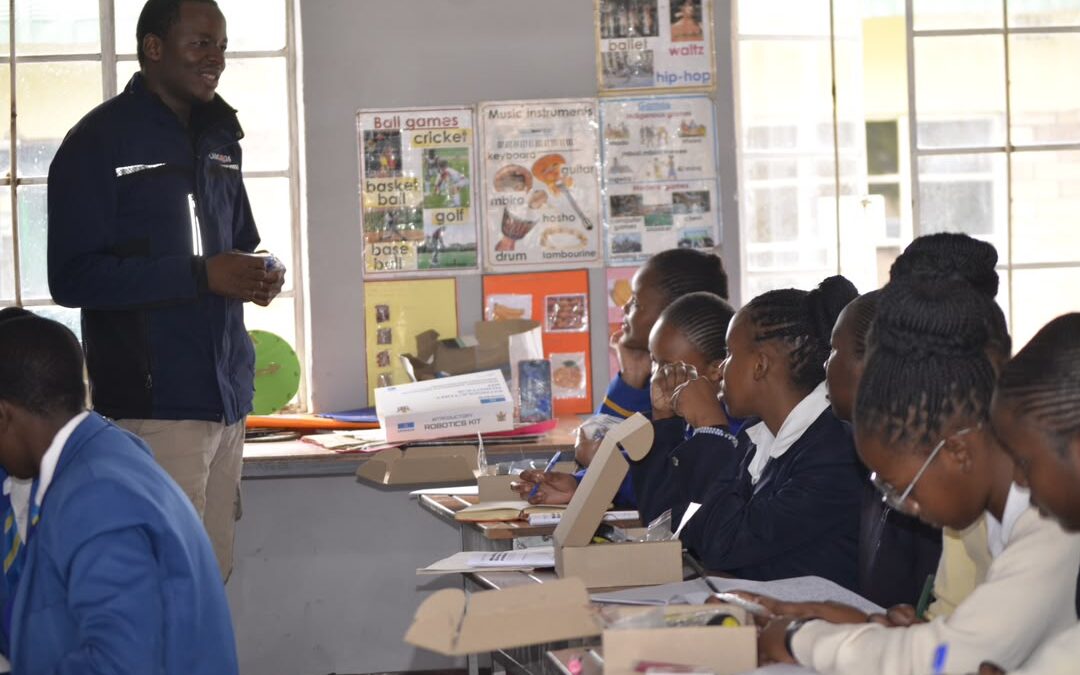
Robotics instructor Thandazani Vella said the bootcamp had started on a positive note, with learners being introduced to robotics through the construction of robotic vehicles.
“Today we partnered with UNESCO to give a lecture on the introduction to Robotics to female students drawn from five schools across three provinces and the turn out has been amazing. We have about 100 students and today we began with a robotic vehicle and we are building up that robotic car as we take the students through the process of assembling,” he said.
The learners are building a robotic vehicle designed to follow instructions, detect obstacles and manoeuvre without being controlled by a third party.
Mr Vella said introducing robotics in schools was important in preparing learners for a future increasingly shaped by Artificial Intelligence (AI).
“The introduction of robotics into schools is so that we equip students with the ability to adapt to a rapidly evolving era facilitated by Artificial Intelligence. If someone is able to do robotics and incorporate AI into that, that’s the environment we want to try and create amongst the students and overall contribute to the technological and digital aspirations of the country,” he said.
The initiative comes as Zimbabwe seeks to bridge the gender gap in STEM education and align its education system with Vision 2030 and the National Development Strategy 1 (NDS1), which prioritise digital skills, innovation and industrialisation.
Although girls and boys have relatively similar access to primary education, girls remain underrepresented in some STEM subjects at secondary and tertiary levels. Gender stereotypes, limited access to female role models and ICT infrastructure, as well as teaching methods that do not adequately address gender disparities, are among the barriers to their participation.
Gender-transformative pedagogies seek to go beyond simply increasing girls’ access to STEM education by changing classroom practices, language, examples and assessment methods that may reinforce gender inequalities.
The integration of robotics and AI into basic education also supports the development of practical skills, problem-solving, critical thinking and innovation, which are central to Zimbabwe’s ambition to build a Smart Zimbabwe.