Freedom Mupanedemo
THERE are cities that grow quietly, almost unnoticed, and then there are moments when a city announces its intentions to the world. In Gweru, that moment arrived with the unveiling of a gleaming fleet of machinery worth US$1,5 million — a collection of equipment that promises not merely to move earth, collect refuse or repair roads, but to help reshape the everyday experience of life in Zimbabwe’s Midlands capital.
For years, residents have navigated pothole-riddled roads, endured intermittent service delivery challenges and watched as the demands of a growing city stretched municipal resources. Now, there is renewed optimism that cleaner streets, smoother roads and more responsive public services may no longer be distant aspirations but visible realities.
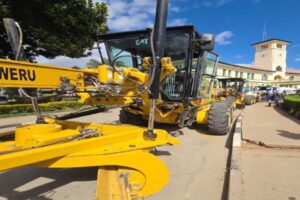
The investment, funded entirely from Gweru City Council’s own coffers, represents one of the most significant commitments by the local authority towards improving the quality of life for residents and creating a more functional urban environment.
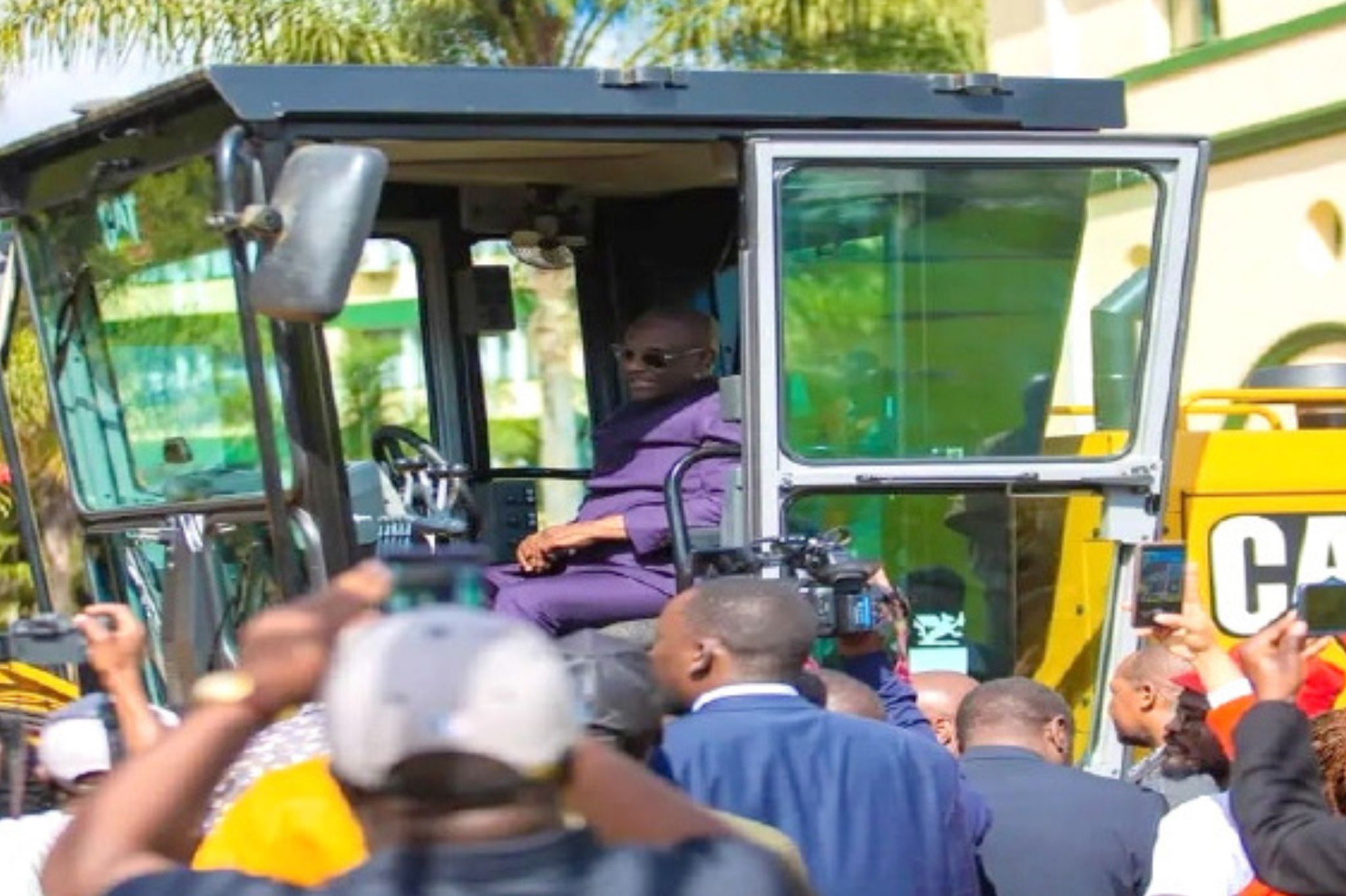
Standing proudly among the newly acquired fleet were an excavator, two graders, a water bowser, a road marking machine, a double-drum vibratory roller, a vibratory plate compactor, a jumping jack compactor, two rotary mower slashers, a skip bin, two fire engines, four Gwenhoro low-lift electric motors, two 75-horsepower tractors and a utility vehicle.
Individually, they are pieces of machinery. Collectively, they represent the engines of transformation — tools that will help build roads, improve sanitation, strengthen emergency response systems and enhance the city’s ability to deliver essential services to its residents.
The commissioning ceremony carried an air of significance beyond the machines themselves. It was a statement of intent, reflecting broader national efforts to strengthen local authorities and improve service delivery through devolution.
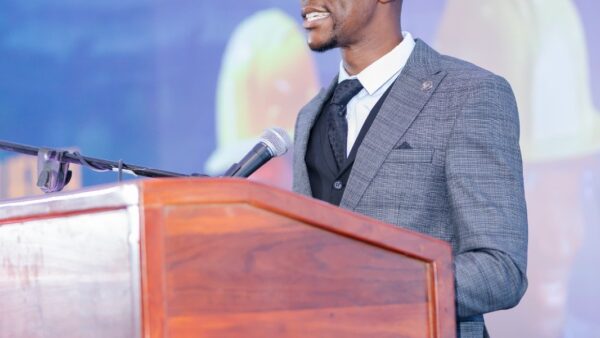
Officiating at the event, Midlands Provincial Affairs and Devolution Minister Owen Ncube described the occasion as a landmark moment for the city.
“It’s indeed a pleasure for me to officiate on yet another landmark occasion of the commissioning of the City of Gweru’s newly acquired plant and equipment that includes an excavator, two graders, a water bowser, a road marking machine, a double drum vibratory roller, a vibratory plate compactor, a jumping jack compactor, two rotary mower slashers, a skip bin, two fire engines, four Gwenhoro low-lift electric motors, HP tractors and a utility vehicle, all valued at US$ 1,5 million, “ he said.
His remarks reflected a wider vision of development in which local authorities are expected to become key drivers of economic growth and improved public services. The acquisition, he said, resonates with the Second Republic’s emphasis on accountable governance and efficient service delivery under the “No Compromise to Service Delivery” blueprint.
Across the country, municipalities are increasingly being challenged to move beyond administration and become active agents of transformation, creating environments where residents can live, work and invest with confidence.
Ncube said the initiative was consistent with a national push to establish measurable standards for local authorities, ensuring they contribute meaningfully to Zimbabwe’s socio-economic development aspirations. Within that context, Gweru’s investment in modern equipment serves as both a practical intervention and an example of what can be achieved when local resources are strategically deployed.
“In this regard, I commend Gweru City Council, yet again, for its resourcefulness and prioritisation of the procurement of key plant and equipment, known as yellow machines, using its own revenue to ensure a comprehensive road rehabilitation programme that includes filling potholes on our road network, “ he said.
The minister’s praise was anchored in the philosophy of Nyika inovakwa nevene vayo/Ilizwe lakhiwa ngabanikazi balo — the belief that sustainable development is best achieved when citizens, investors and institutions work together towards a common goal. In many ways, the fleet symbolises that philosophy, representing the tangible fruits of local revenue being reinvested into local development.
At the heart of the discussion was the critical issue of revenue collection, often an emotive subject in many municipalities. Yet the minister argued that effective service delivery and the willingness of residents to meet their financial obligations are intertwined. Without resources, roads remain damaged, refuse accumulates and critical infrastructure deteriorates.
With resources properly managed, however, cities can gradually transform themselves.
“I, therefore, implore residents and corporates to pay their bills and council to ensure transparency and accountability through compliance with corporate governance standards, diligent contract management and addressing public concerns raised through the Citizen Engagement Score Card recently launched by President Mnangagwa, “ he said.
His comments underscored an equally important principle: that revenue collection must go hand in hand with transparency, accountability and responsible stewardship of public funds. Residents are more likely to support municipal initiatives when they can see visible improvements in the services they receive.
The minister also highlighted several projects that have already begun to alter the city’s landscape. Recent resurfacing and maintenance works along Chidanana Road and improvements on Sixth Street are examples of infrastructure interventions that are gradually changing both the appearance and functionality of the city. These projects, coupled with beautification initiatives, renovations at Town House and upgrades at the Gwenhoro Water
Treatment Works, point to a municipality attempting to modernise itself while responding to the practical needs of a growing urban population.
But amid the praise was a reminder that much work remains to be done.
“However, I urge Gweru City Council to accelerate the resurfacing of urban roads, improve road markings, attend to potholes at the Mvuma Roundabout and other high-density suburb roads, among them Ascot, Mtapa, Mkoba, Senga and Woodlands,” he said.
For residents navigating these roads daily, the call will resonate deeply. Road conditions often shape a city’s image just as much as its skyline, influencing everything from business activity to public confidence. The newly commissioned equipment is therefore expected to play a critical role in addressing long-standing infrastructure deficiencies that have frustrated residents for years.
Beyond roads, Ncube identified a broad spectrum of service delivery challenges that continue to affect everyday life, from water shortages and uncollected refuse to malfunctioning traffic lights and inadequate urban infrastructure.
These are the issues that define a resident’s daily experience of a city, and they are the issues the council is now under growing pressure to address.
He also emphasised the need for improved street lighting, better public sanitation facilities, modern vending infrastructure and measures to ease congestion along key transport corridors, particularly the stretch between the Dairy Board Roundabout and Mtapa Police Station.
“I entreat the City of Gweru to emulate and complement the Second Republic under President. Mnangagwa’s transformational, impactful signature infrastructure projects and programmes that include state-of-the-art road networks, power generation plants, model schools, mini-hospitals and Public-Private Partnerships in waste management, smart metering, development of market trading bays for SMEs and investments to grow their local GDP, “ he said.
For Gweru Mayor Councillor Martin Chivhoko, the significance of the acquisition lies in its practical impact on residents. New machinery means improved capacity. Improved capacity means quicker responses to service delivery challenges and ultimately a better quality of life for communities across the city.
“This is the commissioning of City of Gweru newly acquired plant and equipment… all valued at US$1,5 million. This is expected to enhance service provision,” he said.