Online Reporter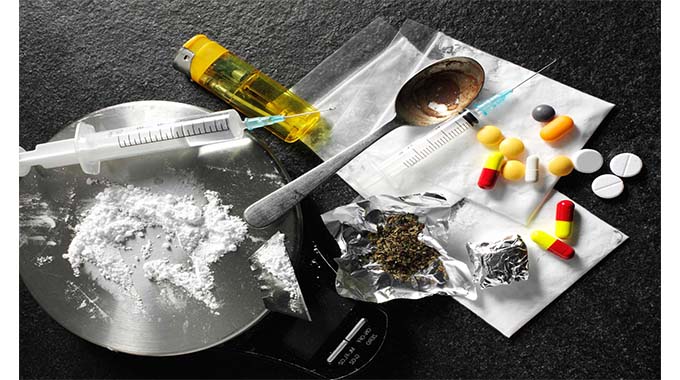
Stephen Mpofu, Perspective
YES, be warned: illegal drugs can destroy lives — sometimes literally. It is wise not to be swayed by mob psychology, as is increasingly the case with young people turning to drugs and substances. A story published in this newspaper four days ago is a stark reminder of how fatal drug and substance abuse among young people can be.
According to the police, in a Mabuthweni home in Bulawayo — infamous for all-night drug binges — a heartbreaking tragedy unfolded when a two-month-old baby boy died, allegedly after being breastfed by his mother who was intoxicated with crystal meth.
An increasing number of young people are being sent to rehabilitation centres after resorting to drugs and substances as a consolation for failing to continue with their education or secure jobs due to a lack of skills.
What is worse in the tragic circumstances mentioned above is that some parents or guardians of young people hooked on drugs behave like parental birds that carefully nurse their unhatched eggs in nests but abandon their fledglings before they learn how to fly and fend for themselves.
But young human beings are not like bird fledglings — they must be protected by their parents or guardians until they secure gainful occupations and become self-reliant and independent.
It could not be ascertained before going to press whether any legal sanctions exist against guardians or parents who leave unemployed youths in their custody to their own devices instead of doing everything possible to empower them for better lives.
Many families feel overwhelmed by the rapid rise of drug use among the youth. Some do not know where to turn for guidance, while others fear the shame that comes with admitting their children need help.
This silence allows the problem to grow. Communities need safe spaces where parents and young people can seek support without feeling judged or dismissed. Honest conversations save lives.
There is also a need for better information at community level. Many young people experiment with drugs out of curiosity or peer pressure without understanding the risks. Schools, churches, clinics and youth groups can play a stronger role by providing clear and practical education about addiction.
Real stories told by affected families can have a stronger impact than pamphlets that no one reads. When the message is human, the warning becomes real.
Support systems must also go beyond awareness. Young people need real alternatives that help them imagine lives outside drugs.
This includes mentorship, training centres, sports programmes and safe community spaces. When youth see paths to dignity and purpose, they are less likely to fall into substance abuse. Prevention becomes stronger when opportunities match the hopes young people carry.
Whatever the situation, this communicologist humbly believes that Primary and Secondary School curricula should include advanced subjects such as Wood Technology and Design, Building and Construction, Metal Technology and Design, among others, for students unable to proceed to university for specialised courses.
This would create better employment opportunities and prevent idleness that often leads to criminal activities.
That way, the incumbent Government will fulfil its mantra of leaving no place and no one behind in development — giving Zimbabweans brave new futures.