Online Reporter
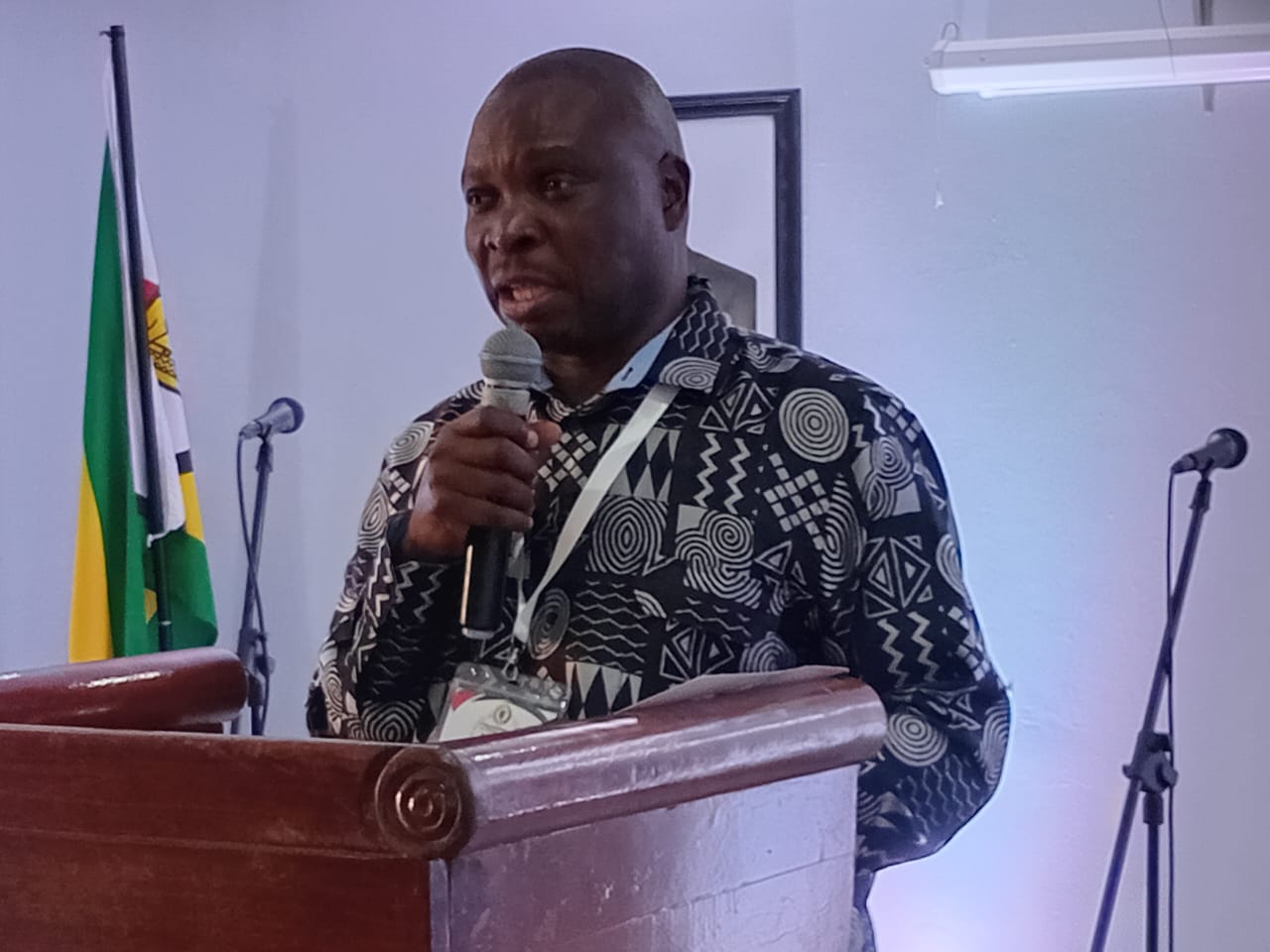
Cliff Chiduku, [email protected]
In today’s digital world, social media has become an extension of our lives. For many people, the day begins and ends with a quick glance at Facebook, WhatsApp, X, Instagram, TikTok, or LinkedIn.
The internet has become the new public sphere where ideas are exchanged, friendships are nurtured, businesses are promoted, and careers are built.
Yet, while social media offers countless opportunities, it also comes with significant risks. It is a double-edged sword. It can inform and educate, but it can also destroy reputations and careers if used irresponsibly.
The old saying that “words spoken cannot be taken back” has acquired a new meaning in the digital age. Today, what we post online can remain there forever. The internet does not forget.
Many people, particularly young people, are under immense pressure to gain likes, followers, and shares. In the pursuit of online popularity, some end up posting content that is offensive, controversial, misleading or outright inappropriate. A few seconds of excitement can lead to years of regret.
One of the biggest misconceptions is that social media is private. It is not.
That joke we post today, the insulting comment directed at someone, the picture taken while intoxicated, or the hateful remark made in anger may seem insignificant at the time. However, these posts create a digital footprint that can follow us for years.
The job market has become increasingly competitive, and employers are leaving no stone unturned when searching for the right candidates.
In Zimbabwe, many organisations have intensified their recruitment processes. Employers are no longer satisfied with merely checking academic qualifications and references. They are increasingly turning to social media to gain deeper insights into prospective employees.
Human resources practitioners often say that a person’s social media profile can reveal more about them than their CV. Our online activities provide clues about our values, attitudes, judgment and professionalism.
I have personally encountered cases where highly qualified candidates failed to secure employment because of what recruiters discovered online.
A few years ago, a young graduate who had performed exceptionally well in interviews was reportedly denied an employment opportunity after the recruiting organisation stumbled upon a series of offensive and vulgar posts on his social media accounts. The posts raised concerns about his professionalism and emotional maturity.
In another case, an employee lost his job after posting confidential company information on social media. What was intended as an innocent post ended up violating company policy and breaching trust.
There are also numerous examples of individuals whose careers have been derailed because of inflammatory political comments, cyberbullying, or inappropriate photographs that resurfaced years later.
The lesson is simple: your social media presence matters.
As the saying goes, character is what you do when nobody is watching. In today’s world, social media often reveals that character.
Many young people spend years working hard to obtain qualifications, only to undermine their prospects through careless online behaviour. A first-class degree may open the door, but an inappropriate digital footprint can close it just as quickly.
Beyond employment, irresponsible social media use can expose individuals to legal consequences. Defamation, hate speech, spreading false information, and sharing confidential information can all result in lawsuits and, in some cases, criminal charges.
In Zimbabwe, there have been instances where individuals have been arrested or taken to court over comments made on social media platforms. The perception that one can hide behind a smartphone or an anonymous account is increasingly proving to be false.
Before posting anything online, it is important to ask yourself if you would be comfortable if your employer saw the post. If the answer is no, then it may be wise not to post it at all.
This is not to suggest that people should avoid social media altogether. On the contrary, social media remains one of the most powerful tools for networking, learning and professional growth.
Many entrepreneurs have built thriving businesses through social media. Professionals have secured employment opportunities through LinkedIn. Students have gained scholarships and mentorship opportunities through online networking. Universities, companies, and organisations are increasingly relying on digital platforms to communicate and engage with stakeholders. The key is responsible usage.
Social media should be used to build, not destroy; to inspire, not demean; and to create opportunities, not close doors.
As I often tell many young professionals, your digital footprint is your online reputation. It is your personal brand. Protect it. Guard it carefully. Think before posting because in the digital age, the internet never forgets, and your social media footprint may one day determine whether you get the job, the promotion, the business opportunity — or none of them.
l Cliff Chiduku is the director of marketing and public relations at Lupane State University. For feedback, email: [email protected]