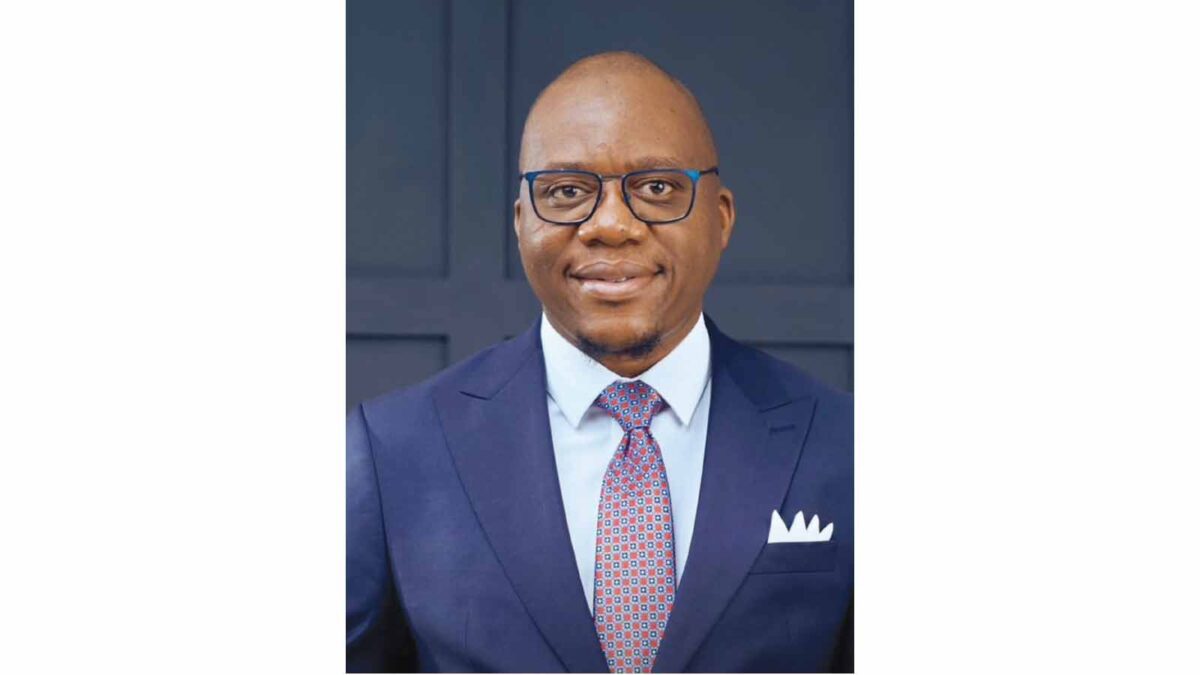
Nicholas Bhero
Europe’s single market was not built by investors. It was built by those willing to lose money. Germany, France, and, for a time, Britain paid into budgets they never fully recovered, underwrote common standards, defended open borders, and stood behind a single currency when it wobbled.
That spending was not investment in the accounting sense. It was a sunk cost — the price of responsibility. What it bought was something no balance sheet captures: the right to shape the market and a brand at its centre.
The bargain held while the returns outweighed the burden. When the scales tipped, Britain walked away. Germany kept paying, but carefully, guarding its own skin first. Russia read the hesitation as weakness and pushed.
The lesson is blunt: a united market needs someone willing to carry costs others will not, and when that someone flinches, rivals move in.
Africa is now assembling the largest free-trade area in the world by number of countries: the African Continental Free Trade Area (AfCFTA), which Zimbabwe is member of.
Uniting 55 member states of the African Union into a single market of over 1,4 billion people with a combined gross domestic product of roughly US$3,4 trillion, tariffs are coming down on paper.
What is missing is the anchor: the actor is prepared to spend, unrecoverably, on the things that make a market feel like a home—security, welfare, common standards, lobbying for open borders and, eventually, a shared currency.
The continent has glimpsed this before.
Nigeria once spent heavily keeping the peace in West Africa; South Africa has long carried weight in its own region. But national treasuries are stretched and regional blocs are fraying as Sahel States break away from their neighbours.
As in Europe, the cracks have not gone unnoticed abroad. That window is open, but it is closing. Every year it stays vacant, foreign interests fill the gaps on their own terms.
China is the obvious contender, and its roads, ports and railways are real. But Beijing does not believe in sunk costs. Its spending is an exchange: infrastructure for resources, loans for influence, access for alignment.
That builds dependence, not affection. The Gulf states, Turkey, Russia and India largely play the same game.
Western donors once took the patient role (America’s AIDS programme bought more goodwill than any trade deal), but that generosity is in retreat.
That leaves an opening that is less geopolitical than commercial. The question for business leaders is not who will invest in Africa — plenty will.
The question is who will absorb costs that never return to the ledger and, in doing so, become inseparable from the continent’s idea of itself.
Some companies already show the shape of it. Safaricom’s M-Pesa did not just sell a service; it built financial infrastructure that millions now treat as a public good.
Firms that train regulators, harmonise standards across borders, fund security along trade corridors, or carry health and welfare costs in the communities they serve are doing the work European governments once did.
They are spending down the drain and buying the one asset that cannot be purchased later at any price: trust earned before it was profitable.
Brands built this way do not compete on price; they become part of the market’s architecture.
When the continent’s 1,4 billion people finally trade as one, they will remember who stood with them when it was expensive to do so.
Europe shows what happens when the responsible party tires of the bill. Africa has the chance to choose its anchor deliberately, or to let one choose itself.
The companies and countries that blend brand with responsibility now will own the heart of the world’s next great market. Everyone else will simply be selling into it.
He can be contacted at: +44 7951 781988