Takemore Mazuruse
Rooted in tradition, shaped by discipline and driven by a commitment to sustainable development, Engineer Collins Mnangagwa is building a diversified business portfolio across mining, energy, drilling, exploration and logistics, with an ambition that extends beyond commercial success to lasting economic and social impact.
For Eng Mnangagwa, entrepreneurship is about more than establishing businesses or expanding a corporate portfolio.
It is about building credible institutions, creating opportunities for others and leaving behind a legacy that continues to make a difference long after individual achievements have faded.
His business journey reflects a philosophy shaped by traditional values, parental guidance and formative experiences in rural Zimbabwe, where respect, hard work, responsibility and community solidarity remain central to everyday life.
These early influences helped mould a determined entrepreneur whose ambitions are increasingly reflected in a diversified group of interests spanning strategic sectors of the economy.
At the heart of his philosophy is a belief that success must be earned through competence, consistency and character.

“I am a firm believer in hard work, respect for others, giving back to the community and a never-say-die spirit,” said Eng Mnangagwa in an interview.
“Running a business is no stroll in the park, but I am glad that my strength of character, coupled with a shared unit of purpose, has helped us attain measurable success.”
For Eng Mnangagwa, the pursuit of business growth is inseparable from the responsibility to create value for families, strengthen communities and contribute to Zimbabwe’s broader economic development.
The foundations of character and enterprise
Eng Mnangagwa’s grounding in tradition has played an important role in shaping his approach to leadership.
The guidance he received from his parents, together with the time he spent with his grandmother in rural areas, exposed him to values that continue to influence his personal outlook and business philosophy.
Those formative experiences offered lessons in perseverance, respect for others, humility and the importance of understanding one’s responsibilities within a wider community.
They also reinforced an appreciation of the cultural traditions and social relationships that underpin sustainable community development.
Rather than viewing tradition and modern enterprise as competing forces, Eng Mnangagwa’s outlook brings the two together.
His entrepreneurial ambitions are informed by an appreciation of where he comes from and an understanding that meaningful progress must remain connected to the people whose lives businesses ultimately affect.
This grounding has helped shape a strong-willed and determined business leader, one who sees challenges as part of the entrepreneurial journey and persistence as an essential ingredient of lasting success.
His philosophy reflects a broader understanding of leadership: that building a successful enterprise requires more than ambition.
It demands resilience, sound judgement, the ability to work with others and the discipline to remain focused when circumstances become difficult.
Building a diversified business legacy
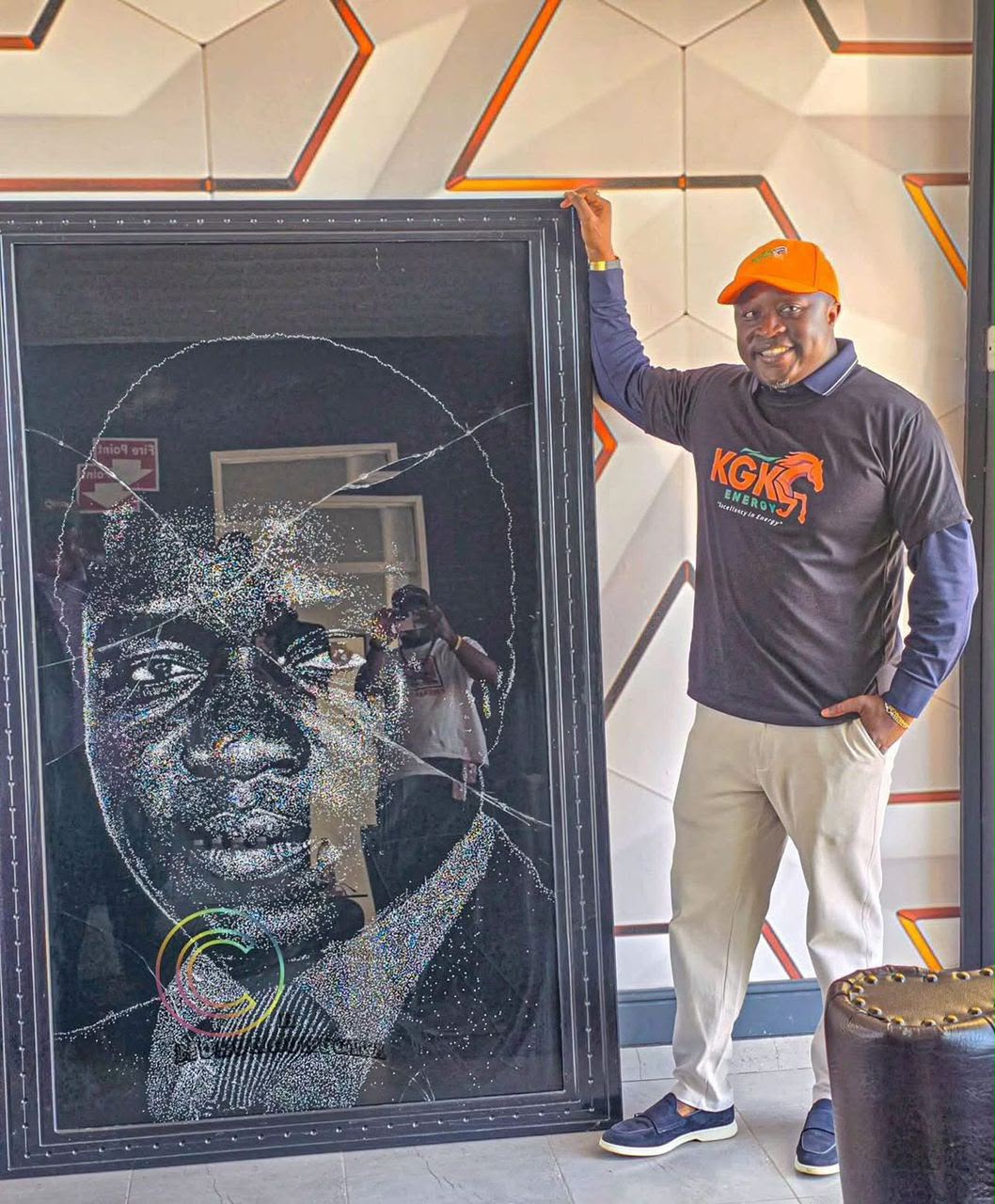
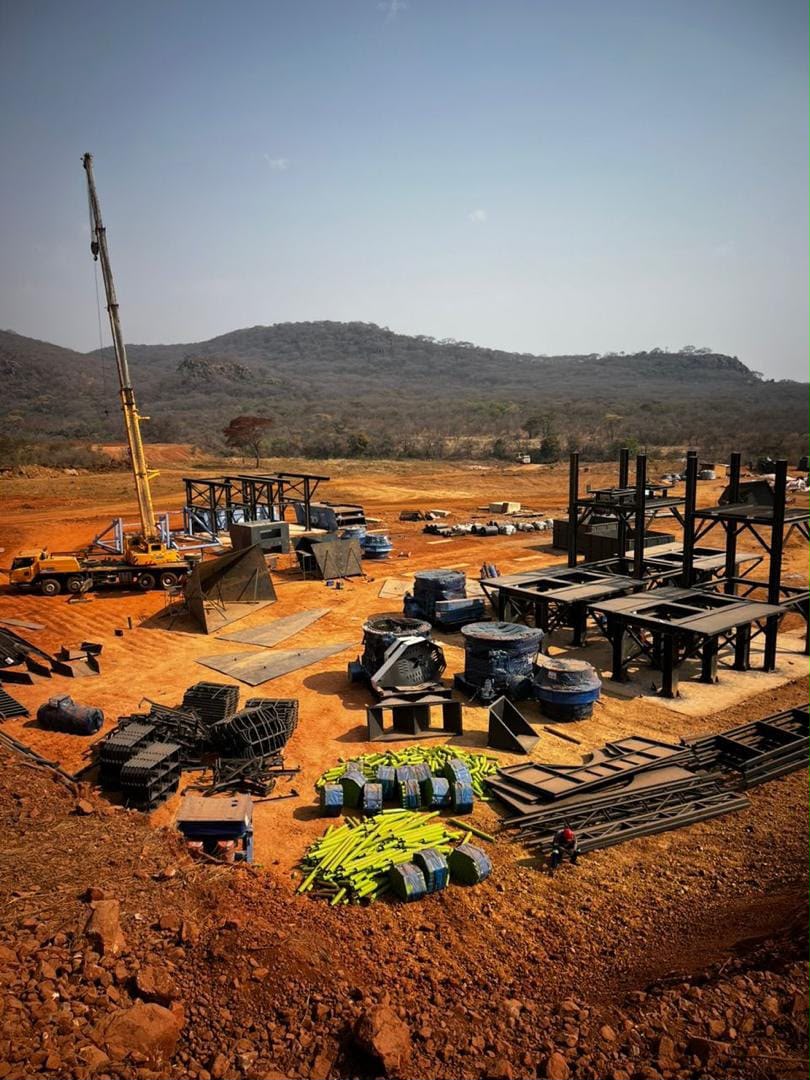
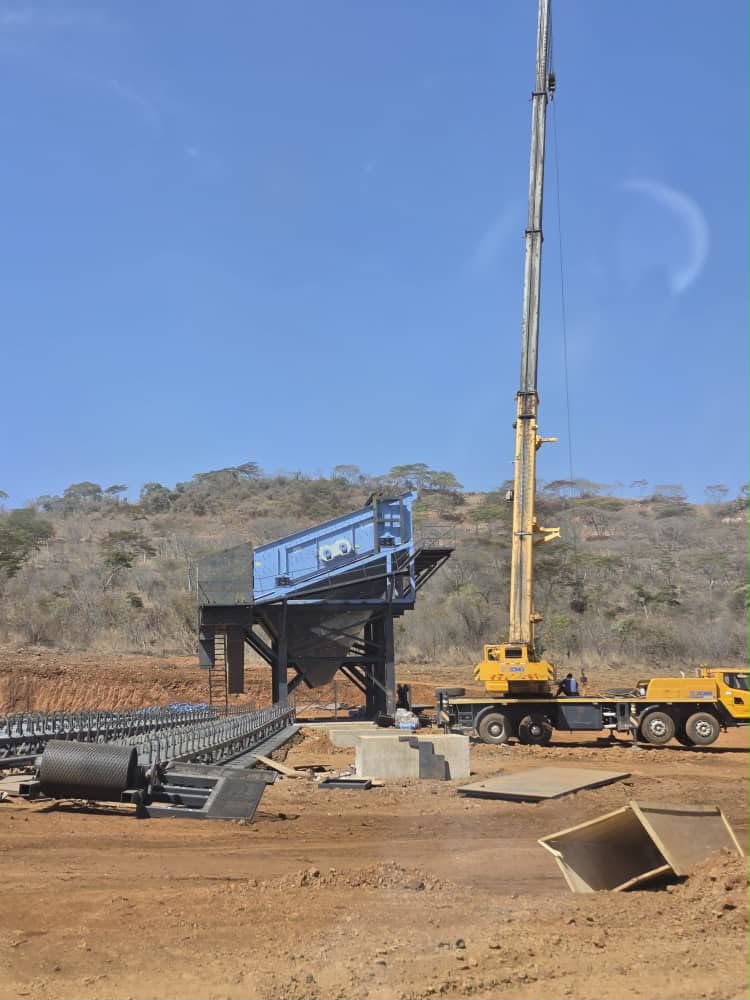
These principles find practical expression in Eng Mnangagwa’s leadership across a diversified business portfolio with interests in mining, drilling, exploration, energy and logistics.
As Board Chairman of ZIMCHINA Investments (ZimCn), he oversees a business group that includes KGK Energy and other ventures operating across strategic areas of commercial activity.
The group’s interests place it within sectors that are important to industrial development, resource utilisation, infrastructure and the movement of goods and services.
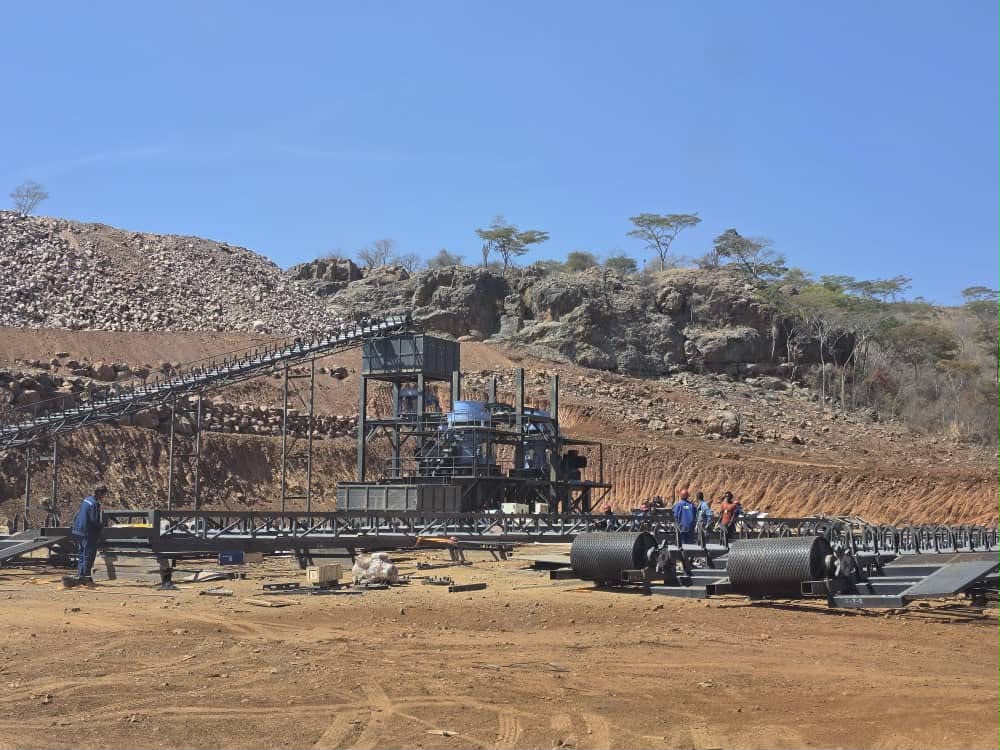
In mining, the emphasis on responsible operations, regulatory compliance and sustainable practices is central to building enterprises capable of delivering long-term value.
The drilling and exploration sectors provide opportunities to support resource development, while energy remains an important component of industrial productivity and economic activity.
Logistics, meanwhile, plays a vital role in connecting production to markets, facilitating trade and supporting the infrastructure upon which economic growth depends.
Through his executive leadership at KGK, Eng Mnangagwa views the sector as an important contributor to Africa’s development ambitions.
For him, diversification is not simply about entering different industries.
It is about building operational capacity, developing capable teams and establishing businesses that can respond to changing market conditions while maintaining credible standards.
“I didn’t just wake up with oversight over a diverse business portfolio. Everything that we are now managing and running took years of training, mentorship and business discipline,” he said.
His statement underscores a central feature of his entrepreneurial outlook: that leadership responsibility is built over time through preparation, experience and the willingness to learn.
As his business interests evolve, Eng Mnangagwa believes the task is to strengthen the foundations of each enterprise, ensure accountability and identify opportunities for growth without losing sight of the principles that sustain a credible business reputation.
“We haven’t arrived yet, but the results to date are encouraging,” he said. “We have continued to innovate and reinvent in sync with the dynamic trends of our various areas of interest.”
His approach places emphasis on long-term thinking, adaptability and the continuous improvement of business operations.
In sectors where regulatory requirements, market conditions and operational demands can change significantly, the ability to adjust while remaining disciplined is essential.
Credibility built through competence, not assumptions
Operating in business environments where public perception can sometimes be influenced by family background, Eng Mnangagwa maintains that professional credibility must be established through performance rather than assumptions about privilege or influence.
He argues that support systems may offer encouragement, but they cannot replace the technical competence, strategic thinking and operational discipline required to build and sustain successful enterprises.
“Even where family support exists, it is not a substitute for competence,” said Eng Mnangagwa. “I have never treated influence as a shortcut or success as something that comes with the name.”
For Eng Mnangagwa, the real test of leadership lies in how businesses perform, how challenges are resolved and whether commitments translate into tangible outcomes.
“My business and leadership reputation were built by showing up, working through operational challenges and making sure ventures are run with discipline, accountability and care,” he said.
This emphasis on accountability is particularly significant in capital-intensive sectors such as mining, energy and logistics, where operational decisions have implications for employees, suppliers, investors, surrounding communities and the wider economy.
His stated leadership philosophy places responsibility on those at the helm to understand the realities of their operations, remain engaged in decision-making and ensure that business objectives are pursued within appropriate governance and compliance frameworks.
Such an approach positions credibility as an asset that must be continually earned, rather than a status that can be assumed.
Business growth with a human face
Beyond the commercial ambitions of his business portfolio, Eng Mnangagwa places considerable emphasis on the relationship between enterprise and community development.
His philosophy is that businesses should contribute to the wellbeing of the societies in which they operate.
While profitability remains necessary for sustainability, Eng Mnangagwa believes the broader value of entrepreneurship must also be measured by the opportunities it creates, the livelihoods it supports and the challenges it helps communities overcome.
“Our goal is not only profit, but positive transformation, to build social impact that can be felt in households,” he said.
This outlook reflects an understanding that economic development is ultimately experienced by people.
The growth of businesses and industries becomes more meaningful when it contributes to household resilience, skills development, employment opportunities and improved access to essential support.
Eng Mnangagwa’s community initiatives include food assistance programmes, including maize donations, as well as support for skills training for disadvantaged people.
His interventions also extend to youth training in first aid and ambulance technology, assistance to alluvial miners through advanced equipment and mentorship for emerging entrepreneurs.
Through TAZ co-patronage, he has also supported disadvantaged families, while his mentorship initiatives seek to encourage young people to approach entrepreneurship with confidence, preparation and a clear sense of purpose.
“Some of our community-related initiatives include maize donations, funding skills training for the less privileged, helping alluvial miners, co-patronage and mentorship programmes,” he said.
These initiatives reflect different dimensions of social support, from addressing immediate household needs to investing in the skills, tools and knowledge that can help people improve their circumstances over time.
He is particularly conscious of the distinction between temporary relief and sustainable development.
While emergency assistance can be essential during difficult periods, Eng Mnangagwa believes long-term interventions should help communities build capacity and develop solutions that endure.
“We don’t only focus on emergency interventions, but also invest in developmental support that ensures community-based and sustained solutions,” he said.
This principle speaks to a broader vision of responsible enterprise: one in which the private sector can complement wider development efforts by supporting local capabilities, strengthening livelihoods and helping create pathways to economic participation.
Leadership that respects people and culture
Eng Mnangagwa’s leadership philosophy is also informed by the importance he places on humility, active involvement and respect for local customs.
For him, effective leadership cannot be exercised entirely from the boardroom.
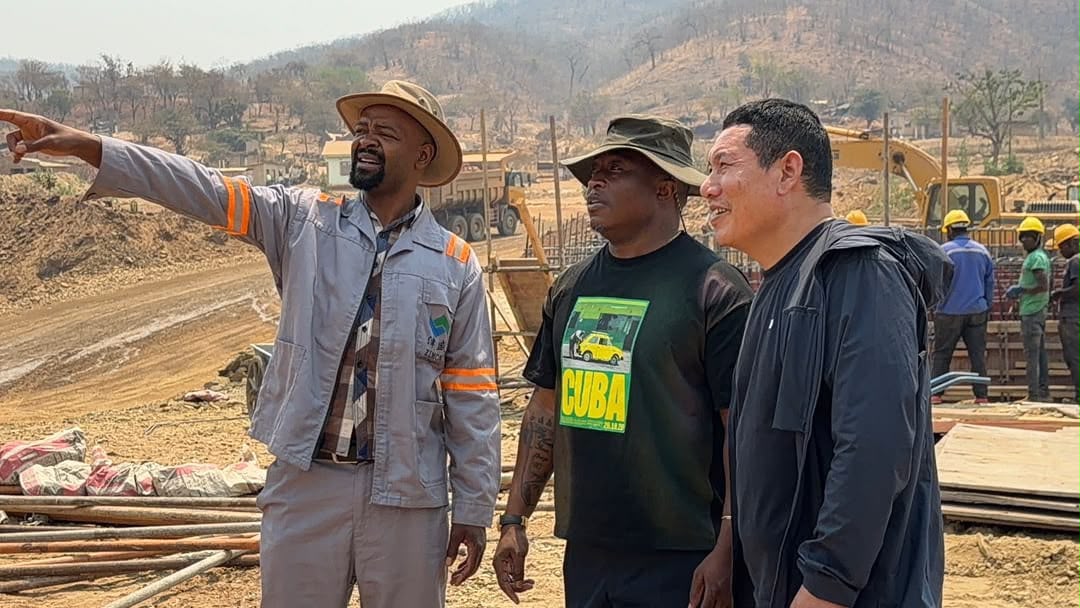
It requires an understanding of operational realities, meaningful engagement with people and a willingness to listen to communities affected by business activities.
He believes that enterprises operating in different parts of Zimbabwe must appreciate the social and cultural contexts in which they function.
Communities are not simply locations in which projects are implemented; they are made up of people with histories, traditions, expectations and legitimate interests.
“My leadership style is that of leading from the front, getting actively involved in the operations of the business and meaningful engagement begins with understanding local ways of doing things,” said Eng Mnangagwa.
“In the areas we work in, we do not approach community life as if it is a stage set; any meaningful engagement must be anchored in respect.”
This perspective is particularly relevant to sectors such as mining and exploration, where the relationship between businesses and surrounding communities can influence trust, cooperation and the long-term sustainability of operations.
Respectful engagement, responsible conduct and clear communication can help build the relationships necessary for enterprises to operate credibly and contribute positively to local development.
His approach reinforces the view that leadership is not only about directing people towards commercial objectives, but also about understanding the people, institutions and communities with whom those objectives intersect.
Building for the long term
As ZimCn and its associated ventures continue pursuing opportunities across their respective sectors, Eng Mnangagwa’s stated ambition is to strengthen the businesses under his leadership, while expanding their contribution to economic and social development.
The journey, he acknowledges, remains a work in progress.
The focus is on developing operational capacity, responding to emerging opportunities and building institutions that can sustain growth beyond individual milestones.
For him, innovation is best understood as a continuous process of improvement rather than a fashionable corporate expression.
It involves reviewing established practices, adapting to industry developments and finding better ways to deliver results.
Equally important is the belief that strong businesses must be built on legitimate commercial activity, sound governance, accountability and a clear sense of purpose.
The measure of a lasting business legacy, in this regard, is not merely the number of companies established or the breadth of industries entered.
It is the ability to build credible enterprises that generate economic value, support livelihoods, develop people and remain relevant over time.
“My overall goal is to leave a lasting difference while simultaneously empowering the marginalised and advancing community development across Zimbabwe,” said Eng Mnangagwa.
“I believe this is just the beginning, the best chapters are yet to come.”
A legacy defined by impact
Eng Mnangagwa’s entrepreneurial story is ultimately one of ambition shaped by values.
His grounding in parental guidance and rural traditions informs a leadership outlook that places hard work, respect and perseverance at its centre, while his business interests reflect an ambition to establish a lasting presence across strategic sectors of the economy.
Through mining, drilling, exploration, energy and logistics, he is pursuing a diversified business vision in which operational discipline and long-term growth are essential to building credible enterprises.
His community initiatives add another dimension to that vision, expressing the conviction that business success should translate into tangible benefits for households and communities, particularly those facing economic and social disadvantages.
Eng Mnangagwa is leading a major renovation and rehabilitation project at the historic Matapi Flats in Mbare, Harare, through the ED AID 1 foundation.
The broader legacy he seeks to build rests on the relationship between enterprise and responsibility: businesses that perform, leaders who remain accountable and success that creates opportunities beyond the immediate interests of the organisation.
In a world where corporate stature is often measured by scale and financial performance, Eng Mnangagwa’s stated ambition is to pursue a more enduring measure of achievement, the ability to build institutions that contribute to economic progress, while helping people and communities move forward.
For Eng Mnangagwa, the journey is far from complete.
The ambition is not simply to build businesses that succeed today, but to establish a legacy of credible enterprise, responsible leadership and meaningful impact that future generations can build upon.