admin
admin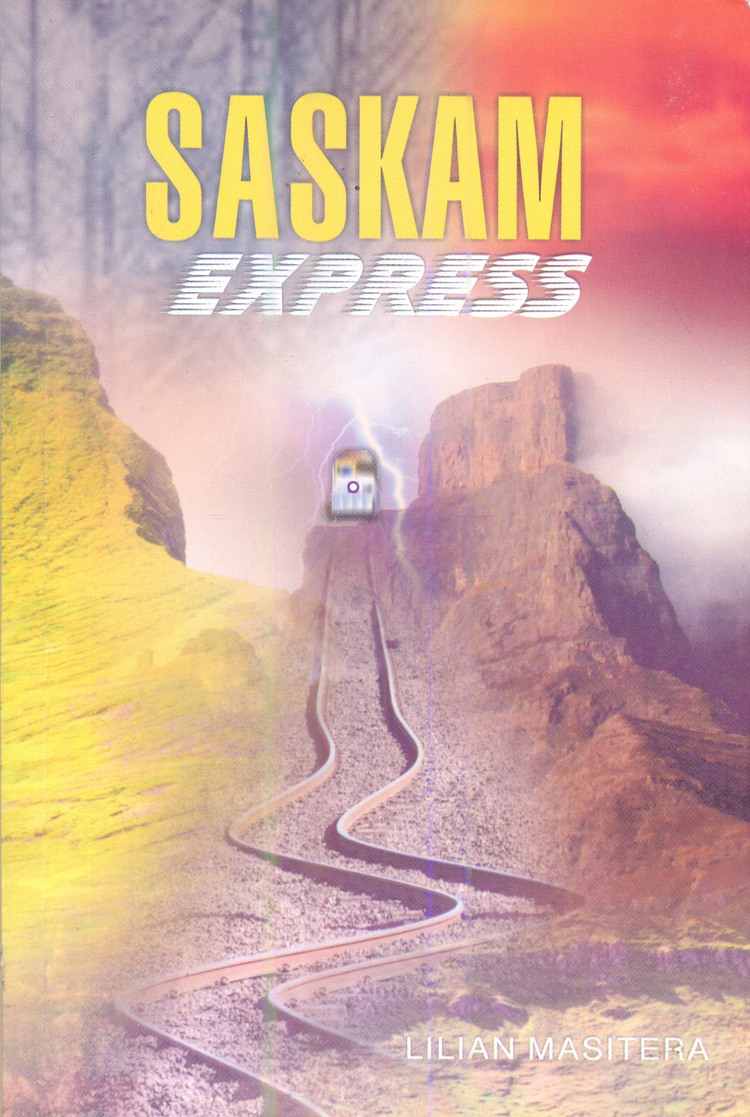
Lilian Masitera has consistently churned out engaging reads. Thus, when I opened the first page of “Saskam Express”, I expected nothing short of brilliance.
I was not disappointed.
The novel paints graphic images of the situation that engulfs some members of a society when Zimbabwe transitioned from using the local currency to a multiple currency system in early 2009.
While this period came as a blessing to the economy as many things started improving and inflation was stable, there are people who were left in chaotic situations.
The protagonist, Liana Shana, is about to face a new battle with a financial situation that is in the negative.
Having gone on early retirement, accessing her terminal benefits is a struggle as her bank keeps telling her that nothing has been deposited in her account.
Without a job and no other source of income, the dream of living a comfortable life off her benefits is slowly vanishing.
Then there is the slick-talking Zirabadira, who prefers to be called Zira Zata.
After being dismissed from his job as a guide at an animal sanctuary, Zira uses his skills with the ladies as a way to survive. He is now a pimp, making a living from organising female companions for rich men.
He does not enjoy any of it.
The paths of the two cross when Zira offers Liana a lift home when she has failed to access her funds at the bank.
Masitera knows how to describe scenes and settings.
Liana’s character gives us a feel of the daily struggles experienced by public transport users, with the writer creating situations that are realistic.
From the language used by touts to encourage passengers to board their kombis, to the riff-raff nature of the drivers and conductors, Masitera brings out solid visuals in her text.
In one of the paragraphs, Liana needs change when she disembarks from a commuter omnibus but instead, the conductor gives her a dollar and asks her to split it with another passenger.
The comments that accompany that sum up the abuse many passengers have to contend with daily at the hands of kombi drivers and conductors.
“Get married. Share the dollar and everything else!” The conductor snaps as he hangs from the vehicle that is already moving away. And he has one parting shot as the kombi zooms off: “You want style, solitary man? Buy your own jalopy.”
From dealing with rude conductors to facing an ignorant human resources officer at her old workplace, Liana’s world seems to invite misery at every turn.
When finding a new job proves difficult, Liana becomes her own employer, teaching school children who need help with their studies.
There are many other characters in the book who blend well into the story.
One thing that comes out from “Saskam Express” is that no matter what life throws at you, accept the situation and move on with new purpose.
There is always hope for a better future.



 Online Reporter