


 admin
admin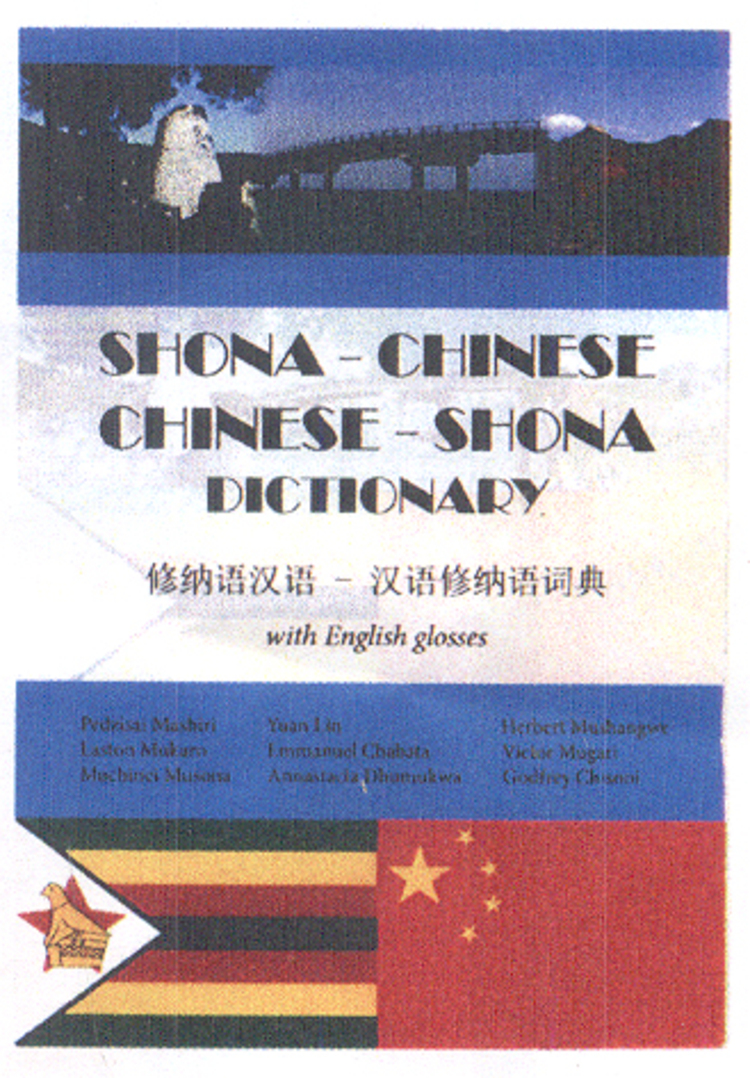
ZIMBABWE, home to several respectable learning institutions, has one of the highest literacy rates on the continent.
The University of Zimbabwe is the oldest and is still among the best universities in the country and beyond, churning out thousands of graduates every year.
Every student, apart from those using “miracle pens”, knows that the key to success is studying hard and this entails engulfing oneself in books. The UZ has been playing its part in cultivating the reading culture.
Recently, the university’s Faculty of Arts launched seven books that are meant to go a long way in educating students in various disciplines.
The books include “Sounds of Life: Music, Identity and Politics in Zimbabwe”, “Current Trends in Zimbabwean Linguistics”, “Abundant Life: Churches and Sexuality”, “Dialoguing Land and Indigenisation in Zimbabwe and Other Developing Countries: Emerging Perspectives”, Philosophy in African Traditions and Cultures”, “The University of Zimbabwe at Sixty — Historical Reflections”, and “The Shona — Chinese, Chinese — Shona Dictionary”.
Among these books, the Chinese — Shona dictionary caught my attention considering that the relationship between Zimbabwe and China has been strengthening over the years.
With this interaction between the two nations, it is important to simplify communication.
This dictionary will help in that regard. The dictionary is divided into two parts with the first being the Shona to Chinese section comprising of about 1 500 frequently used Shona main headwords.
The second section translates Chinese to Shona and it is composed of 1 250 frequently used Chinese words and these were selected from a list of intermediate Chinese vocabulary list known as HSK (Hanyu Shuiping Kaoshi) level 4, which is a Chinese proficiency test.
This dictionary was designed mainly for beginners and intermediate learners of both languages.
Another interesting book among those that were launched is “Dialoguing Land and Indigenisation in Zimbabwe and other Developing Countries: Emerging Perspectives”.
This publication contains a collection of academic chapters that discuss land and indigenisation issues using a multi-disciplinary approach, binding together a multiplicity of voices and disciplines with a view of enhancing collaborative research across disciplines.
The idea behind such an approach is grounded in the traditional African philosophy of oneness, which encourages a more holistic approach when dealing with issues of social justice, sustainable peace and social cohesion, especially on issues of land accessibility and its historical impact on sustainable livelihoods in Zimbabwe.
Recognising the far-reaching effects of the land redistribution and indigenisation processes in post-independence Zimbabwe, the chapters variously articulate, evaluate, critique and acknowledge the land developments in post-independence Africa.
With the university having attained 60 years of existence this year, they saw it fit to give scholars the opportunity to reflect on the journey that the institution has taken over the six decades and thus publish a book documenting the institution’s history, its contribution to the production of knowledge and the development of the country.
“The University of Zimbabwe at Sixty – Historical Reflections” is meant to refresh the memories of all the former students of UZ and also to challenge authorities to continue doing their best for the institution.
The book goes beyond simple reminiscences and celebratory stories of yesteryear glories of the university as it also tackles pertinent themes such as the politics of production knowledge, student activism, the role of the university in economic development, gender equality in higher education and internationalisation of higher education, among others.
I might have just given previews to only three of the launched books but that does not mean that those left out are less important.
All of the books will definitely play an important part in educating the students in Zimbabwe and beyond.



 Online Reporter